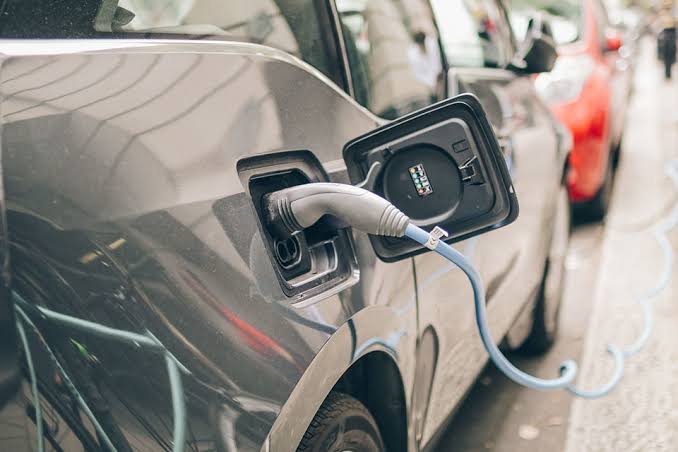

On a global scale, passenger electric vehicles shot up from 450,000 to 2.1 million in 2019. According to A BloombergNEF report, there was a brief slump in 2020, sending the figure down to 1.7 million.
By 2025, however, it is estimated that sales will reach 8.5 million as new markets open up and battery prices drop. The figure is projected to rise to 26 million by 2030, more than doubling to 54 million by 2040.
According to the report, by 2040, 50% of passenger vehicles will be powered by electricity. As of 2020, the global penetration rate stands at 2.7%. It is set to increase to 10% by 2025, further to 28% by 2030 and reach 58% by 2040.
The penetration rate in markets like China and Europe is much higher than the global average. However, it is dragged down by emerging markets where adoption is still limited.
China will continue accounting for the lion’s share of global EV sales, reaching 54% in 2025. But as adoption becomes more widespread, the share will drop to 49% in 2030 and further down to 33% by 2040.
Despite the impressive growth in electric vehicle sales, there is a risk that the market could become crowded. BloombergNEF estimates that there could be up to 500 models of EVs available globally by 2022.
During the year 2020, Toyota Motor North America (TMNA) posted sales of 2.11 million vehicles. Compared to its 2019 performance, it marked a decline of 11.3% in sales volume.
For the 21st consecutive year, it was the top manufacturer globally when it comes to alternative vehicle sales. These include all-electric, fuel cell and hybrid vehicles.
According to the research data analyzed and published by Sijoitusrahastot, in the hybrid vehicle segment, Toyota sold a total of 337,036 cars during the year, an increase of 22.7% year-over-year (YoY). Compared to the total sales volume, hybrid sales accounted for a 16% share.
With the inclusion of the new Venza, Mirai and Sienna models, the company now has a total of 14 alternative vehicles on its lineup.
Though hybrids have been around for about two decades, they are experiencing a gradual resurgence. Toyota is not the only automaker keen on capitalizing on the trend.