
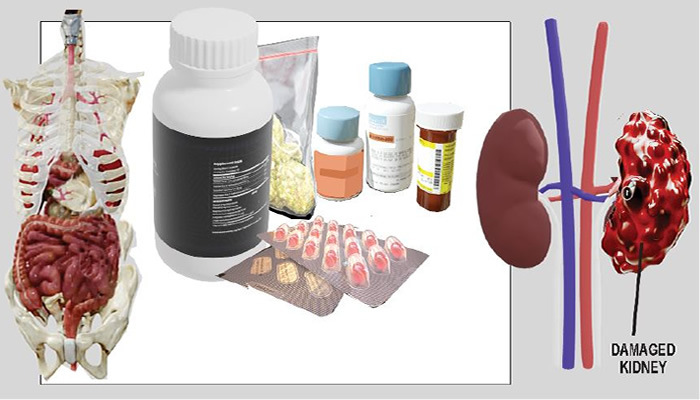

Dietary supplements, while intended to enhance health, can lead to kidney damage when consumed excessively. These supplements, including vitamins, minerals, and various ingredients, are not substitutes for a balanced diet crucial for overall well-being.
Experts emphasize that supplements, unless approved by regulatory authorities for specific health claims, are not meant to cure diseases. Recent studies, however, reveal a concerning link between uncontrolled supplement intake and chronic kidney diseases (CKD).
CKD, affecting 10-15% of the global population, has seen a surge in recent years, compounded by hypertension and diabetes epidemics. With no targeted drugs for CKD, attention is shifting to nutrition’s impact on kidney health.
While certain diets are being explored for their potential in CKD management, the widespread use of dietary supplements raises concerns. The global market for these supplements reached nearly $121 billion USD in 2018.
Unfortunately, the accessibility of supplements without prescription, especially in places like Nigeria, where they are deemed fashionable, contributes to their increasing use. However, experts warn that supplements should only be taken under professional guidance, not as substitutes for nutrients derived from actual food.
Studies suggest a potential connection between excessive supplement intake and kidney damage, particularly in individuals with pre-existing conditions like CKD. Some vitamins and minerals, when taken in excess, can build up in the body and harm the kidneys.
Notably, Vitamin C, often thought to be harmless, may contribute to oxalate buildup, leading to pain and other complications. A call is made for caution, emphasizing that medical advice should precede any new supplement regimen.
Experts stress that CKD alters nutrient needs, and certain medications can affect how the body utilizes vitamins and minerals. As the prevalence of dietary supplement use rises, it becomes crucial for individuals to consult healthcare professionals before starting any supplement regimen, especially if they have kidney-related concerns.
Furthermore, concerns are raised about the over-the-counter availability of supplements and the need for regulatory bodies like NAFDAC to reassess their accessibility.
In conclusion, while nutrients are essential for bodily functions, excessive reliance on dietary supplements, without professional guidance, poses a risk to kidney health. Individuals are urged to prioritize a balanced diet, seek medical advice, and exercise caution when considering supplement usage.