
By Israel Adamu, Jos
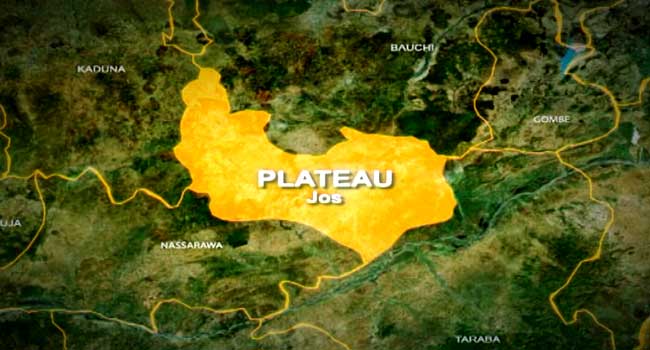
Livestock farmers across Plateau State have undergone a three-day intensive training on improved pasture development aimed at boosting productivity and strengthening the livestock value chain. The programme, organised by Palm Frontiers Ltd in partnership with the Plateau State Livestock Productivity and Resilience Support (L-PRES) project, focused on equipping farmers with modern, climate-smart techniques essential for sustainable livestock production.Representing Palm Frontiers, Dr. David Albert said the training was designed to close persistent knowledge gaps that have slowed agricultural development across Africa. He noted that despite the continent’s vast land resources and favourable climate, productivity remains low due to limited technical expertise.Albert emphasized that quality feed is the backbone of modern livestock production, adding that pasture development must be treated as a viable enterprise capable of increasing yields and improving household income. The sessions covered how to cultivate high-quality forage, select suitable pasture varieties, enhance soil fertility, and adopt low-cost fertiliser options at a time of rising input prices.A total of 54 farmers and 27 members of the Project Implementation Unit participated in the training.
Animal Husbandry Officer with L-PRES, Emmanuel Nandokol, described feed scarcity as a major constraint affecting Nigeria’s livestock industry. He said the programme encouraged farmers to see pasture not just as a subsistence activity but as a profitable business that aligns with Plateau State’s broader livestock development objectives.Associate Professor **Hosea Finangwai**, a livestock specialist, highlighted the significant economic opportunities embedded in pasture development.
He stressed that developing reliable pasture sources could help reduce recurring conflicts between farmers and herders by ensuring greater feed availability.Delivering a paper on global models for profitable pasture enterprises, Finangwai addressed misconceptions surrounding the National Livestock Transformation Programme (NLTP) in Wase. He explained that although the project faced initial resistance, it was not a failure, noting that the wider acceptance of modern livestock practices today has paved the way for expanded training initiatives under L-PRES.Citing research trials that successfully cultivated alfalfa and other forage varieties in Plateau State, Finangwai encouraged farmers to form cooperatives to access funding, machinery, and improved seeds. He noted that the State’s temperate climate gives it a comparative advantage for pasture cultivation.