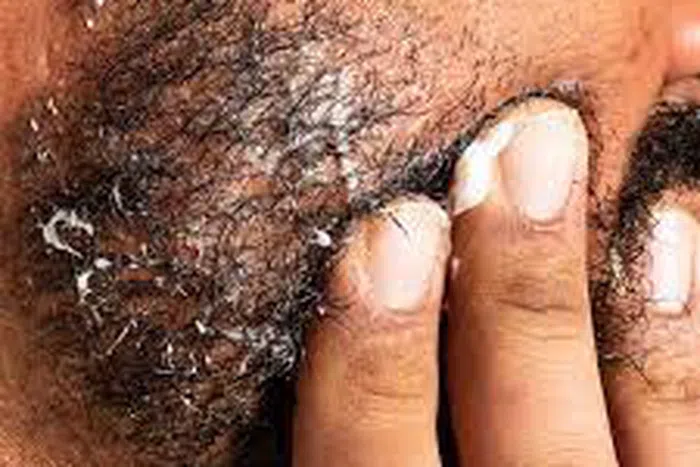

Beard dandruff is a common but often overlooked condition that can cause itching, discomfort and visible flakes beneath facial hair. While it is usually harmless, it may sometimes point to an underlying skin problem. Understanding its causes and how to treat it effectively can help restore comfort and confidence.
Just like dandruff on the scalp, beard dandruff occurs when the skin under the hair becomes dry, irritated or inflamed. The result is flaking, redness and persistent itching that many men mistakenly ignore or treat incorrectly.
What Causes Beard Dandruff?
Several factors can contribute to dandruff in the beard area:
Dry skin:
This is the most common cause. Cold weather, frequent washing, or the use of harsh soaps can strip the skin of natural oils, leading to dryness and flaking.
Seborrheic dermatitis:
A more serious skin condition that affects oily areas of the body, including the scalp and beard. It is linked to excessive oil production and the overgrowth of a yeast called Malassezia, causing greasy patches and yellowish flakes.
Poor hygiene:
Infrequent or improper cleansing allows sweat, dead skin cells and oil to build up, leading to irritation and dandruff.
Fungal infections:
The warm, moist environment under a beard can promote fungal growth, resulting in redness, itching and flakes.
Allergic reactions:
Some people react to beard oils, balms, shampoos or skincare products, triggering irritation and dandruff.
Signs of Seborrheic Dermatitis
Beard dandruff may be linked to seborrheic dermatitis if you notice persistent itching, redness, greasy skin patches, or white or yellow scales. Medical attention is advised if symptoms interfere with daily life, appear infected, or do not respond to home remedies or over-the-counter treatments.
How to Treat Beard Dandruff
Managing beard dandruff involves addressing its cause and adopting a consistent care routine.
Moisturise the skin beneath the beard:
Use beard oils or balms designed to hydrate both hair and skin. Ingredients like jojoba oil, argan oil and vitamin E help soothe dryness.
Wash your beard properly:
Clean regularly with a mild, sulfate-free beard shampoo that won’t strip natural oils. Products containing tea tree oil or aloe vera can help reduce irritation.
Exfoliate gently:
Occasional exfoliation removes dead skin cells and prevents buildup. Use a soft-bristle brush or gentle scrub to stimulate circulation.
Use antifungal treatments when needed:
If seborrheic dermatitis is suspected, over-the-counter antifungal shampoos or creams containing ketoconazole can help control yeast growth.
Improve indoor humidity:
Dry air can worsen skin flaking. Using a humidifier, especially during dry seasons, can help maintain skin moisture.
Maintain a skin-friendly diet:
Eating foods rich in omega-3 fatty acids, vitamins A and E, and antioxidants supports skin health. Limiting sugary and processed foods may also reduce flare-ups.
If beard dandruff persists or worsens despite treatment, consulting a dermatologist is recommended. A specialist can identify underlying conditions and prescribe appropriate medication if necessary.
Although beard dandruff is common, it is highly manageable. With the right care routine and timely treatment, maintaining a healthy, flake-free beard is entirely achievable.