
Nigerian civil servant and mother of four Grace Ekang has been having chest pains lately, and when she sneezes, black stains appear on her handkerchief.
Inside her house in the Rivers state city of Port Harcourt, Ekang has noticed that the black soot gathering on her floor is getting heavier. She and other residents blame this on illegal, makeshift oil refineries scattered across the Niger Delta.
Local authorities have started a crackdown to try put a stop to illegal refining of stolen crude, a process known locally as “Kpo Fire”, which officials say is worsening air pollution in the Delta and causing respiratory problems for some residents.
“I realised that we have chest pains, headaches and if we sneeze it is worse because if you do it on a white handkerchief what comes out is black,” said Ekang as she mopped the floor of her living room.
“If we leave white clothes out there we come back to see them with black spots all over.”
Samuel Nwanosike, chairman of Ikwerre local government area in Port Harcourt said 128 of 142 illegal refining sites identified by authorities in the area had been destroyed since the crackdown started in January.
“We (will) continue to destroy until all illegal refining sites in our communities are destroyed completely,” he said during a raid of some illegal sites in Port Harcourt.
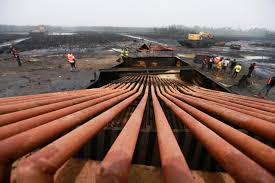
High unemployment in the Niger Delta has made illegal crude refining an attractive business. It involves illegal tapping of crude from a maze of pipelines owned by oil majors and burning it at high temperature in makeshift tanks.
The hazardous process adds another layer of pollution in a region that has endured oil spills for decades and destroyed farmlands, creeks and lagoons.
Only last week, an oil vessel storing up to 60,000 barrels of crude exploded offshore in Nigeria, spilling more oil.
Several people involved in illegally refining oil declined to comment fearing arrest by security agents.
Some environmental groups are pushing the government to fund small refineries, which are cheaper and simple to run, hoping to create jobs and ending illegal refining of oil.