
By Milcah Tanimu
Northern Nigeria, with its expansive landscapes and resilient people, holds immense promise. My travels through Kano, Kaduna, Gombe, Borno, Adamawa, and Yobe revealed a region rich in both natural resources and cultural heritage. The dramatic seasonal changes and the warmth of the local communities painted a picture of potential waiting to be harnessed. Yet, a deeply entrenched practice— the Almajiri system—continues to overshadow this potential.
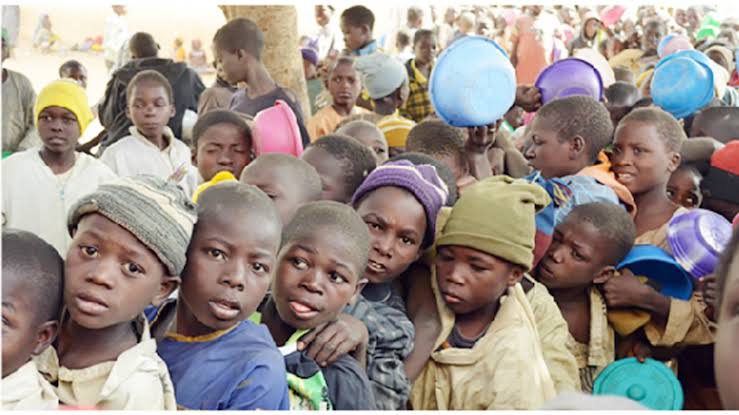
The Almajiri system, a traditional educational approach where young boys are sent to religious schools to learn while begging for survival, is a significant barrier to progress. These children, often found begging for food and living in harsh conditions, face a grim reality far removed from the opportunities afforded to the elite.
The disparity between the lives of the Almajiri children and those of the privileged elite is glaring. While the children of governors and influential figures enjoy education abroad and comfort, the Almajiri children are left to fend for themselves, deprived of the opportunities that could transform their lives.
This disparity is not just a moral issue but a developmental one. Northern Nigeria’s potential remains untapped due to this systemic problem. Despite having a large and youthful population, the region struggles with low human capital development. This untapped potential in education, sports, and other fields limits the region’s contributions to national and global progress.
If the Almajiri system were reformed, there could be a transformative impact on the region’s future. Imagine if these children were given access to modern skills like coding, digital marketing, or sports training. The North could become a major player in Nigeria’s economic and political landscape, much like China did by investing in the education of its people in the 1980s. Today, China stands as a global economic powerhouse, a testament to the benefits of investing in human capital.
Yet, resistance to reform persists among certain influential figures who benefit from maintaining the status quo. This reluctance to address the plight of Almajiri children underscores the systemic nature of the issue. Reforming the system would require not just a change in policy but a shift in mindset, acknowledging that the true potential of Northern Nigeria lies in empowering all its people.
By addressing the Almajiri system, Northern Nigeria could unlock its vast potential and set a new course for development. Likewise, a broader investment in all Nigerian citizens, rather than just the elite, could position Nigeria as a leader in various fields. The path to progress is clear: reform the system, invest in human capital, and build a future where every individual has the opportunity to thrive.