
By Amgbare Ekaunkumo, Yenagoa
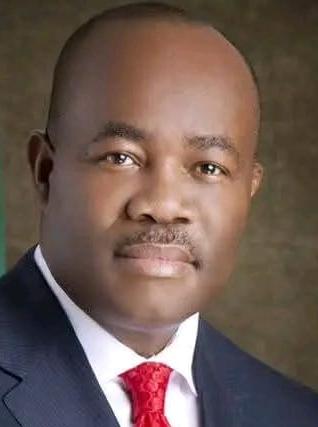
The Managing Director of Bunorr Integrated Energy Limited, Mr. Modestus Ikechukwu Okeke, has called on the Federal Government to enact a national law mandating the proper collection and recycling of used engine oil in Nigeria. He made the appeal on Tuesday during a facility tour and capacity-building programme for South-South journalists organised by the Nigerian Content Development and Monitoring Board (NCDMB) at the company’s plant in Omagwa, Rivers State.Mr. Okeke said used engine oil should be recognised as a valuable industrial resource rather than waste, noting that the absence of regulation has resulted in widespread dumping into drains, soil and waterways. Such practices, he warned, pose serious environmental and public health risks.He explained that a national framework would compel individuals, mechanics and industries to hand over used oil only to licensed collectors and recycling companies.
“If such a law is passed, it will end indiscriminate disposal and convert what many regard as waste into a national asset,” he said.The Bunorr MD stated that the lack of an organised collection system has made it difficult for the company to obtain sufficient quantities of used oil, a challenge that limits production capacity. A regulated supply chain, he added, would ensure steady raw material availability and significantly reduce pollution associated with illegal dumping.Mr. Okeke also urged the Rivers State Government to connect the Omagwa industrial cluster to the national grid. He said Bunorr currently relies entirely on diesel generators, which increases operational costs and affects profitability. Reliable grid power, according to him, would lower production expenses and enable the company to produce more high-quality base oil and lubricants for the domestic market.
He further announced that Bunorr is open to long-term partnerships with mechanic workshops, transport firms, industrial plants and individuals who can supply used engine oil on a consistent basis. The company, he said, is prepared to offer competitive pricing and collection logistics once stable volumes are guaranteed.Highlighting the company’s recent progress, Mr. Okeke reported that Bunorr recorded a strong financial turnaround in November 2025, achieving a surplus that confirmed the commercial viability of its recycling operations. He attributed part of this success to the strategic support provided by the NCDMB, which he said has strengthened the firm’s governance structures, safety protocols and technological capacity through the adoption of advanced automation systems such as SCADA and digital monitoring tools.
Bunorr currently employs 37 Nigerians—16 technical staff and 21 support personnel—and plans to expand its workforce as operations scale up. Mr. Okeke identified additional national benefits of proper used oil recycling, including reducing Nigeria’s dependence on imported base oil, promoting a circular economy, fostering local technical talent and strengthening community relations.Looking ahead, he said the company is developing an ambitious 2026 roadmap that will focus on nationwide feedstock sourcing, improved base oil quality, enhanced automation and safety systems, stronger working capital and phased capacity expansion.
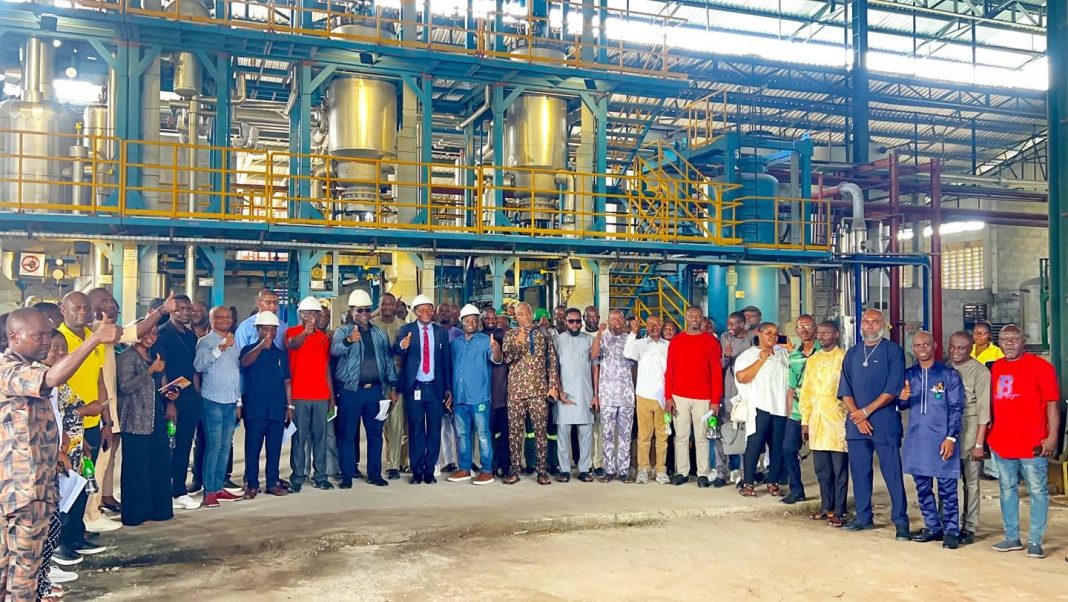
Representing NCDMB’s General Manager of Corporate Communications, Dr. Obinna Ezeobi, the Board’s Supervisor of Government Relations, Mr. Teddy Bai, commended Bunorr for producing Nigeria’s first wholly indigenous high-grade base oil. He described the company as a model for local content success in the downstream sector and reaffirmed the Board’s commitment to supporting its continued growth.The NCDMB-led tour also gave journalists an opportunity to inspect Bunorr’s modern recycling plant, laboratory and blending facilities, which many participants praised as a benchmark for environmental sustainability in Nigeria.