
By Jabiru Hassan
The Centre for Anti-Corruption and Open Leadership (CACOL) and the Committee for the Defence of Human Rights (CDHR) have reaffirmed their commitment to promoting transparency, accountability, and good governance in Nigeria, describing their partnership as central to sustained civic advocacy across all tiers of government.The twin civil society organisations, operating as non-governmental organisations (NGOs), have continued to engage public institutions through policy memoranda, public statements, and advocacy campaigns aimed at strengthening democratic governance. Under the leadership of veteran activist Mr. Debo Adeniran, both groups say they remain resolute in pushing reforms that align with national development and citizens’ welfare.
As 2025 draws to a close, CACOL and CDHR have highlighted a series of interventions and engagements undertaken during the year to reinforce transparency in governance and promote respect for human rights. In January 2025, both organisations jointly organised a public forum on the “State of the Nation,” where participants reviewed achievements of the current administration in infrastructure development, economic diversification, and security improvements. The forum also examined persistent challenges, including insecurity, economic hardship, healthcare delivery, education gaps, environmental degradation, corruption, rising tariffs, media freedom, and proposed tax reforms.The event further addressed issues in the political and aviation sectors, culminating in policy recommendations and calls for action directed at relevant authorities. According to the organisers, the approach reflected their preference for constructive engagement through peaceful and institutional channels.
In February, CDHR publicly opposed the alleged tenure elongation of the Inspector-General of Police, Kayode Egbetokun, calling for strict adherence to constitutional provisions and due process. The organisation described its stance as part of its broader advocacy for rule of law and institutional integrity.
Other notable actions by CACOL and CDHR during the year included criticism of the Economic and Financial Crimes Commission (EFCC) over its invitation of former Akwa Ibom State Governor Udom Emmanuel, condemnation of the suspension of Senator Natasha Akpoti-Uduaghan, and commendation of the federal government’s “Nigeria First” economic directive, which the groups described as a step toward strengthening domestic economic policies.The organisations also backed calls for a federal probe into the alleged $300 million Ogoni fund disbursement, wrote to the Speaker of the House of Representatives over the proposed bill on compulsory voting, and commended the federal government’s initiative on free education for technical colleges.
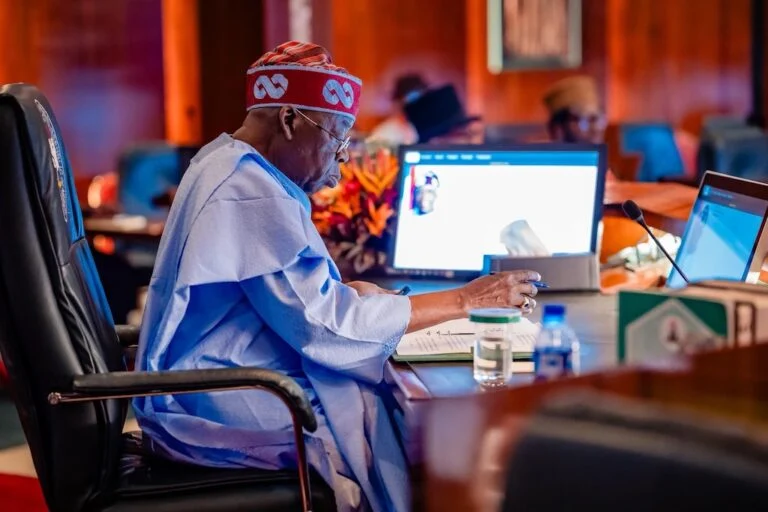
In June 2025, CACOL praised President Bola Ahmed Tinubu for honouring June 12 democracy heroes and welcomed discussions around the state pardon granted to the Ogoni Nine. The group also drew attention to concerns over anti-corruption compliance by several ministries, departments, and agencies (MDAs), while condemning the arrest and alleged mistreatment of activist Omoyele Sowore.
CDHR, on its part, consistently raised alarms over rising insecurity nationwide, releasing figures on casualties and issuing statements on corruption as a major impediment to Nigeria’s progress. The organisation also criticised controversies surrounding the academic credentials of Minister Uche Nnaji, calling for accountability.Both organisations participated in activities marking Human Rights Day, emphasising the theme of reclaiming shared human dignity and reiterating that human rights protections remain essential to everyday life. They said growing public engagement reflects increased confidence in CACOL and CDHR as watchdogs for transparency and good governance in Nigeria.