
China and Nigeria have restated their dedication to deepening media collaboration, strengthening cultural ties, and expanding technological partnerships as both countries look toward a new chapter in bilateral engagement.
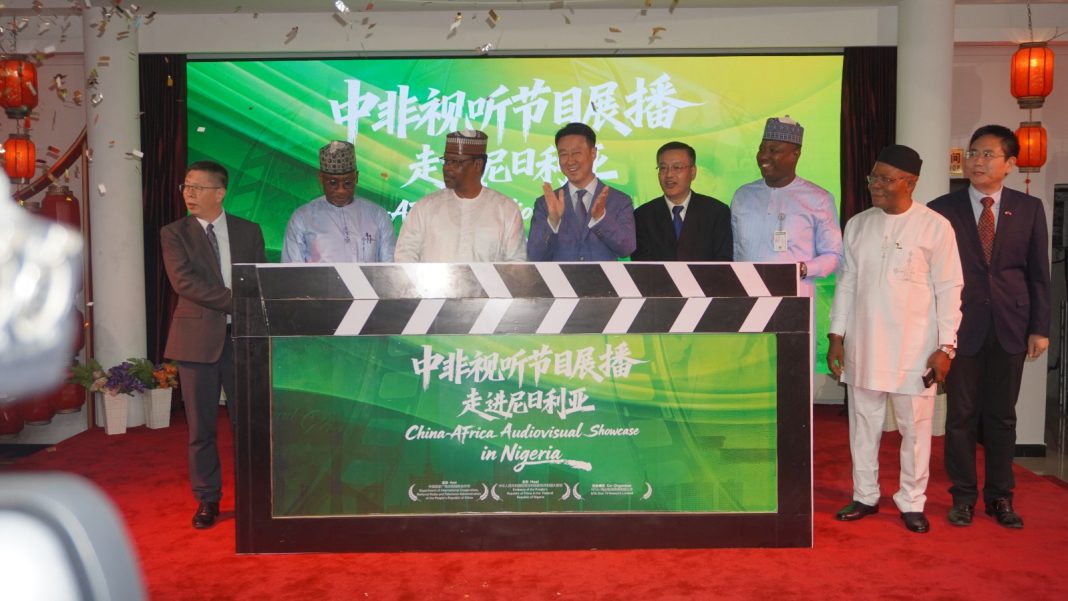
This resolve was reaffirmed on Monday at the launch of the 2025 China-Africa Audiovisual Showcase, held at the China Cultural Centre in Abuja.
The event was convened by the Department of International Cooperation of China’s National Radio and Television Administration (NRTA), the Chinese Embassy in Nigeria, and NTA-Star TV Network Limited, drawing senior government officials, media leaders, and cultural influencers.
Chinese Ambassador to Nigeria, Yu Dunhai, described the relationship between the two nations as a shining example of China-Africa cooperation. He noted that audiovisual collaboration has become a vital channel for nurturing people-to-people connections and strengthening cultural understanding.
With 2026 set to mark both the China-Africa Year of People-to-People Exchanges and the 55th anniversary of China-Nigeria diplomatic relations, the ambassador said cultural cooperation, especially through film, television, and digital media, will be central to future engagement.
He expressed China’s readiness to work more closely with Nigeria to boost two-way communication and present more accurate, multidimensional portrayals of China to Nigerian audiences. He also encouraged greater visibility for Nigerian content in China, emphasizing the value of showcasing African stories to Chinese viewers.
Shi Zhiyan, Director General of the Department of International Cooperation at China’s NRTA, outlined China’s strategic roadmap for strengthening radio and television collaboration with Nigeria. He described the Abuja showcase as a concrete step in implementing President Xi Jinping’s Radio and Television Innovation Cooperation Plan, unveiled at the 2024 FOCAC Summit.
Shi highlighted years of successful program exchange between both countries.
“Chinese productions such as Mountains and Seas and Happy Delivery have gained popularity in Nigeria, while Nigerian documentaries including Hello China and The Lagos-Ibadan Railway have been broadcast to Chinese audiences, helping bridge cultural gaps,” he said.
He proposed four priority areas for expanding cooperation including Strengthened policy dialogue on AI governance, audiovisual regulation, and media innovation; Broader content exchange, joint productions, and youth engagement in short-form media; Collaboration on technology development, including ultra-high-definition broadcasting and digitalization and
increased training opportunities for Nigerian media professionals through international forums and festivals.
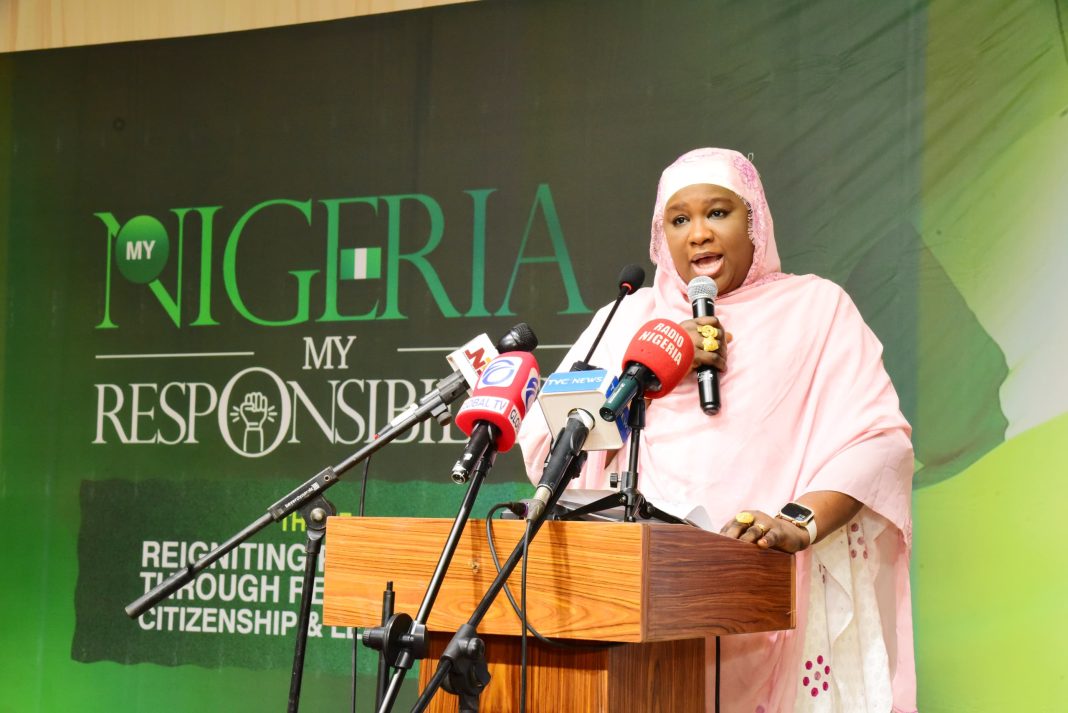
Nigeria’s Minister of Information and National Orientation, Mohammed Idris, commended the partnership and reaffirmed the government’s commitment to expanding global media cooperation.
He said Nigeria is working to enhance broadcasting capacity and digital readiness, positioning cultural diplomacy as a tool for national unity, economic advancement, and global influence.
The event also featured a documentary screening, cultural and musical displays, and the official unveiling of the China-Africa Audiovisual Showcase in Nigeria.