By Liu Yi, Sun Xiuyan, People’s Daily
As climate change becomes an increasingly severer challenge over the recent years, countries are facing more arduous tasks to maintain sustainable development.
China made a solemn promise to peak carbon dioxide emission by 2030 and achieve carbon neutrality by 2060. At present, the country is taking more forceful measures and policies to ensure that the goal, which benefits the whole mankind, can be met.
The next five years is a critical period for the carbon neutrality task. According to China’s Outline of the 14th Five-Year Plan (2021-2025) for National Economic and Social Development and the Long-Range Objectives Through the Year 2035, the country plans to reduce energy consumption per unit of GDP and carbon dioxide emissions per unit of GDP by 13.5 percent and 18 percent, respectively, and will make overall arrangements to actively respond to climate change.
This year marks the first year of the 14th Five-Year Plan, and efforts are being made across the country to advance green development.
South China’s Guangdong province proposed to improve a dual control system of total energy consumption and energy intensity, and promote the peaking of carbon dioxide emission by regions and industries. Beijing has rolled out a clear timetable and roadmap for carbon neutrality, and will restructure its energy consumption and advance energy conservation in key areas such as transport and construction. East China’s Zhejiang province urged that the proportion of non-fossil energy in total primary energy consumption must be raised to 20.8 percent, and the ratio of installed capacity of coal-fired plants shall be reduced by 2 percentage points.
Enterprises are major players in energy conservation and reduction of carbon dioxide emission.
Xinjiang Bayi Iron & Steel Company of China Baowu Steel Group is now working on a project of hydrogen-rich blast furnace. The project, replacing coal with hydrogen, can not only improve the efficiency of smelting furnaces, but also reduce carbon dioxide emission by 30 percent.
State Power Investment Corporation Limited, China Three Gorges Corporation and other energy enterprises of China recently raised their own goals to peak carbon dioxide emission. To peak carbon dioxide emission and achieve carbon neutrality as early as possible is becoming a consensus of and put into practices by more and more enterprises.
“In recent years, China has been committed to a green and low-carbon path of high-quality development featuring ecological conservation, which has laid a solid foundation for the country to reach its goal of peaking carbon dioxide emission and achieving carbon neutrality,” said He Jiankun, deputy-president of National Expert Committee on Climate Change.
“From incandescent light bulbs to energy saving lamps, and to today’s LED bulbs, it’s becoming more and more environmentally friendly,” said Tan Xiaojun, a resident of Pingdu, east China’s Shandong Province, when buying lamps at a store.
Ten years ago, the National Development and Reform Commission, together with four other departments and ministries released a roadmap to phase out incandescent light bulbs, after which the electric light gradually faded out. This helped China save 48 billion kilowatt hours of electricity every year, which is equivalent to reducing 48 million tonnes of carbon dioxide emission.
Meanwhile, China has also been subsidizing energy friendly home appliances and new energy vehicles (NEV) in recent years, which not only drives green consumption, but also guides the green and low-carbon development of relevant industries. Last year, over 1.3 million NEVs were sold across China, up more than 10 percent from a year ago.
China has completed its 2020 targets of carbon emission reduction ahead of schedule. The 13th Five-Year Plan (2016-2020) required the country to cut energy consumption per unit of GDP by 17 percent, while the final result stood at 18.8 percent. During the last five years, China ranked the first in the world in multiple indexes, such as the installed capacity of hydropower, wind power, photovoltaic power and nuclear power under construction. As of the end of 2020, the total installed capacity of clean energy had hit 1.08 billion kilowatts, surpassing that of coal power for the first time and accounting for 49.2 percent of the country’s total installed capacity.
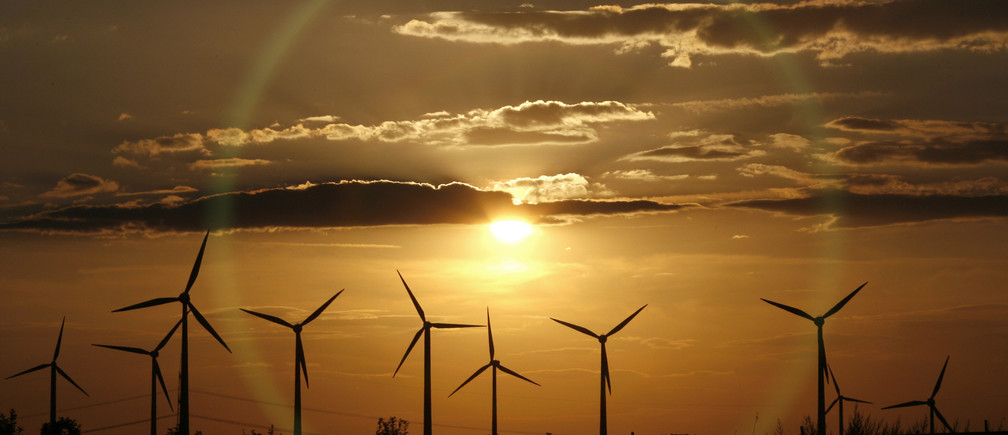
China speeds up construction of clean, low-carbon society
Hot this week
Topics
- Agriculture
- Arts
- BBNaija Updates
- Book Review
- Business
- Business and Economy
- China
- Columnists
- Coronavirus
- Crime
- Culture
- Dating
- Defence/Security
- Economy
- Editorial
- Education
- Encounter
- Energy
- Entertainment
- Environment
- Fashion
- Fashion & Style
- Featured
- Features
- Foreign News
- Headlines
- Health
- House of Representatives
- Inspiration
- Interview
- Judiciary
- Lifestyle
- Magazine
- Metro
- Money
- News
- Nigerian Newspapers
- Opinion
- parliamentary
- Personality
- Poetry
- Politics
- Press Release
- Press Statement
- Red Dragon
- Relationship
- Religion
- Science and Technology
- security
- Skincare
- Sports
- Style
- Tech
- Today's football matches
- Travel
- Weather
More
Related Articles
Popular Categories


Previous article
Next article