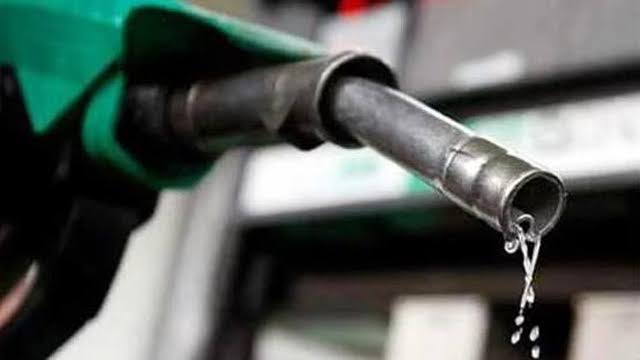

Oil Marketers in Nigeria have criticised Nigeria’s National Petroleum Company Limited’s import monopoly, claiming that the situation has hurt the petrol market.
The General Manager, Operations, TotalEnergies Marketing Nigeria Limited, Abdulmutalib Rabiu, called for an end to NNPCL’s petrol import monopoly during his presentation at a virtual press workshop themed, ‘Deregulation: Understanding the Downstream Supply Chain’ held in Lagos on Monday
Rabiu who was represented by an independent consultant and former Group Executive Director, NNPC, Bello Rabiu, TotalEnergies general manager said the Federal Government should allow healthy competition by granting licenses and access to foreign exchange to marketers willing to get into the products importation business.
He noted, “But so long as NNPCL remains the sole importer of products importation, the amount spent on importation should be published for everyone to see because it is public fund that the company is using to bring in the products”.
Chairman, Major Oil Marketers Association of Nigeria, Olumide Adeosun, said there were about 2.5bn litres of petroleum products onshore Lagos waters.
According to him, although the association was sure that there was sufficient products in-country, the only challenge was lack of investment in infrastructure to guarantee fast and smooth distribution of the products to eradicate the scarcity.
“As you can see, as of November, statistics showed that there was enough products onshore Lagos. However, tight daughter vessel availability is hampering efforts to discharge offshore Lagos, contributing to logistics constraints that have seen shortages spring up across the country.
“The dialogue with the Nigerian people needs to begin to identify, negotiate and agree these areas and begin implementation to save the downstream industry, which has been in freefall due to a lack of investment to maintain, renew and grow assets and facilities such as refineries, pipelines, depots, trucks, and modern filling stations.”
Secretary and Chief Executive Officer, MOMAN, Clement Usong, while rounding off the session, said full deregulation of the petroleum downstream sector should be implemented in phases to cushion the effects of the sharp rise in Premium Motor Spirit prices.
“Having subsidised PMS for so long, Nigerian institutions now have a diminished capacity to deal with the current local energy crisis. A disruption in any part of the supply chain causes ripple effects and results in queues at stations. As a country, we must begin the process of price deregulation to reduce this inefficient subsidy,” he said.