
By Abu Jemimah Lami
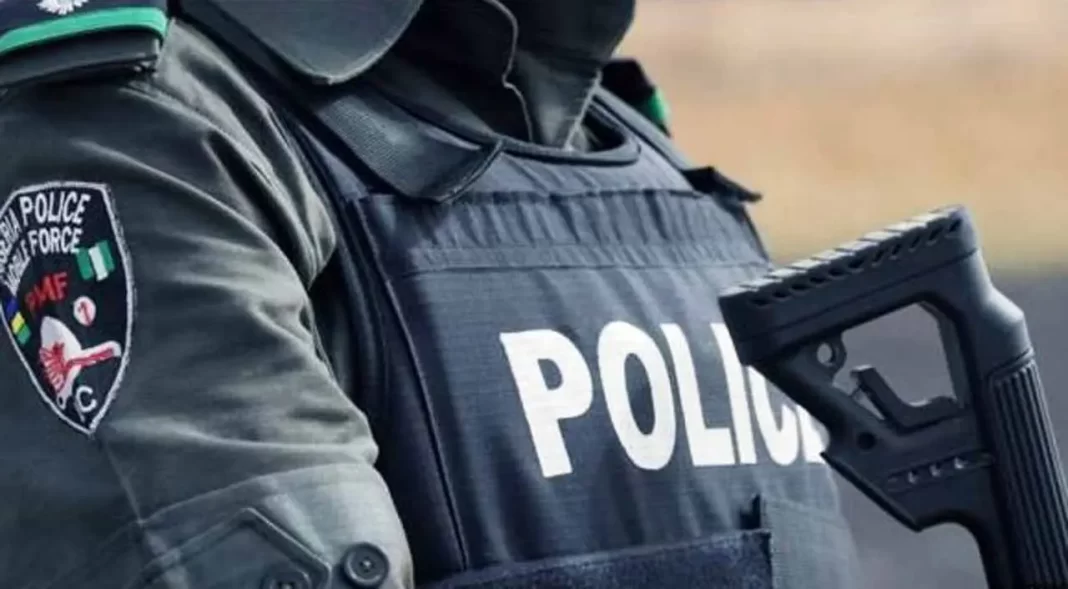
President Bola Tinubu’s directive ordering the withdrawal of police officers from VIP protection has triggered a major shift in Nigeria’s security landscape. For many years, large numbers of police officers have been assigned to guard politicians, wealthy individuals and public officials. Estimates suggest that more than 100,000 officers, roughly one quarter of the entire police workforce, have been tied down in VIP protection instead of community policing. With a national police strength of about 370,000 officers serving more than 230 million people, this diversion of manpower has contributed to widespread under-policing across the country.
By pulling officers away from VIP details and redeploying them to frontline duties, the government hopes to boost patrols, investigations and rapid response capacities in communities affected by banditry, kidnapping and violent crime. But the move has created an immediate vacuum in the private protection market. Many VIPs, corporates and state institutions are already turning to the Nigeria Security and Civil Defence Corps or contracting private security companies to fill the gap. Some high profile individuals have also quietly resisted the directive by trying to retain their police guards through personal arrangements.This vacuum has opened the door to a booming private security industry. Nigeria has more than 1,300 licensed private guard companies, and estimates indicate that over one million people work as private security guards across the country. In fact, private guards are believed to outnumber the police by at least two to one when both licensed and unlicensed outfits are considered. This scale of private security activity means that any shift in policing duties will have national consequences.The growth of private security brings opportunities and risks. On the positive side, VIPs and businesses can deploy guards quickly through simple contractual agreements. Young people may also gain employment in a sector that continues to expand as public insecurity deepens. But the risks are equally significant. Private security companies often operate with limited oversight from the state. Standards for training, vetting, supervision, weapons licensing and use of force vary widely. Some companies maintain strong professional structures while others rely on minimally trained watchmen with no formal knowledge of conflict management or human rights.
Without clear regulations, private guards may end up performing duties that resemble policing. These include armed escort, neighbourhood patrols, crowd control and the use of force in high tension situations. When these activities occur without proper legal backing or accountability, they create room for abuses, escalation of violence and the erosion of public trust. The absence of standard complaint mechanisms also means ordinary citizens have limited avenues for redress when conflicts arise.
Capacity is another concern. Nigeria’s private security companies range from sophisticated firms with tactical training units to small operators who offer basic guarding services. Replacing police officers with private guards will only improve safety if the firms involved meet strong training and certification standards and are connected to emergency response systems. That requires investment in national training curricula, background checks, licensing reforms and effective communication channels between private firms and public security agencies.There is also a broader social and political dimension. The president’s directive aims to free up police officers so underserved communities can receive the protection they have long lacked. However, if wealthy individuals and influential groups simply turn to private security while ordinary citizens continue to rely on overstretched public policing, the gap in security access will widen. Protection may increasingly become a service only the rich can afford. This creates a tiered security system that fuels resentment and undermines public confidence in state institutions.Young people will feel these changes acutely. Many are the first victims of kidnapping, gang violence, drug-related crime and police non-responsiveness. Redeploying police to frontline duties could improve safety for schools, markets and neighbourhoods. At the same time the rise in private security may create new jobs for young Nigerians. But poorly regulated private security can also lead to increased profiling, misuse of force and deeper insecurity for youth in poorer communities.
For Nigeria to manage this transition safely, certain steps are essential. Policymakers must establish a clear legal framework outlining what private security guards can and cannot do. Licensing, training and inspection standards must be strengthened. Private guards should undergo medical and psychological screening, and all companies should be required to report incidents and maintain channels for civilian complaints. Private security personnel also need to be integrated into emergency response planning so that the protection of lives does not depend on fragmented and isolated systems. At the same time government must invest in community policing so that the public does not lose out as elites shift to private protection.The president’s decision to withdraw police from VIP protection is understandable in a time of escalating violence and overstretched police resources. Yet its success depends on what happens next. Without strong regulation and serious reinvestment in public policing, Nigeria risks strengthening a loosely controlled private security market while weakening the very public safety networks the reform was meant to fix. As insecurity continues to evolve, Nigerians need institutions that protect everyone fairly, not a system where security becomes a privilege for those who can pay the most.
Abu Jemimah Lami is a Graduate of History and International Studies from IBB University Lapai, She is currently a Corps Member Serving with the Institute for Peace and Conflict Resolution (IPCR), Abuja. She can be reached via: jemimahabu36@gmail.com