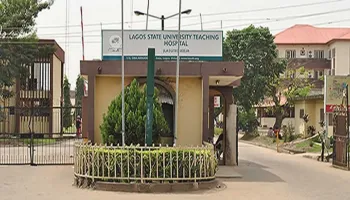

The Lagos State University Teaching Hospital (LASUTH) has told a coroner’s court that it could not identify a body believed to be that of late journalist Pelumi Onifade, citing the destruction of DNA samples during the #EndSARS protests in October 2020.
The explanation was contained in a report submitted to the court and referenced in a statement by Media Rights Agenda (MRA), which is participating in the inquest into Onifade’s death. Onifade, a journalist, died in October 2020 while covering protests in Lagos. A post-mortem examination was reportedly conducted on a body tagged 1385.
However, MRA’s lead counsel, Alimi Adamu, questioned LASUTH’s explanation, pointing to what he described as inconsistencies in the timeline. He said official records indicate the forensic centre was burnt on October 23, 2020—before Onifade’s death on October 24—while DNA samples from the family were collected afterward. Adamu told the court the discrepancy requires clarification, though he said he was not alleging wrongdoing. He added that the family was not informed that their samples had been lost or compromised.
The coroner noted LASUTH’s submission and ordered the Chief Medical Director of a Yaba facility, where the body was reportedly transferred, to provide a detailed report on its whereabouts and status within 14 days. The inquest, ordered by a Federal High Court, seeks to establish the cause of death and identify those responsible. Proceedings have been adjourned to April 28, 2026.