
The Federal Ministry of Works (FMoW) and the Federal Ministry of Communications, Innovation, and Digital Economy (FMoCIDE) have set up a Joint Standing Committee on the Protection of Fiber Optic Cables to address the frequent damage to fiber optic infrastructure caused by road construction and rehabilitation activities. These disruptions have significantly impacted telecommunications services across Nigeria.
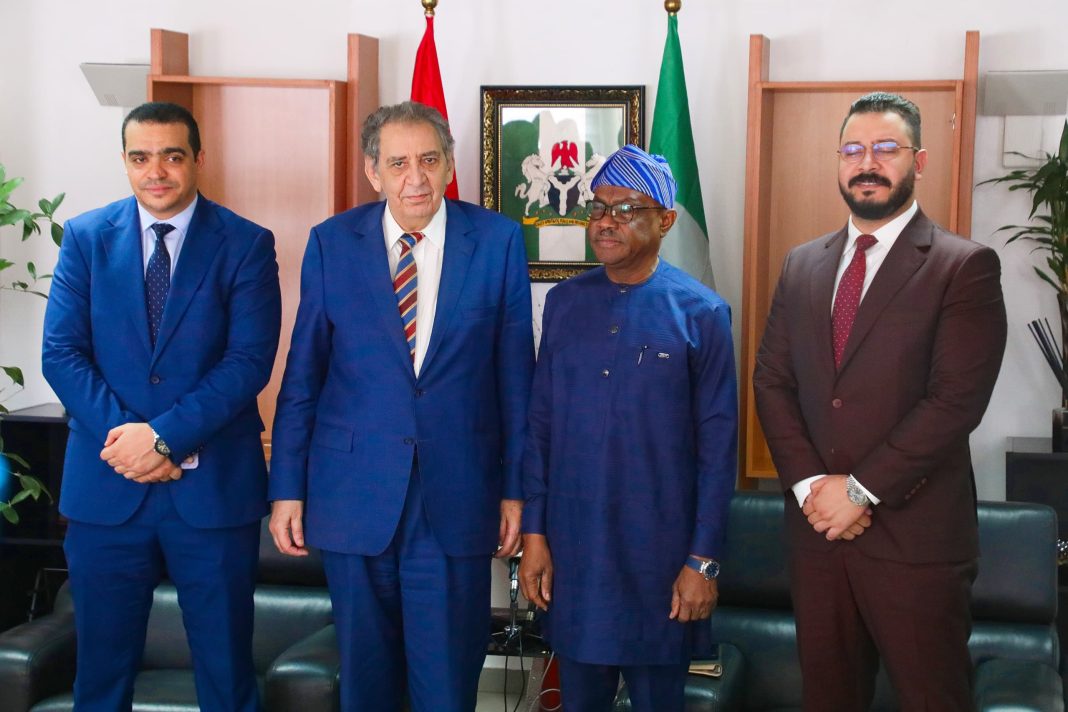
The committee was inaugurated on Tuesday, February 18, 2025, at the FMoW Boardroom by Engr. Olufunso Adebiyi, Permanent Secretary of FMoW, and Engr. Farouk Yusuf, Permanent Secretary of FMoCIDE. Also in attendance was Dr. Aminu Maida, Executive Vice Chairman/Chief Executive Officer of the Nigerian Communications Commission (NCC). The committee comprises key officials from the two ministries and the NCC.
Committee’s Mandate
The primary role of the Joint Standing Committee is to establish and maintain effective coordination and communication between the two ministries and the NCC to prevent and minimize damage to fiber optic cables during road construction and maintenance activities.
While inaugurating the committee, Engr. Adebiyi emphasized the need for clear modalities and preventive measures to mitigate fiber cuts caused by road projects and vandalism, both of which have led to severe service disruptions nationwide.
He stated that the committee will serve as a coordinating body for all matters related to fiber optic protection before, during, and after road construction. The committee will meet regularly to identify challenges, implement industry-wide solutions, establish standard procedures, and share monthly performance reports.
“They are also expected to develop an instant communication mechanism to ensure prompt information sharing among all stakeholders,” he added.
Going forward, the ministry will integrate fiber optic cable placement into the planning, design, and execution of national road infrastructure projects, including provisions for ducts during road construction.
Ensuring Protection During Project Execution
Engr. Adebiyi further noted that the committee will work closely with Federal Controllers of Works (FCWs) to prioritize the protection of fiber infrastructure during all stages of project execution. It will also align with telecom operators to ensure coordination on ongoing and future projects.
In his remarks, Engr. Farouk Yusuf underscored the importance of fiber optic networks to Nigeria’s economy, stating that they form the backbone of the country’s digital ecosystem. These networks enable seamless broadband services, supporting national connectivity, economic development, and technological advancement.
He highlighted the urgent need for proactive measures to prevent unnecessary disruptions to telecommunication services caused by construction activities.
Telecom Industry Impact
Speaking at the event, Dr. Aminu Maida, EVC/CEO of NCC, emphasized the critical role of the committee’s work in ensuring nationwide network stability.
“This is a pivotal moment for Nigeria’s telecom industry and its consumers. Fiber networks form the foundation of our broadband ecosystem, delivering the high-capacity backhaul required for ultra-fast 4G and 5G networks. These next-generation technologies depend on fiber infrastructure for low latency, high reliability, and seamless data transmission.
“Last year, over 50,000 fiber cuts were recorded nationwide, with approximately 30,000 attributed to road construction activities at federal and state levels. Some of these incidents led to major network outages, such as the February 2024 nationwide MTN outage.
“One major cause of these fiber cuts is the lack of an efficient coordination mechanism between road construction companies and fiber infrastructure operators.
“I am optimistic that the work of this committee will significantly reduce fiber cuts related to road construction. This will, in turn, minimize network outages, prevent unnecessary repair costs, and reduce the need for redundant network routes that serve as backup solutions during service disruptions.
“This initiative is not just for the telecom industry but for all Nigerians. Every fiber cut results in service disruptions for consumers. The industry is forced to invest in expensive redundancy measures, but by preventing avoidable damages, operators can redirect resources towards network expansion and infrastructure improvement,” Dr. Maida stated.
Signed:
Reuben Muoka
Director, Public Affairs
Monday, February 24, 2025