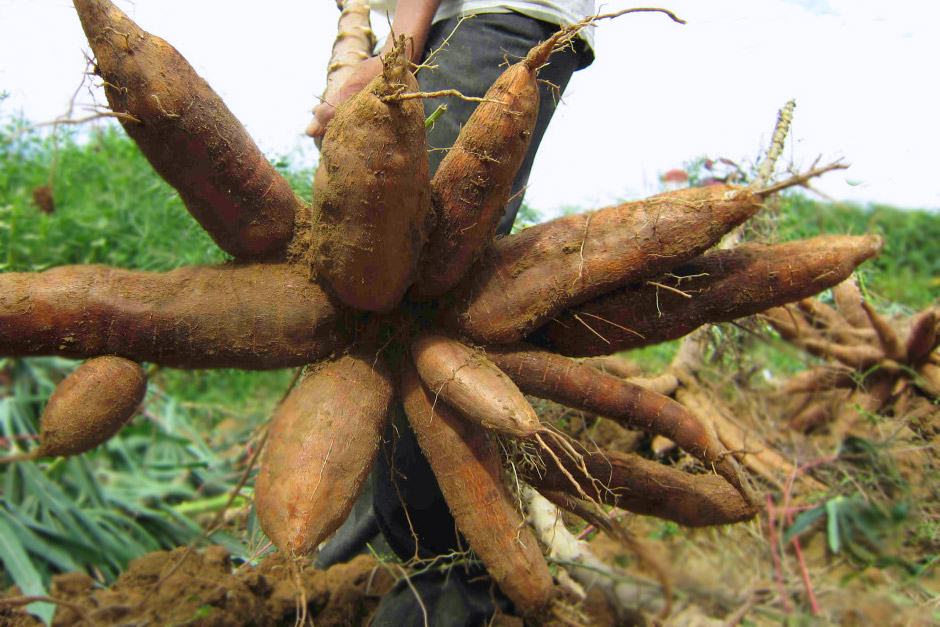

Dara Akala, executive director of Partnership Initiatives in the Niger Delta (PIND), says Nigeria has the economic potential to earn $2.98 billion (about N1.2 trillion ) in agricultural exports of cassava annually.
Akala said this on Thursday at the National Cassava Seed Summit in Abuja.
He said the country also has the economic potential to generate $427.3 million in revenue from domestic value-addition.
‘’Also, Nigeria has the economic potential to generate revenues of $427.3 million from domestic value-addition and earn an income of $2.98 billion in agricultural exports of cassava per annum,” Akala said.
“Furthermore, local value-addition to cassava via local manufacturing and processing could potentially unlock about $16 million in taxes to the government per annum.”
Speaking on how this feat can be achieved in the nation, he quoted a 2020 report of PwC, which estimates that Nigeria would require about 28.3 million metric tonnes of fresh cassava roots to be planted annually on about 1.2 million hectares of land to meet the country’s demand for some of the cassava by-products and derivatives.
According to him, PIND had invested about $800,000 to increase cassava productivity, strengthen coordination and relationships of cassava value chain actors, and promote improved technologies for cassava production in the Niger Delta region.
“This initiative has reached approximately 300,000 farmers with information and training and enhanced the creation of about 2,500 jobs and a network of 150 service providers,” he added.
He, however, displeasure over the poor delivery of roots by Nigerian farmers to the industry at the appropriate time, leading to the highest percent downtime, low productivity, gross under-utilization of turnkey processing machines and ultimately, a loss of capital.
On his part, Alfred Dixon, director at the International Institute of Tropical Agriculture (IITA), said Africa spends about $35 billion annually importing food.
This, he believes, is detrimental to the economic well-being of the continent.
“The danger is if we do nothing about this, food import would rise to $110 billion by 2025. If this happens, our trade and particularly exchange rates will be in jeopardy,” Dixon said.
“We will be exporting jobs and importing poverty.
“Unemployment will rise and raise the tempo of youth restiveness to a higher degree. The impact will be precarious on the food and nutrition security of the continent. It is timelier to double our efforts to arrest the situation.”