

By Joyce Remi-Babayeju
The World Health Organization (WHO ) quoting the latest Universal Health Coverage ( UHC) Report (2022) has warned that burden of out-of-pocket health spending is pushing over 348 million Africans into poverty.
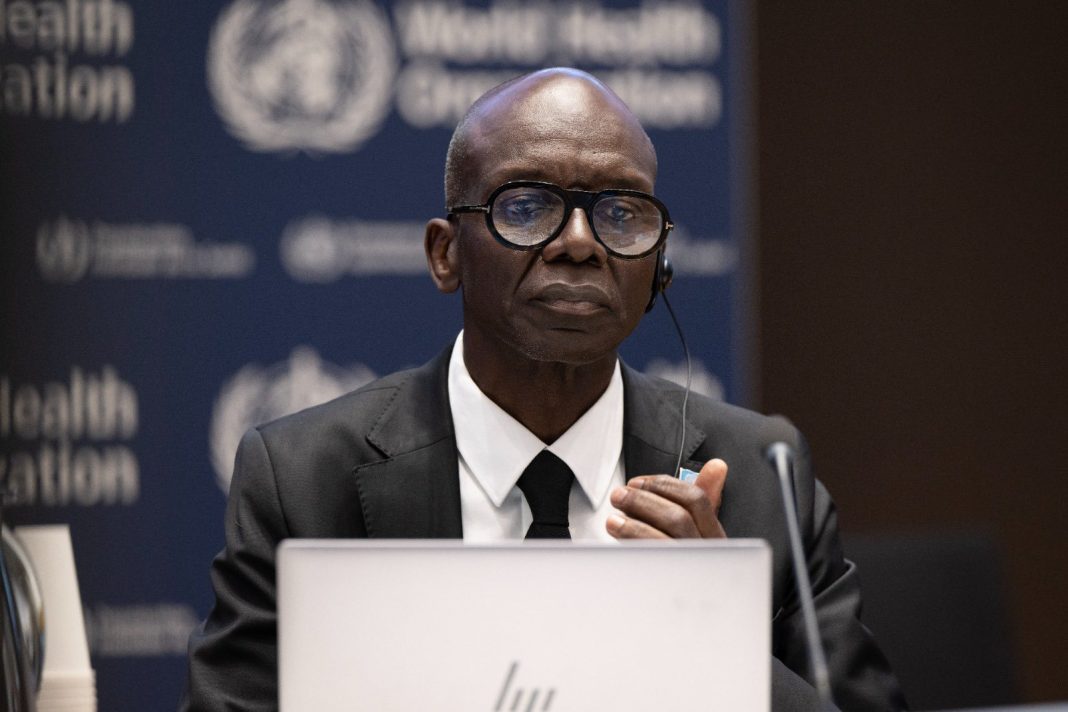
This was contained in a message from the WHO, Regional Director for Africa, Dr. Mohamed Janabi to mark the 2025 Universal Health Coverage, UHC Day in the region on Friday.
Highlighting the severity of out -of – pocket health spending by households, Dr. Janabi said, ” The latest global UHC report shows that in 2022, more than 423 million people in Africa faced financial hardship due to out-of-pocket health spending, with over 384 million pushed into, or further into poverty.”
He noted the UHC Day with the theme, Unaffordable health costs? We’re sick of it! We are reminded that health is not a privilege for the few. It is a fundamental human right that should be accessible to all.
He lamented that the cost of health spending by individuals and families puts up a barrier that “determines whether they seek treatment, delay it, or forgo it entirely.”
“Out-of-pocket payments still dominate health financing in much of our region. In 31 member states, they account for more than a quarter of all health expenditure; in 11 countries, more than half; and in two countries, more than 70%.”
“These financial pressures force families into impossible choices, between care and food, between medicines and school fees, and between dignity and survival.”
Africa accounts for over 20% of the world’s population facing financial hardship due to health costs and nearly a quarter of global health-driven poverty, WHO Regional Director revealed.
WHO expressed worry about the harsh reality of health spending that households in Africa face where households are selling assets, postponing care, or slipping deeper into vulnerability.
However, quoting the UHC Report ( 2025), Africa has recorded some level of progress between 2015- 2023.
“Between 2015 and 2022/23, the African Region improved across all components of the UHC Service Coverage Index: maternal and child health, infectious and noncommunicable diseases (NCDs), and service capacity and access.
Regrettably, WHO notes despite the progress high health costs continue to undermine efforts to reduce poverty, prevent disability, and increase survival, with women, children, older individuals and rural households bearing the greatest burden.
Dr. Janabi called on governments and every unit of countries to accelerate policies and reforms that make health affordable, leaving no one behind, with a priority of increasing domestic investment in health to reduce the burden from out-of-pocket spending.
End