

By Milcah Tanimu
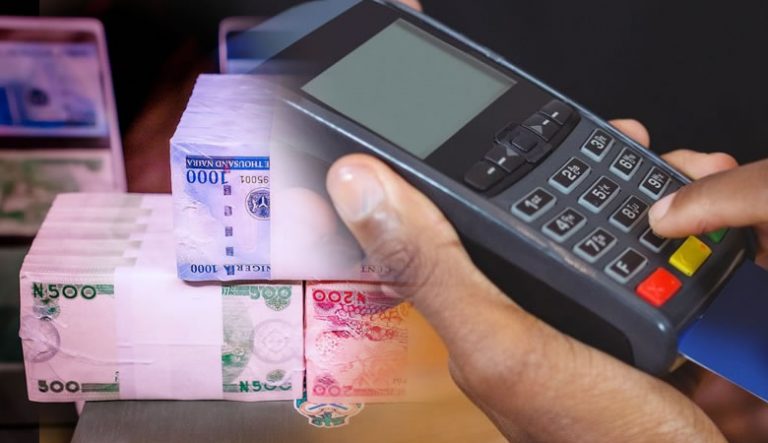
Point-of-sale (PoS) operators in Nigeria have raised withdrawal charges from N100 to N150 or N200 for every N5,000 transaction. The increase is attributed to the newly imposed N50 electronic levy by the Central Bank of Nigeria (CBN), which applies to financial technology (fintech) companies.
In September, fintech firms introduced a N50 stamp duty on transactions of N10,000 and above, in compliance with Federal Inland Revenue Service (FIRS) regulations. The policy applies to electronic transfers to personal and business accounts.
On December 1, the government began enforcing the levy across fintech platforms such as OPay, Moniepoint, and Kuda. Sarafadeen Fasasi, the national president of the Association of Mobile Money and Bank Agents in Nigeria (AMMBAN), confirmed that this levy has led PoS operators to raise service charges.
Fasasi explained that the stamp duty is not new, but its enforcement by fintech firms, which control 70% of the PoS market, is recent. Before now, only bank-originated agents paid the N50 levy. With fintech operators now following suit, PoS agents have been compelled to increase charges.
Several PoS operators shared their concerns with TheCable. They noted that operational costs have risen due to the levy, expensive data, and rising rent and taxes. One operator in Lagos mentioned that both sending and receiving money now incur charges.
In Ogun State, operators expressed frustration with reduced profit margins due to deductions from both fintech providers and the CBN. They stated that to remain profitable, they had to increase service charges. In some areas, a N10,000 withdrawal now costs N250 to N300.
Mary Balogun, a PoS operator, also linked the hike to cash scarcity during the festive season. In Abuja, some operators charge up to N500 for N10,000 withdrawals due to limited cash supplies.
Additionally, the CBN has set new limits, restricting PoS withdrawals to N100,000 per customer and daily cash transactions to N1.2 million for operators. These measures are part of the CBN’s push toward a cashless economy.



![[BREAKING] N110.4bn Fraud: Court Grants Yahaya Bello N500m Bail](https://daybreak.ng/wp-content/uploads/2024/12/Yahaya-Bello.fw_.png "[BREAKING] N110.4bn Fraud: Court Grants Yahaya Bello N500m Bail")
