
By Abigail Philip David
Russia’s parliament on Tuesday approved a bill that could enable Moscow to lift its designation of the Taliban as a banned “terrorist” organization, signaling a shift in its approach to Afghanistan’s rulers.
Since the Taliban seized power in Afghanistan following the U.S. withdrawal in 2021, Moscow has been engaging with the group and pushing to remove it from its list of outlawed organizations. The State Duma passed a bill creating a legal mechanism for delisting groups, a step seen as preparation for the Taliban’s eventual removal.
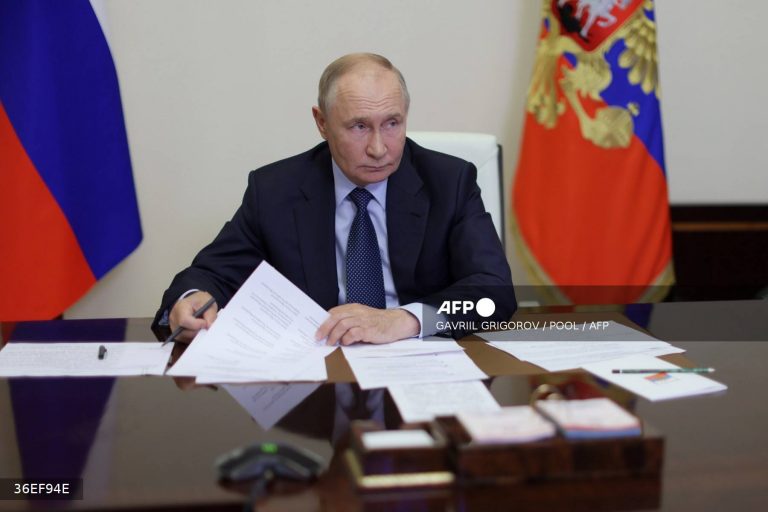
The legislation will now move to the Federation Council, Russia’s upper parliamentary house, before being sent to President Vladimir Putin for final approval.
During a visit to Kabul last month, senior Russian security officials assured Afghan authorities that removing the Taliban from the banned list was imminent. The proposed system empowers Russia’s Prosecutor General to petition a court, providing evidence that a group has ceased its involvement in terrorist activities. The court could then rule to lift the designation.
However, delisting the Taliban would not equate to formal recognition of their government, which they refer to as the “Islamic Emirate of Afghanistan”—a step no country has yet taken.
Earlier this year, President Putin described the Taliban as “allies in the fight against terrorism,” while Foreign Minister Sergei Lavrov called on Western nations to lift sanctions on Afghanistan and assume responsibility for the country’s reconstruction.
Russia’s Central Asian allies, such as Kazakhstan, have already taken steps to normalize ties with the Taliban, removing the group from their terrorist lists in late 2023. This potential shift in Moscow’s policy could enhance diplomatic engagement between Russia and Afghanistan, as both nations face strained relations with the West.
While the Taliban’s rule has brought political stability to Afghanistan, their enforcement of a strict interpretation of Islamic law—particularly policies that severely restrict women’s rights—continues to draw international condemnation.