
By Daniel Edu
As Nigeria faces challenges with fuel subsidy removal and rising petrol prices, many citizens are turning to alternative ways to power their generators. One popular choice is converting generators from petrol to Liquefied Petroleum Gas (LPG), commonly known as gas. However, concerns have been raised about the safety and efficiency of this practice.
Mechanical Engineer Kolawole Ogunwemimo from Ogun State warns that converted petrol engines running on LPG may be prone to explosions if not properly maintained and monitored. He explains that LPG leakages are not easily noticeable, making it crucial for the government to educate the public on the potential risks associated with the conversion.
The recent increase in fuel prices has caused significant hardships for citizens, pushing them to seek cost-effective alternatives like gas-powered generators. However, this shift to gas has also sparked debates on safety and efficiency. While using gas can be more economical and eco-friendly, some worry about the potential hazards and remain skeptical about the conversion.
In addition to the fuel subsidy issues, Nigeria also faces significant power challenges. With millions of people lacking access to electricity, many rely on generators to meet their power needs. The regular collapse of the national power grid has pushed people to find alternatives, and converting generators to gas is becoming an increasingly popular choice due to its cost-effectiveness and potential environmental benefits.
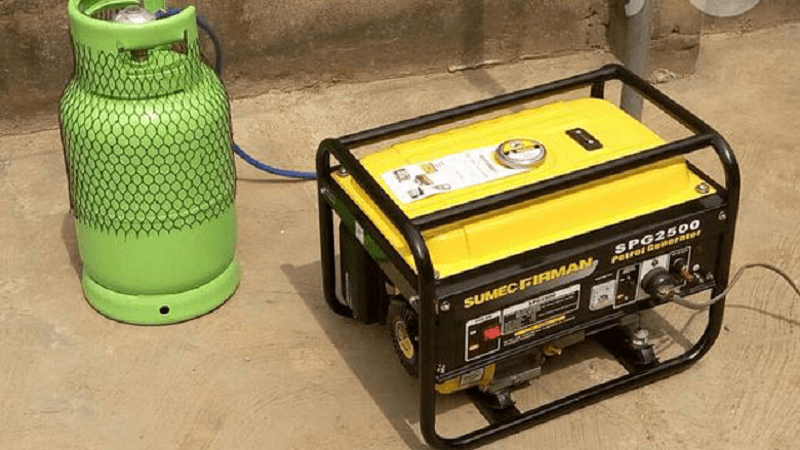
The conversion process involves replacing the petrol carburettor with one designed for gas, connecting a gas cylinder with a long hose to supply the new fuel. While some users have reported positive experiences with gas-powered generators, there is still public skepticism about safety, particularly regarding potential explosions.
Despite the positive feedback from some users who have embraced gas-powered generators, others call for more information and assurance from the government about the safety of this innovation. Some individuals prefer to stick with petrol or explore solar energy as an alternative to mitigate risks associated with gas usage.
In conclusion, the conversion of generators from petrol to gas in Nigeria has become a prevalent trend due to the rising cost of petrol and the appeal of a more economical and eco-friendly option. However, concerns about safety, efficiency, and government guidance persist, leaving citizens to decide on the best course of action for their energy needs.