
Economy
Obi Questions Tinubu’s Revenue Gains, Cites Rising Debt and Economic Hardship

By Abigail David
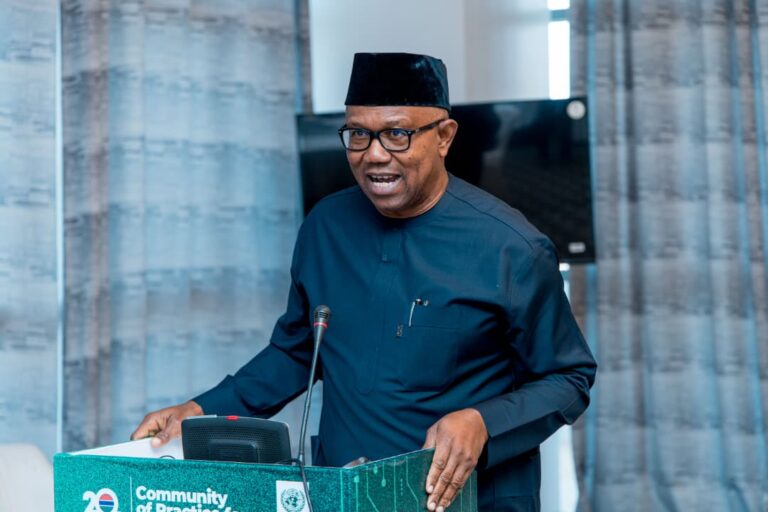
The presidential candidate of the Nigeria Democratic Congress and former Anambra State Governor, Peter Obi, has questioned the economic gains claimed by President Bola Tinubu’s administration, arguing that increased government revenue has not translated into improved living conditions for Nigerians.
In a statement shared on his X account on Wednesday, Obi noted that the President had highlighted a rise in government revenue from N16.8 trillion in 2022 to N35 trillion in 2025 as a key achievement.
He, however, expressed concern over the country’s growing debt profile, claiming Nigeria’s total public debt has climbed to about N200 trillion despite the reported revenue increase.
Obi also alleged that key socio-economic indicators, including poverty, unemployment and GDP per capita, have deteriorated since 2023, and called for greater transparency in the management of public finances.
He urged the Federal Government to provide a detailed account of its economic and fiscal policies, asking, “Where did all the money go?”
The latest remarks follow Obi’s earlier criticism of the administration’s borrowing strategy and fiscal accountability.
Responding to the claims, the Presidency said Nigeria’s debt profile includes obligations inherited from previous administrations and state governments. Presidential aide Dada Olusegun also noted that exchange rate fluctuations significantly affect the naira value of the country’s external debt.





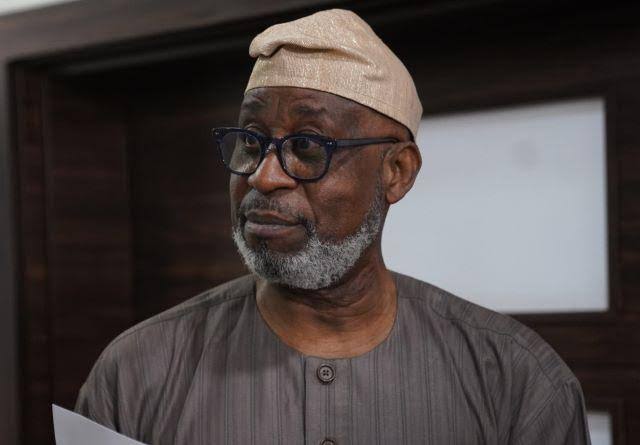
Minister of Solid Minerals Development Dele Alake has said Nigeria’s current economic challenges are difficult but necessary as the country undertakes reforms aimed at building a more resilient and sustainable economy.
Speaking at the Solid Minerals Excellence Awards in Abuja, Alake said the administration of Bola Tinubu remains committed to implementing structural reforms designed to tackle corruption, institutional weaknesses and overreliance on oil revenue.
According to the minister, the government’s long-term strategy is focused on economic diversification, industrial growth and strengthening national institutions, even where reforms involve short-term hardship.
Alake identified the solid minerals sector as a key part of Nigeria’s diversification agenda, noting that recent reforms have targeted illegal mining, regulatory inefficiencies and transparency gaps.
He said the digitisation of licensing processes and the expansion of the Mining Marshals initiative have improved compliance and enforcement across the sector, while efforts to encourage local mineral processing are expected to boost industrialisation and job creation.
Also speaking, Permanent Secretary of the Ministry of Solid Minerals Development, Yusuf Yabo, said the awards reflect the government’s commitment to positioning the mining sector as a major driver of economic growth.
The event recognised individuals and organisations for contributions to innovation, sustainability and investment in Nigeria’s mining industry.


PDP REAFFIRMS ABSOLUTE CONFIDENCE IN CHIEF AONDOAKAA
NDVC Dismisses Claims Linking Amagbein to ADC, Reaffirms Support for Tinubu
DSS Untreads The Old Path
-

 News14 hours ago
THE MONEY THAT NEVER MOVEDHow Nigeria’s Expenditure Controls Prevented the PEAC/PFIPC Appropriation from Becoming Public Expenditure
-

 News16 hours ago
SECOND TERM IS NOT A BIRTHRIGHT: ALIA SET TO JOIN THE LIST OF GOVERNORS WHO FELL
-
Uncategorized3 hours ago
NDVC Dismisses Claims Linking Amagbein to ADC, Reaffirms Support for Tinubu
-
Uncategorized13 hours ago
DSS Untreads The Old Path
-
 News3 hours ago
PDP REAFFIRMS ABSOLUTE CONFIDENCE IN CHIEF AONDOAKAA
You must be logged in to post a comment Login