
Culture &Tourism
China, Nigeria Strengthen Cultural, Sports Cooperation Through Martial Arts

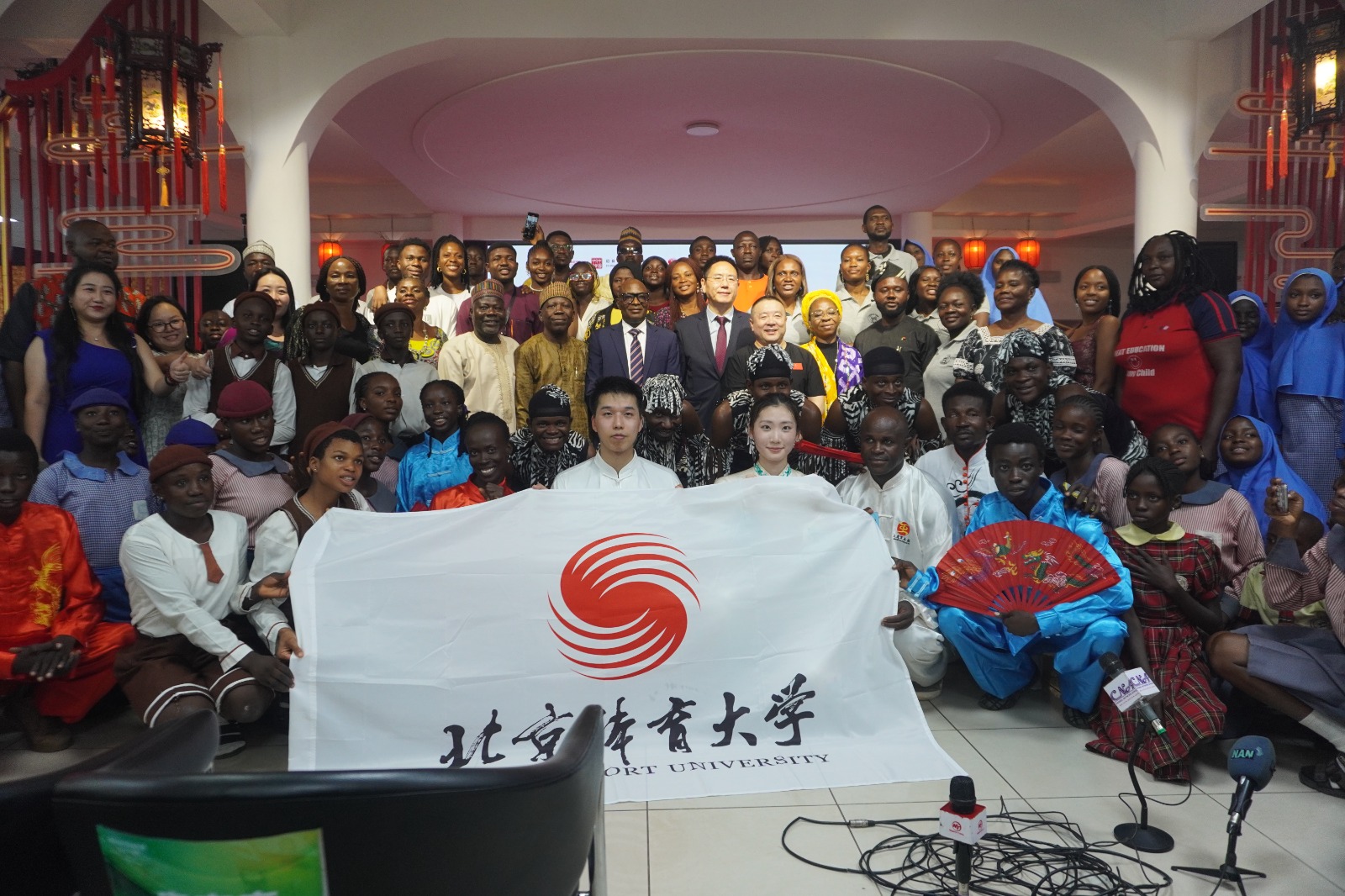
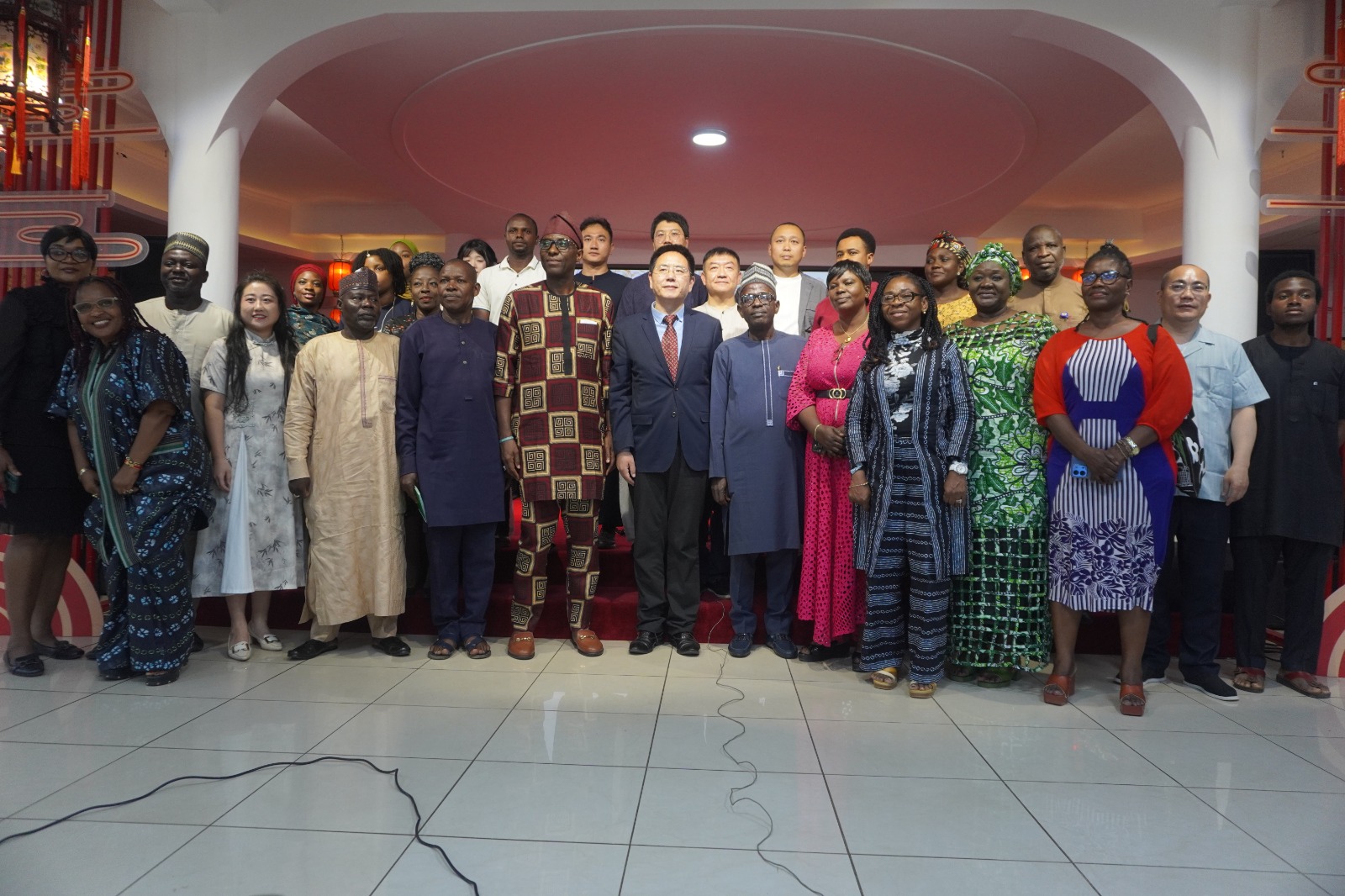
China and Nigeria have reaffirmed their commitment to expanding cultural diplomacy, people-to-people relations and sports collaboration following a vibrant martial arts exhibition held in Abuja, Nigeria’s capital city.
The Chinese Wushu (Martial Arts) Premium Exhibition, hosted at the China Cultural Centre in Nigeria, brought together diplomats, sports administrators, academics and cultural enthusiasts to celebrate the heritage and philosophy of traditional Chinese martial arts.
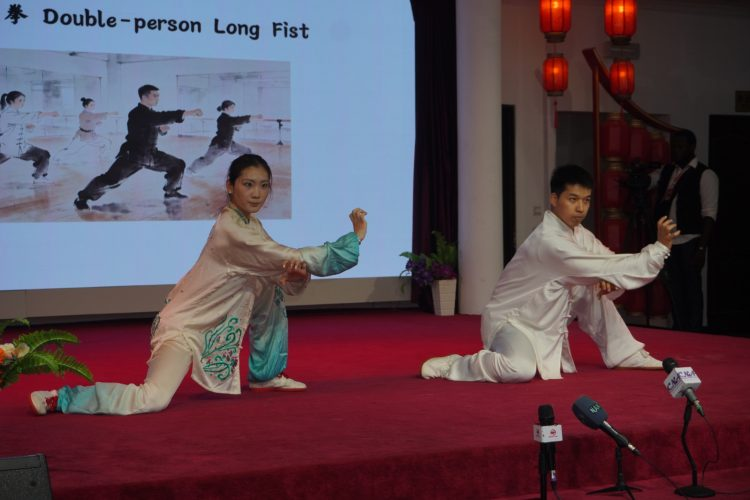
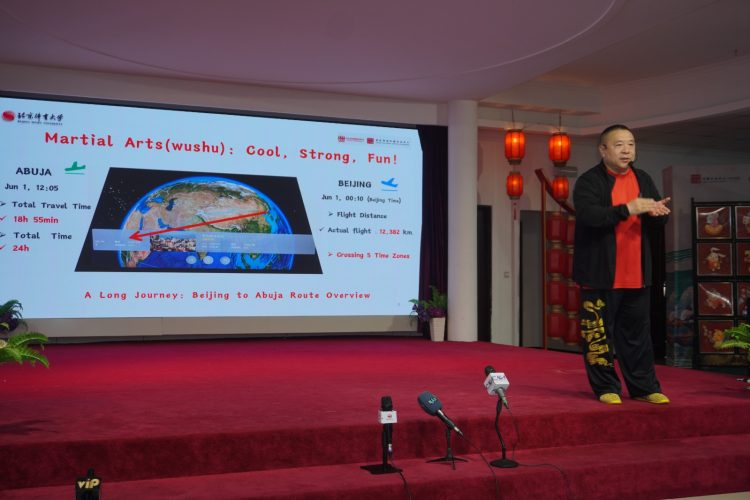
The programme featured a series of presentations and interactive displays led by martial arts expert Professor Wu Dong and his delegation from Beijing Sport University, offering participants an immersive experience of Wushu as both a physical discipline and a cultural expression.
Exhibitions were organised around four thematic areas, including Wu Yuan – Drawing Meaning from Forms, First Techniques in Harmony with Nature; Martial Arts – Tempered Through Thousands of Hammers, Competing with Weapons; Wu Dao – The Way of Tai Chi, Fist and Fist Combine; and Martial Music – Practicing Martial Arts Together, Joy in Body and Mind.
Speaking at the opening ceremony, Counsellor Yang Jianxing of the Chinese Embassy in Nigeria stressed the importance of cultural exchange in strengthening mutual understanding and international friendship.
He said Chinese martial arts go beyond physical training, describing them as a reflection of long-standing cultural values that emphasise discipline, respect, harmony and moral development. According to him, Wushu also expresses the Chinese worldview of peaceful coexistence and balance between humanity and nature.
“The essence of martial arts is not about combat, but about cultivating peace, character and self-improvement. Its value lies not only in movement, but in the development of virtue and understanding,” Yang said.
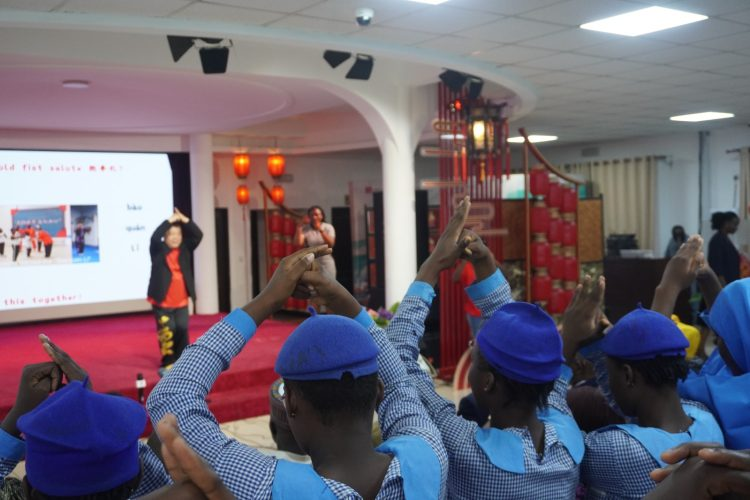
He explained that the exhibition was designed to give Nigerians direct exposure to Chinese martial arts through demonstrations, lectures and interactive sessions, while also serving as a platform to deepen cultural ties between both countries.
Yang further noted that China-Nigeria relations have continued to expand over the decades, extending beyond political and economic cooperation to include strong cultural and educational linkages that have strengthened friendship between both peoples.
“The progress in China-Nigeria relations is not only the result of practical cooperation, but also the deep and enduring friendship between our peoples,” he added.
In his remarks, Chairman of the National Sports Commission, Shehu Dikko, described the exhibition as a meaningful convergence of sport, culture and diplomacy.
Dikko, who was represented by the Commission’s Special Adviser on Legal, Strategy and Administration, Musa Ahmadu, said Wushu reflects the values of discipline, balance, respect and excellence that are central to traditional sports worldwide.
He noted that although Nigeria and China have maintained strong cooperation in trade, infrastructure and economic development, cultural and sporting exchanges remain critical to strengthening long-term bilateral relations.
“Sports speaks a universal language. It crosses borders, bridges differences and brings people together in ways that formal diplomacy often cannot,” he said.
According to him, sports diplomacy remains a powerful tool for enhancing people-to-people engagement, particularly among young people, while fostering mutual respect and understanding between nations.
Dikko commended the Chinese Embassy and the China Cultural Centre for promoting Wushu in Nigeria, describing the initiative as an opportunity for Nigerians to engage with an important aspect of Chinese heritage while opening new pathways for collaboration in sports and education.
He said the initiative aligns with the National Sports Commission’s mandate under President Bola Ahmed Tinubu’s Renewed Hope Agenda, which seeks to reposition sports as a driver of youth development, economic growth and international engagement.
“Nigeria has a youthful and talented population, while China brings advanced systems and experience in sports development. This presents a strong foundation for partnership and shared growth,” he said.
He added that both countries could expand cooperation through exchange programmes, youth engagement, and joint development in areas such as coaching, sports science, athlete preparation, sports medicine and infrastructure management.
Dikko reaffirmed the Commission’s readiness to deepen collaboration with the Chinese Embassy, the China Cultural Centre and Beijing Sport University to further strengthen bilateral relations through sports and cultural initiatives.
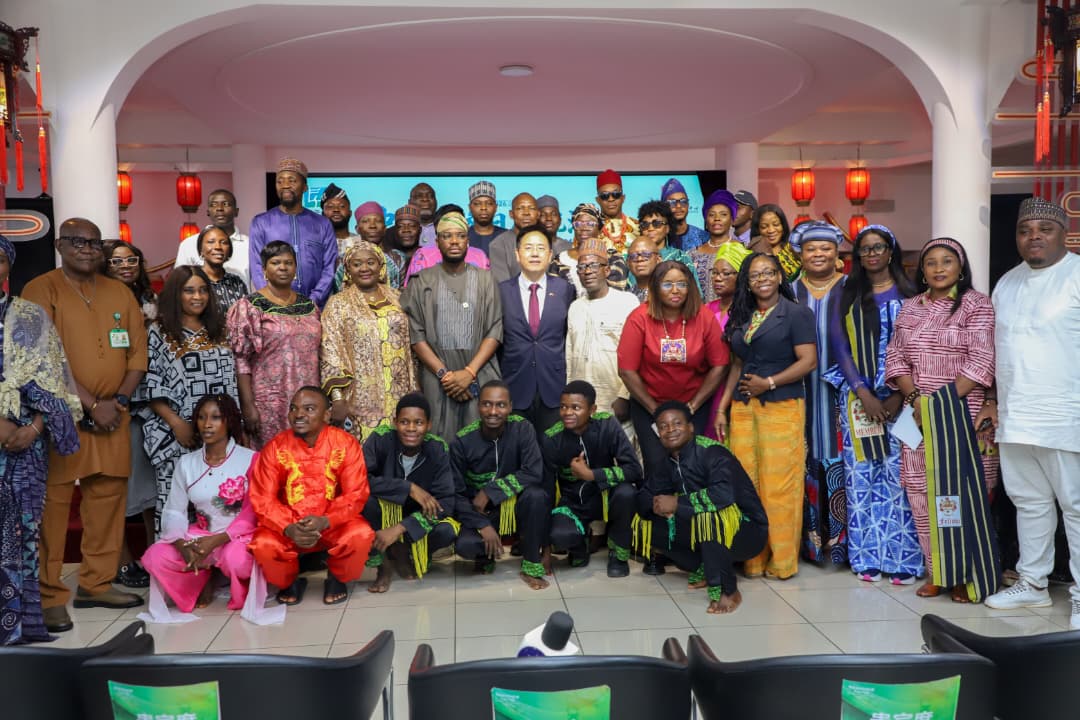
The exhibition featured live demonstrations and cultural performances, offering participants a deeper appreciation of Chinese martial arts as a blend of philosophy, discipline and artistic expression, while reinforcing growing ties between China and Nigeria.
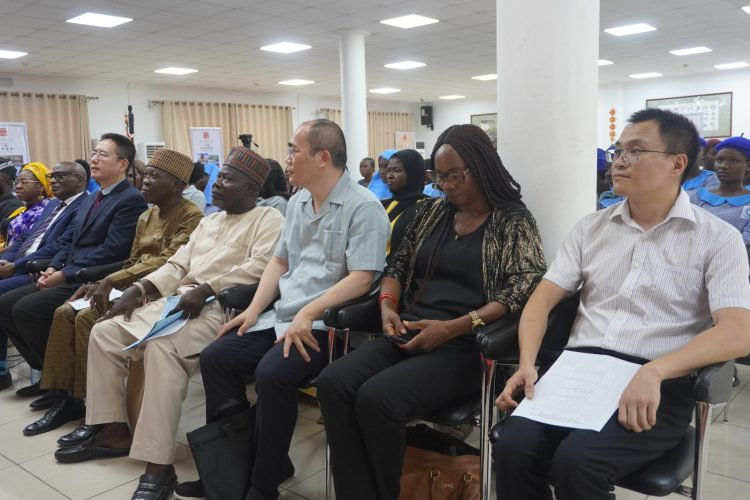
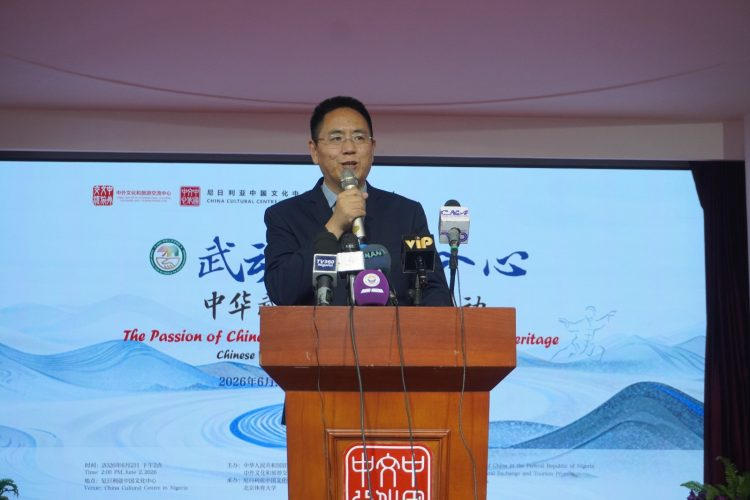
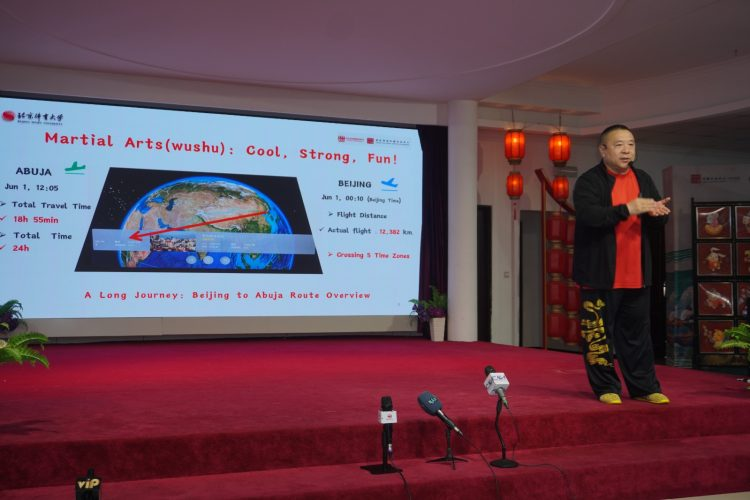






China and Nigeria have renewed their commitment to expanding cultural cooperation and strengthening people-to-people relations through a cultural heritage salon held in Abuja.
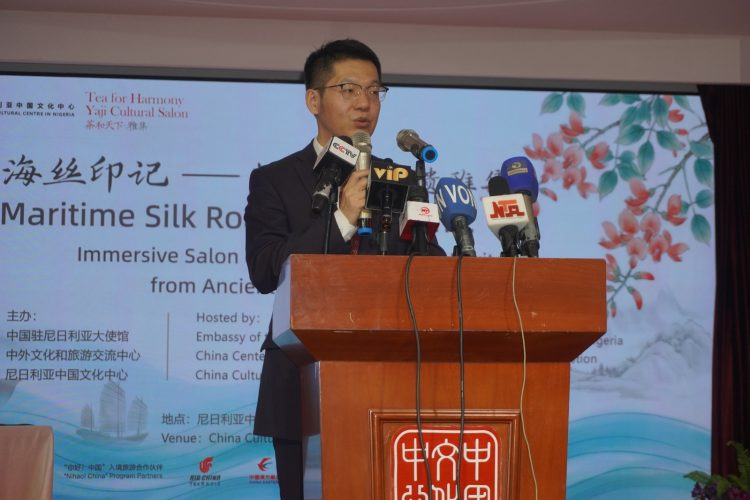
The event, themed “Maritime Silk Road Impressions: Immersive Salon of Intangible Cultural Heritage from Ancient Zayton Port,” took place at the China Cultural Centre and attracted diplomats, government officials, cultural practitioners and enthusiasts from both countries.
In his remarks, Zhou Hongyou, Minister at the Chinese Embassy in Nigeria, said tea has remained an important cultural symbol that promotes friendship and dialogue among people across different regions of the world.
He explained that Chinese tea traditions, which date back thousands of years, spread beyond Asia through the ancient Silk Road and gradually became a platform for cultural interaction and exchange among civilizations.
Zhou noted that China’s traditional tea-making practices received global recognition when they were added to UNESCO’s list of intangible cultural heritage in 2022.
According to him, the Abuja cultural salon was organised to celebrate the enduring legacy of the Maritime Silk Road, which historically connected different continents through commerce, culture and human interaction.
The diplomat also referenced the historic Chinese city of Quanzhou, known in ancient times as Zayton, describing it as one of the major centres of maritime trade and cultural exchange during the height of the Silk Road era.
He stated that beyond the exchange of goods such as silk, porcelain and spices, the Silk Road also encouraged values of cooperation, inclusiveness, peaceful coexistence and mutual learning among nations.
Zhou added that these principles continue to shape modern relations between Nigeria and China, particularly through bilateral cooperation under the Belt and Road Initiative.
Also speaking, Abdulkarim Ozi Ibrahim, Permanent Secretary of the Federal Ministry of Art, Culture, Tourism and Creative Economy, commended the organisers for using culture as a bridge to deepen ties between both countries.
Represented by Mr Envadu Yohanna Ayaka, Director of International Cultural Relations, the Permanent Secretary observed that tea culture aligns closely with Nigerian traditions that emphasise hospitality, unity and social interaction.
He further noted that the growing popularity of tea consumption in Nigeria presents opportunities for investment in tourism, agro-processing, branding and the broader creative economy.
According to him, the ministry remains committed to supporting initiatives that encourage cultural exchange, artistic innovation and international collaboration capable of boosting Nigeria’s participation in the global creative sector.
He stressed that programmes promoting intercultural dialogue are important in building stronger diplomatic and economic partnerships.
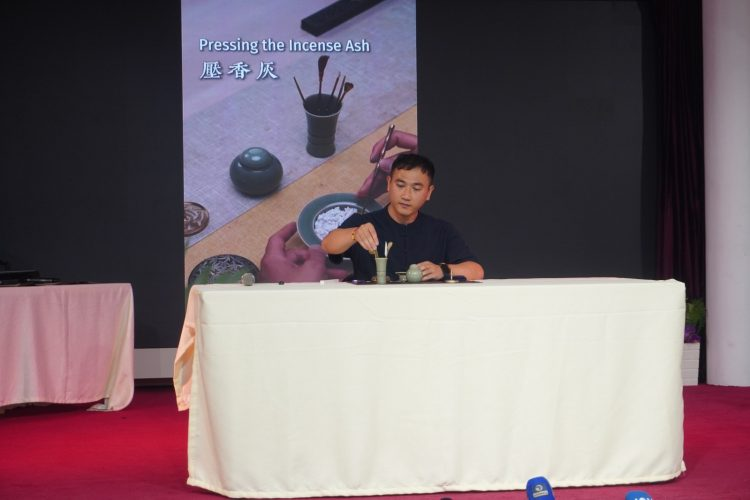
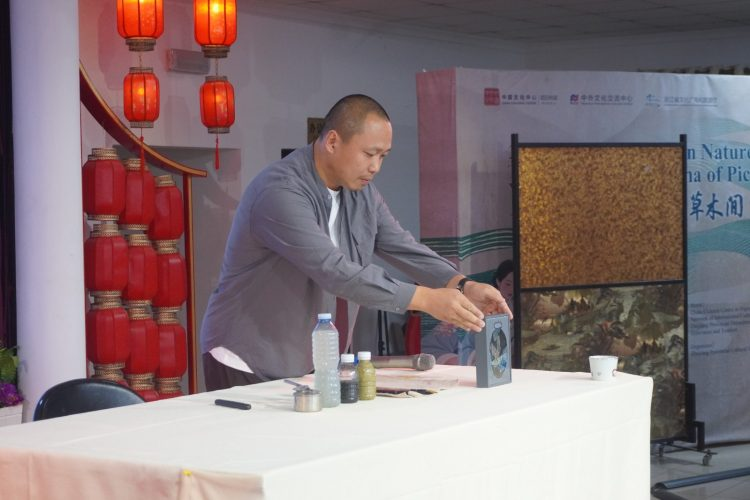
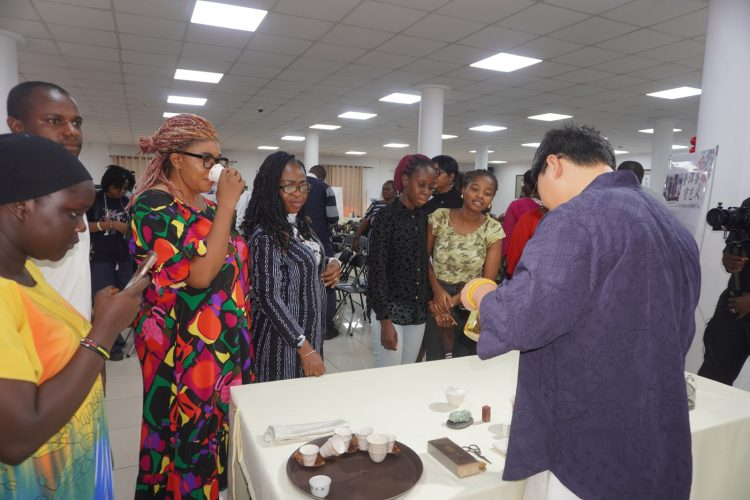
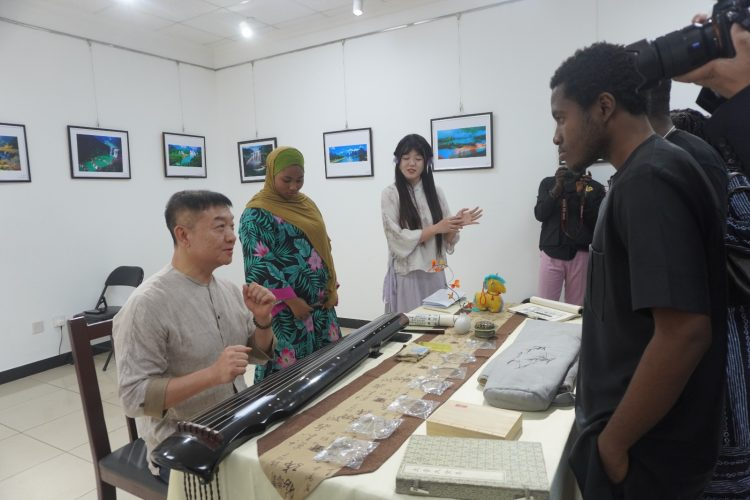
Participants were treated to a variety of traditional Chinese cultural displays, including tea ceremonies, Guqin musical performances, incense rituals and ceramic exhibitions that highlighted China’s rich artistic heritage.
Guests also participated in interactive activities designed to expose attendees to various aspects of Chinese heritage, including classical music traditions and artistic craftsmanship.
China and Nigeria have reaffirmed their commitment to strengthening tourism and cultural ties to promote growth and international cooperation.
The pledge was made at the 2026 edition of China Tourism Day held at the China Cultural Centre in Abuja on Friday.
The event attracted government officials, diplomats, tourism professionals, cultural enthusiasts, and stakeholders from the creative industry, who gathered to celebrate the growing relationship between both countries and the role of tourism in fostering international cooperation.
Addressing participants during the celebration, Cultural Counsellor Yang Jianxing said this year’s theme, “Enjoying Quality Tourism, Exploring Beautiful Landscapes,” reflects the importance of tourism in promoting friendship, cultural understanding, and shared experiences among nations.
He explained that tourism goes beyond leisure and recreation, describing it as a platform that encourages interaction between peoples and civilizations.
Yang noted that both China and Nigeria possess rich historical traditions and world-renowned tourist attractions that continue to strengthen cultural connections between their citizens. He pointed to landmarks such as the Great Wall of China, Mount Tai, Osun-Osogbo Sacred Grove, and Zuma Rock as important symbols of national identity and cultural pride.
He also highlighted previous collaborative initiatives between the two countries, including cultural festivals and Chinese New Year programmes, which he said have created opportunities for deeper engagement through music, art, cuisine, and traditional performances.
Representing the Federal Ministry of Arts, Culture, Tourism and Creative Economy, Abdulkarim Ozi Ibrahim said Nigeria’s cultural and diplomatic relationship with China has continued to expand over the last five decades.
Represented at the event by Yohanna Evandu, the Permanent Secretary noted that cooperation between both nations has delivered significant benefits, especially in education, skills development, and cultural exchange.
He observed that several Nigerian performers and cultural practitioners have benefited from training opportunities in China, while educational exchange programmes have also strengthened bilateral ties.
Ibrahim praised China’s investment in tourism infrastructure and environmental management, describing the country’s approach to heritage conservation and urban aesthetics as impressive and worthy of study.
Also speaking, Aare Abisoye Fagade, Director General of the National Institute for Hospitality and Tourism (NIHOTOUR), said China’s progress in tourism development offers practical lessons for emerging tourism economies such as Nigeria.
According to him, China has successfully combined innovation, infrastructure development, technology, and cultural preservation to build a globally competitive tourism sector.
Fagade said Nigeria could benefit immensely from stronger institutional partnerships with China in areas including hospitality training, tourism education, destination management, culinary arts, tourism technology, and professional certification.
He explained that the implementation of the NIHOTOUR Act 2022 has positioned the institute to play a more active role in regulating and professionalising Nigeria’s hospitality and tourism industry.
The NIHOTOUR boss also called for increased collaboration in tourism investment, workforce development, research, technology transfer, and destination marketing, stressing that stronger partnerships would improve the competitiveness of Nigeria’s tourism sector.
Stakeholders at the event collectively expressed optimism about the future of Nigeria-China relations, particularly in tourism and the creative economy, noting that stronger cooperation would encourage cultural understanding, economic growth, and deeper people-to-people engagement.
The celebration ended with cultural performances and interactive sessions showcasing the longstanding friendship and shared aspirations between Nigeria and China.


JUST IN: Otedola buys N222bn additional First HoldCo shares to boost stake
DSS, Forest Guards Kill Bandits In Gun Battle, Rescue Nine Abducted Victims in Kwara

Umahi Tours Lekki Corridor’s 7th Axial Road Project, Praises CHEC’s Progress
-
 News10 hours ago
Group Urges Gov. Yusuf to Appoint Ahmad Tijjani Abdullahi to Kano Executive Council
-
Uncategorized18 hours ago
Oriire Kidnap: FG Arraigns Ansaru Commanders, Mahmuda, Abu Baraa and The Three New Suspects Arrested By DSS On Fresh Charges of Terrorism, Murder of Teachers
-
 News9 hours ago
Zulum Stops Convoy to Buy Peanuts From Roadside Trader During Borno Community Visit
-
Uncategorized18 hours ago
Breaking: FG Arraigns ‘BOSYA President’ Kaigama For Terrorism
-
 News9 hours ago
Uba Sani Names KADIRS Chairman Jerry Adams as Running Mate for 2027 Governorship Election
-
Uncategorized7 hours ago
Lekki 7th Axial Road: Umahi commands CHEC, confident of timely delivery
-

 Politics20 hours ago
APC URGED TO UPHOLD AND RESTORE DANKAKA’S SENATORIAL CANDIDACY FOR KWARA SOUTH
-
 News9 hours ago
75% of Doctors Leave Nigeria Within Two Years of Graduation, Says Akwa Ibom NMA Chairman
You must be logged in to post a comment Login