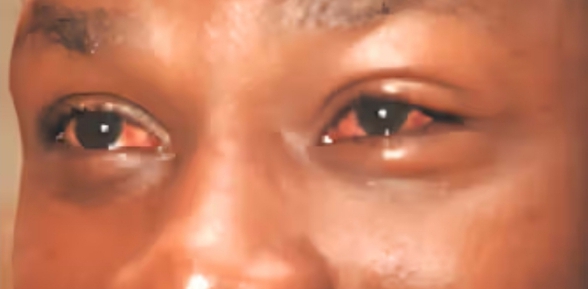

The recent outbreak of the highly contagious red eye disease, formally known as conjunctivitis, has raised concerns as it spreads from Dar es Salaam, Tanzania, to Mombasa, Kenya. Recognizing the causes, symptoms, and preventive measures for this condition is crucial in managing its impact. In this article, we delve into the key aspects of the red eye disease.
Causes of Red Eye Disease:
Conjunctivitis can stem from various sources, including viruses, bacteria, and allergens. Bacterial infections, particularly strains like Staphylococcus or Streptococcus, are common culprits. Additionally, irritants such as smoke, dust, or chemicals can initiate inflammation in the conjunctiva, the clear layer covering the white part of the eye.
Symptoms of Red Eye Disease:
Identifying the red eye disease hinges on recognizing its distinctive symptoms. The most prominent indicator is the redness of the eye, resulting from dilated and inflamed blood vessels. Other symptoms include itching, a gritty sensation, excessive tearing, pain, and the discharge of watery or mucous-like substances leading to crust formation, especially after sleep. Sensitivity to light, blurred vision, headaches, and a runny nose may also accompany the condition.
Treatment and Prevention:
While red eye disease typically resolves within one to two weeks without specific treatment, preventive measures can curb its spread and severity. Consider the following preventive measures:
1. Wash hands regularly with soap and water.
2. Avoid touching and rubbing the eyes.
3. Refrain from touching the face.
4. Steer clear of sharing personal items like towels and makeup kits.
5. Cover your mouth while coughing and sneezing to prevent contagion.
6. In environments with irritants, wear protective eyewear.
7. Address allergic reactions promptly with antihistamines or prescribed medications if prone to allergies.
Conclusion:
Understanding the causes, symptoms, and preventive measures for red eye disease is essential for effective management. By adopting proper hygiene practices and taking precautionary steps, individuals can contribute to minimizing the spread of this contagious condition.