
By Michael Onjewu
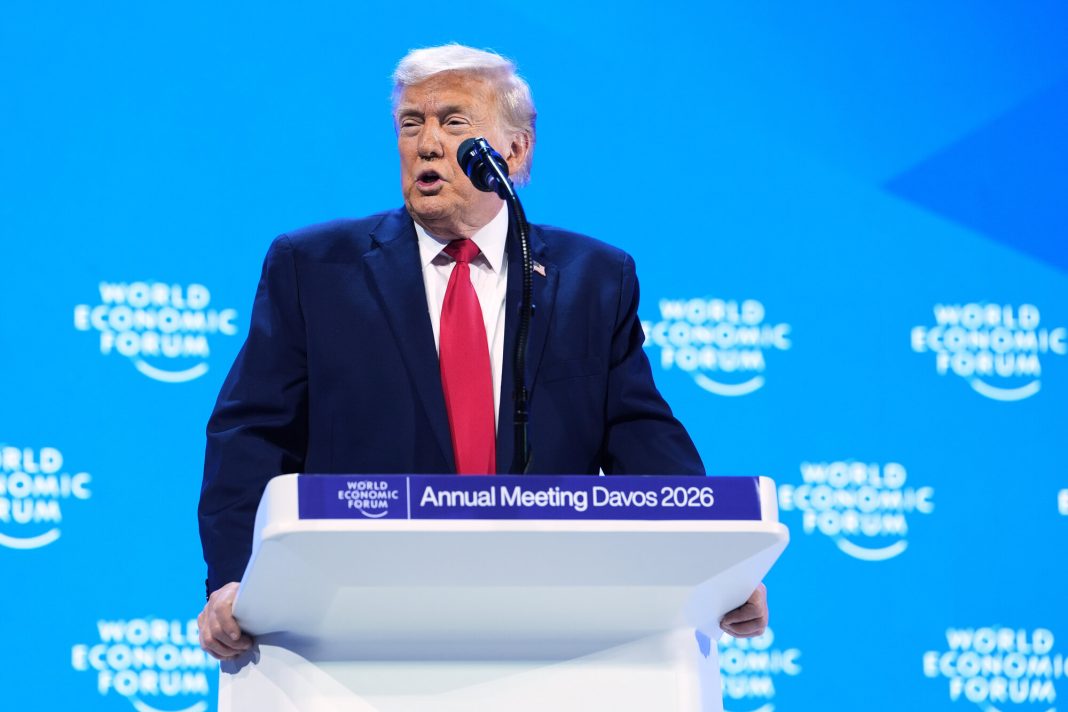
During his address at the World Economic Forum in Davos, Switzerland, on Wednesday, U.S. President Donald Trump claimed that China does not meaningfully use wind power, asserting that while the country manufactures most of the world’s wind turbines, it has few to no operational wind farms of its own and instead sells them to other nations. He described China as “smart” for avoiding reliance on wind energy domestically.
This claim is inaccurate and contradicted by extensive data on China’s renewable energy sector. China has led the world in installed wind power capacity for 15 consecutive years, according to official statements from its National Energy Administration and Foreign Ministry, as well as international reports.
By the end of November 2025, China’s cumulative installed wind power capacity exceeded 600 gigawatts (GW), equivalent to 600 million kilowatts. This figure comes directly from Chinese government sources and has been widely cited in response to Trump’s remarks.
For context: This makes China’s wind capacity significantly larger than that of any other country. For comparison, the United States, which ranks second, had around 157–200 GW in recent years, with China holding roughly three times more in some 2024–2025 estimates and continuing rapid additions.
This installed capacity translates to enormous generation potential. China’s wind farms are not merely symbolic; they actively contribute to the national grid.
In the first 11 months of 2025, wind power generated nearly 950 billion kilowatt-hours of electricity, with high utilisation rates above 94%.
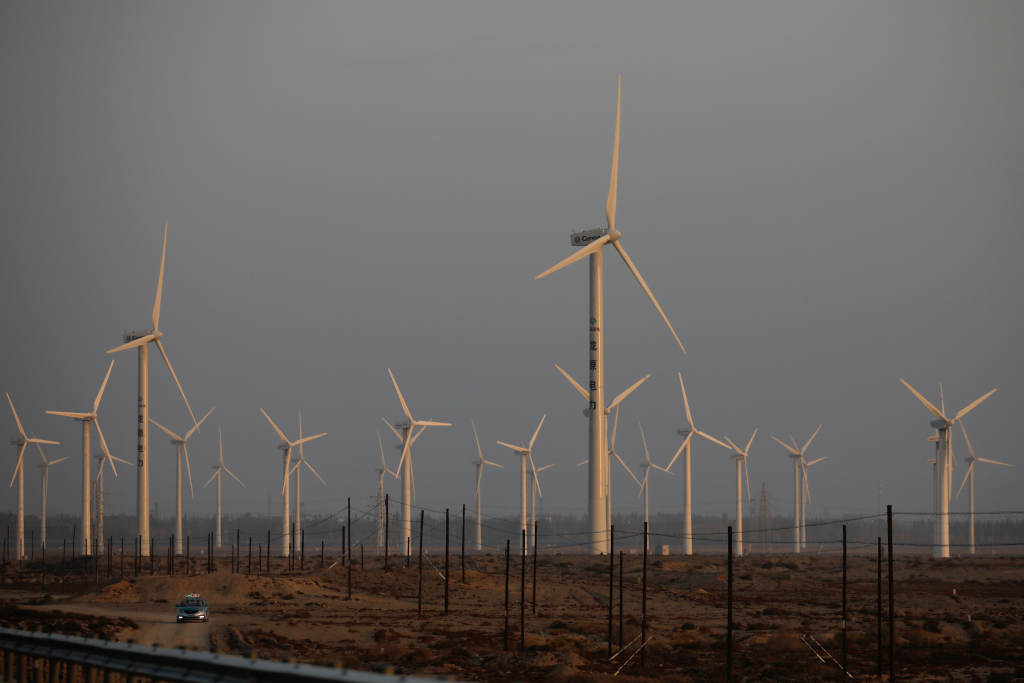
China widens wind power lead with new generation record
To illustrate the scale: 600 GW of wind capacity could theoretically power approximately 500 million homes, based on average household electricity consumption figures (though actual output depends on capacity factors, typically 20–40% for wind due to variable wind speeds).
This highlights the massive role wind plays in China’s energy mix, even as coal remains dominant overall. China’s wind power leadership extends beyond domestic use; it dominates global manufacturing and exports, but the idea that it avoids using the technology at home does not align with the facts.
The country has aggressively expanded renewables, with wind and solar combined surpassing coal capacity in 2025 for the first time, marking a key shift toward cleaner energy. Trump’s statement appears to overlook or misrepresent these developments, which position China as the undisputed global frontrunner in wind energy deployment.
Michael Onjewu is an Abuja-based journalist