
Nigeria’s upstream oil sector is accelerating efforts to boost production, with the Nigerian Upstream Petroleum Regulatory Commission significantly reducing approval timelines for restarting idle wells from weeks to hours.
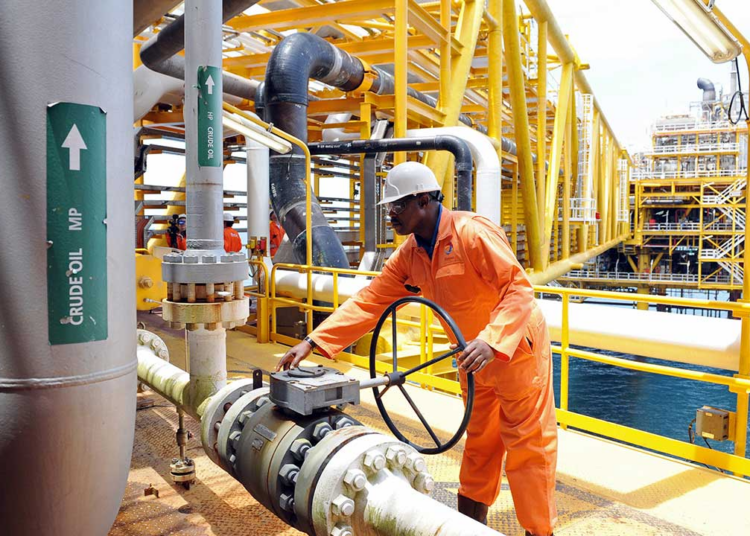
The move comes as crude prices approach $100 per barrel, prompting operators to revive dormant assets as a quicker and cheaper alternative to drilling new wells.
Industry sources said the regulator is now granting “speedy approvals” for activities that can increase output, including well reactivation and evacuation processes at production facilities.
In a related development, the commission has awarded a three-year Petroleum Exploration Licence (PEL No. 5) to SeaSeis Geophysical Limited in partnership with TGS. The agreement allows for the acquisition and processing of new 3D seismic and gravity data offshore in the eastern Niger Delta.
The project, covering about 11,700 square kilometres, is expected to improve subsurface data, enhance exploration prospects, and support long-term hydrocarbon development.
Speaking at the signing, NUPRC chief executive Oritsemeyiwa Eyesan said the initiative reflects a commitment to data-driven exploration and partnerships needed to grow reserves and meet production targets.
Nigeria’s oil output has recently declined, falling to about 1.31 million barrels per day in February, below government targets. Authorities are now encouraging local operators to revive existing wells to quickly ramp up production.
The reforms are part of broader efforts to position Nigeria to benefit from rising global oil demand and strengthen its role among major producers.