
News
The Tears of Oriire: When a Nation Fails to Protect Its Children

By Abel Zwanke
A nation is ultimately judged not by the height of its skyscrapers or the size of its budgets, but by how well it protects its most vulnerable citizens. Among them are children—innocent young people whose only aspiration is a better future. Today, Nigeria faces difficult questions as families in Oriire Local Government Area of Oyo State await the safe return of children and teachers reportedly abducted by armed criminals. For many parents, every day brings renewed anxiety and uncertainty.
Mothers stare at empty beds. Fathers move between security offices, prayer grounds and community meetings searching for answers. The silence left behind by missing children has become a painful reminder of the insecurity confronting many communities across the country.The reported abduction in Oriire is more than another security incident. It highlights a broader national challenge that continues to affect schools, farms, highways and rural communities.
Across several states, including Plateau, Benue, Niger, Kogi, Zamfara, Katsina and Borno, families have endured the consequences of violent attacks, kidnappings and displacement. Farmers abandon their lands, schools suspend activities, and communities live under constant fear.The situation inevitably recalls the 2014 abduction of schoolgirls from Chibok, an incident that drew global attention to the vulnerability of children in conflict-affected areas. More than a decade later, the concerns raised by that tragedy remain relevant.
For affected families, the issue is deeply personal. Parents are not seeking privileges or political favours; they simply want their children safely home. Every day spent in captivity represents another day of anguish for those waiting for news of their loved ones.The consequences of insecurity extend far beyond immediate victims. Each attack weakens public confidence, discourages investment, disrupts education, threatens food security and deepens economic hardship. Communities living under constant fear struggle to plan for the future.
Children growing up in such environments face psychological burdens that can shape their outlook on life. When classrooms are perceived as unsafe and violence becomes commonplace, the long-term effects can be profound.Yet amid the challenges, there are reasons for hope. Security personnel continue rescue efforts. Communities remain resilient. Religious leaders, volunteers and ordinary citizens continue to support victims and their families. However, compassion alone cannot substitute for effective governance.
Addressing insecurity requires stronger intelligence gathering, improved protection for vulnerable communities, enhanced coordination among security agencies and sustained accountability at all levels. Ultimately, history will not judge leaders by the number of statements issued or meetings held. It will judge them by whether citizens were protected and whether children returned home safely. As efforts continue to secure the release of those reportedly abducted in Oriire, Nigerians share the hopes of affected families.
They hope for safe reunions, restored peace and a future where children can pursue education without fear.The concerns raised by Oriire are not confined to one community. They reflect broader questions about safety, governance and national responsibility. How Nigeria responds will help determine not only its security future but also the confidence of generations yet to come.


By Anne Azuka
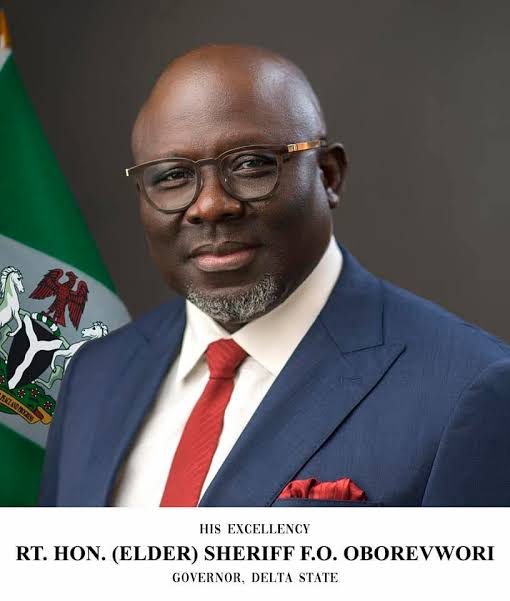
Delta State Governor Sheriff Oborevwori has urged the newly appointed General Officer Commanding (GOC), 6 Division, Nigerian Army, Major General Everest Okoro, to sustain security collaboration to protect lives, property and critical economic assets in the Niger Delta.
Oborevwori made the call on Tuesday when Okoro, who is also Land Component Commander, Joint Task Force South-South, Operation Delta Safe, paid a courtesy visit to Government House, Asaba.
The governor said sustained cooperation between the state government and security agencies had contributed to peace in Delta, stressing that security was vital to economic growth and investment. He commended the military and other security agencies for their efforts and said the state government had provided infrastructure and logistics to support their operations.
Oborevwori disclosed that the government recently constructed one-unit flats at the Amphibious Army Barracks in Agbor and had provided logistical support to the 63 Brigade. Okoro said the visit was part of his familiarisation tour following his assumption of command. He commended the governor’s support for security operations in the state, particularly in infrastructure and welfare.
The GOC said protecting critical national assets, including oil and gas infrastructure and waterways, would remain a priority within the Division’s area of responsibility. He identified credible intelligence, realistic training and coordination among security agencies as essential to addressing security threats. Okoro also pledged to pursue disciplined leadership and joint operations while seeking continued cooperation with the Delta State Government.
From Noah Ocheni, Lokoja
The Minister of State for Foreign Affairs, Ambassador Sola Enikanolaiye, has approved the appointment of Richard Elesho and Raphael Oni as media aides to strengthen communication of the ministry’s mandate and the Federal Government’s Renewed Hope Agenda.
A statement by the ministry’s spokesperson, Kimiebi Imomotimi Ebienfa, said Elesho was appointed Special Assistant on Media and Strategic Communications, while Oni will serve as Special Assistant on Digital and Public Diplomacy. According to the statement, the appointees have experience in journalism, government communication, public affairs, diplomacy and media management.
Elesho, a graduate of Delta State University, Abraka, and Kogi State University, Anyigba, previously served as Chief Press Secretary and Director-General of Media Affairs to former Kogi State governors Ibrahim Idris and Idris Wada. He was also North Central Bureau Chief of The News/PM News before his latest appointment.
Oni has more than 15 years of experience in diplomatic reporting, government communication and public diplomacy. He holds a master’s degree in International Relations and Diplomacy from the University of Abuja and has served as publisher of Diplomats Extra Magazine since 2013.
He has also served two terms as Secretary-General of the Diplomatic Correspondents Association of Nigeria and previously held the same position at the NUJ Correspondents Chapel, Abuja. The ministry expressed confidence that the new aides would strengthen public engagement and communication of Nigeria’s diplomatic efforts.
From Noah Ocheni, Lokoja
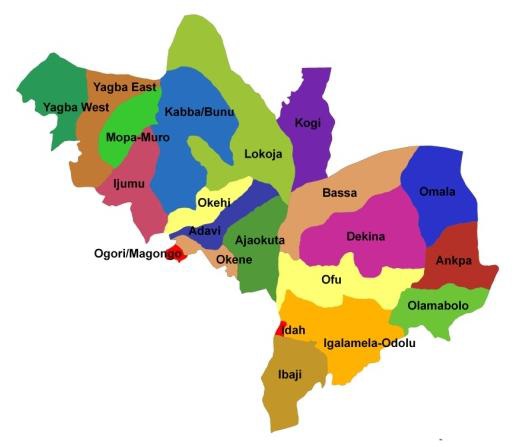
The Kogi State Government has approved campaign signage fees ranging from N300,000 to N150 million for political parties and candidates ahead of the 2027 general elections and the October 2026 local government elections.
The Commissioner for Information and Communications, Kingsley Fanwo, announced the fees in Lokoja after a stakeholders’ meeting with signage and advertising operators. Under the approved structure, presidential candidates will pay N150 million for campaign signage and related promotional materials across the state.
Senatorial candidates will pay N50 million, while House of Representatives and State House of Assembly candidates will pay N30 million and N5 million, respectively. For the local government elections, chairmanship candidates will pay N2 million, while councillorship candidates will pay N300,000.
Fanwo said the fees were intended to regulate political advertising, ensure compliance with signage regulations and generate revenue for the state. He warned that campaign materials displayed without payment of the prescribed fees and the required approvals would be removed and could attract prosecution.
Fanwo said the regulations applied to all political parties and candidates, including those of the ruling All Progressives Congress (APC). The Kogi State Signage and Advertisement Agency (KOSSAA) will coordinate enforcement. Its General Manager, Richard Osaseyi, said full enforcement would begin the following week.
Osaseyi urged parties, candidates, campaign organisations and billboard operators to register with KOSSAA and obtain necessary approvals before displaying campaign materials.


Security Collaboration Boosts Delta’s Peace, Economic Growth, Oborevwori Says

Foreign Affairs Minister Appoints Elesho, Oni as New Media Aides

2027: Kogi Sets N150m Campaign Signage Fee for Presidential Candidates
-

 News14 hours ago
Benue Attack: Three Killed, Four Injured in Ukum Community
-
News11 hours ago
Peace Returns to Benue’s Agatu as Residents Resume Farming
-
 News14 hours ago
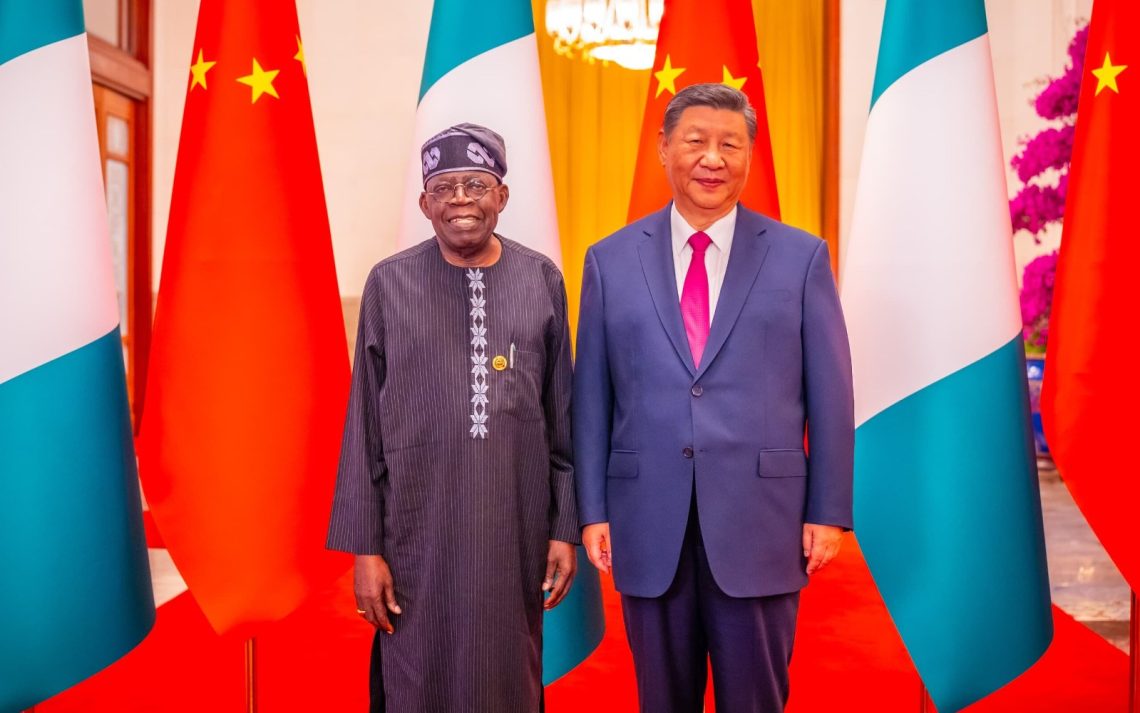
FG Prioritises Security, Diaspora Partnerships for Nigeria’s Development
-
 News14 hours ago
Ibeno Traditional Council Tasks New Village Heads on Peace, Unity
-

 Business9 hours ago
Apple to change app consent rules after German regulator’s concerns
-
 Politics13 hours ago
Osun Election: Adeleke Extends Olive Branch as APC Considers Tribunal Challenge
-
 News10 hours ago
Nigerian Farmers Commend Gettado’s Leadership of AFAN
-
 News11 hours ago
2027: Delta South Deserves Quality Representation, Says Orette
You must be logged in to post a comment Login