
Business and Economy
FG Directs Fuel Marketers to Cut Petrol Prices Amid Falling Crude Oil Costs


By Abigail David
The Federal Government has directed the Nigerian Midstream and Downstream Petroleum Regulatory Authority (NMDPRA) to ensure petroleum marketers do not exploit consumers through excessive fuel pricing despite the deregulated downstream market.
Minister of State for Petroleum Resources (Oil), Senator Heineken Lokpobiri, gave the directive on Monday in Abuja during the NMDPRA General Counsel and Legal Advisers Forum.
Lokpobiri said the recent decline in global crude oil prices following eased tensions in the Middle East should be reflected in lower pump prices for Premium Motor Spirit (PMS), commonly known as petrol. He noted that marketers have yet to reduce prices despite crude oil falling from about $120 to around $72 per barrel.
He stressed that while market forces determine prices under deregulation, the regulator has a statutory duty under the Petroleum Industry Act (PIA) to prevent profiteering and protect consumers. He also directed the NMDPRA to intensify monitoring to ensure motorists receive the exact quantity of fuel paid for at filling stations.
The minister credited fuel supply stability during recent geopolitical tensions to the deregulated downstream sector and increased domestic refining capacity, while urging regulators to promote transparency, regulatory certainty and investment confidence.
NMDPRA Chief Executive Rabiu Umar said the agency remains committed to creating a predictable regulatory environment that supports investment and industry growth.
Meanwhile, depot petrol prices recorded slight reductions across Lagos, Port Harcourt, Calabar and Warri, with adjustments ranging between ₦1 and ₦6 per litre, indicating gradual moderation in the downstream market.
Reacting to the pricing situation, Managing Director of 11 Plc, Osagie Ogedegbe, said the Dangote Refinery currently exerts significant influence on petrol pricing because it is the primary supplier to marketers.
The Nigeria Labour Congress (NLC) also called on the Federal Government to strengthen regulatory oversight, dismantle monopolistic practices and promote genuine competition to ensure Nigerians benefit from lower international crude oil prices.



By Abigail David
Oil prices rose for a third consecutive day on Tuesday, while Asian stocks were mixed as hopes for a US-Iran agreement to reopen the Strait of Hormuz remained uncertain after a truce deadline expired.
Brent crude futures gained 0.4% to $91.22 a barrel, while West Texas Intermediate rose 0.6% to $84.99. Both benchmarks had climbed more than 2% on Monday.
The prolonged Middle East crisis has raised concerns that oil prices could remain elevated, adding to inflationary pressures despite weaker US economic data that has reduced expectations of an immediate Federal Reserve rate hike.
US President Donald Trump said Iran wanted a deal but not on terms he considered acceptable. His envoy and son-in-law, Jared Kushner, said Washington and Tehran were holding active discussions but acknowledged a lack of trust between the two countries.
Trump has also warned of further pressure on Tehran, while US Treasury Secretary Scott Bessent has threatened tougher economic measures against Iran.
The uncertainty weighed on investor sentiment. Seoul stocks initially rose more than 2% after a holiday break but later pared gains, while Tokyo, Hong Kong, Shanghai, Singapore, Taipei and Manila traded lower.
Analysts warned that prolonged geopolitical tensions, higher oil prices and rising long-term US Treasury yields could increasingly weigh on global markets.

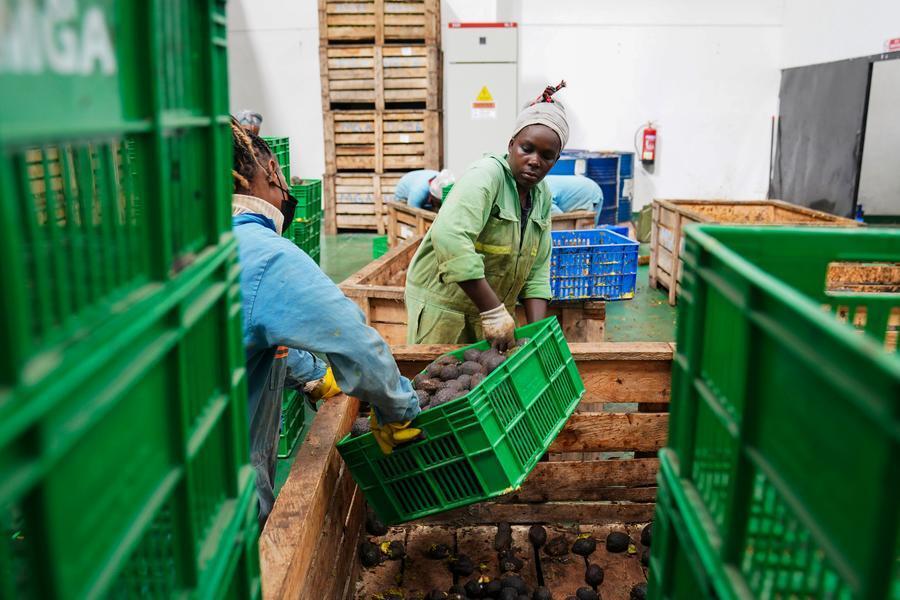
The steady hum of automated production lines echoes through a Chinese-invested avocado oil processing plant in Kenya’s Athi River Export Processing Zone, where freshly harvested avocados are stored, ripened, sorted and cold-pressed into extra virgin avocado oil destined for the Chinese market.
On May 1, China fully implemented a zero-tariff treatment for 53 African countries with which it has diplomatic relations. Over 100 days, a growing range of African products have found their way into the vast Chinese market, helping African countries expand exports, move up the global value chain, and inject fresh momentum into China-Africa economic and trade cooperation.
According to the General Administration of Customs of China, China’s imports from Africa reached 193.8 billion yuan (28.72 billion U.S. dollars) in May and June, up 23.5 percent year-on-year. Imports of avocados, apples and oranges surged by 130 percent, 89.6 percent and 27.9 percent, respectively.
EXPANDING MARKET
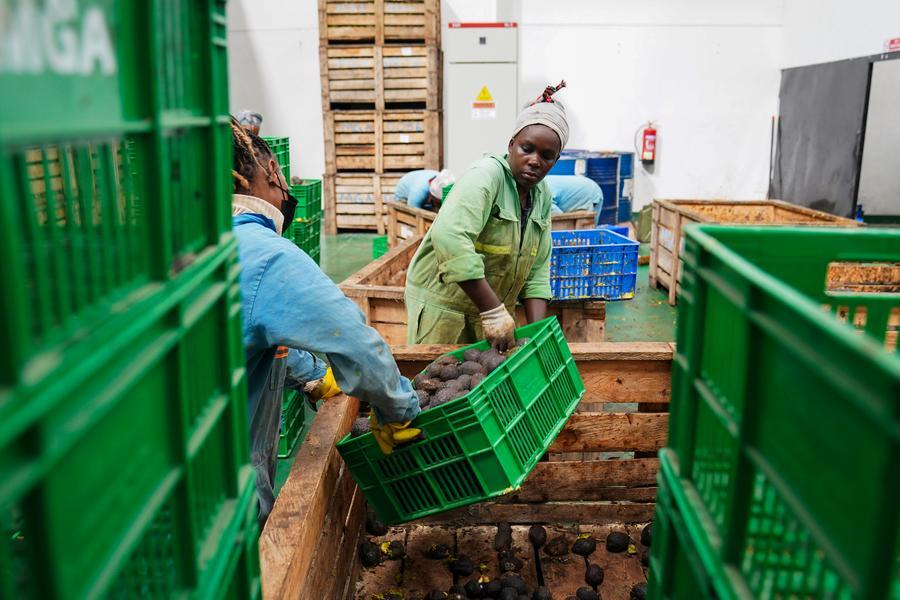
At the stroke of midnight on May 1, 24 tonnes of fresh South African apples passed through customs at China’s Shenzhen Bay Port, becoming the first shipment to benefit from China’s zero-tariff treatment for 53 African countries.
Since then, Kenyan avocados, South African wine, Zimbabwean blueberries and other quality African specialities have made their way onto supermarket shelves across China, bringing the benefits of the treatment closer to consumers’ daily lives.
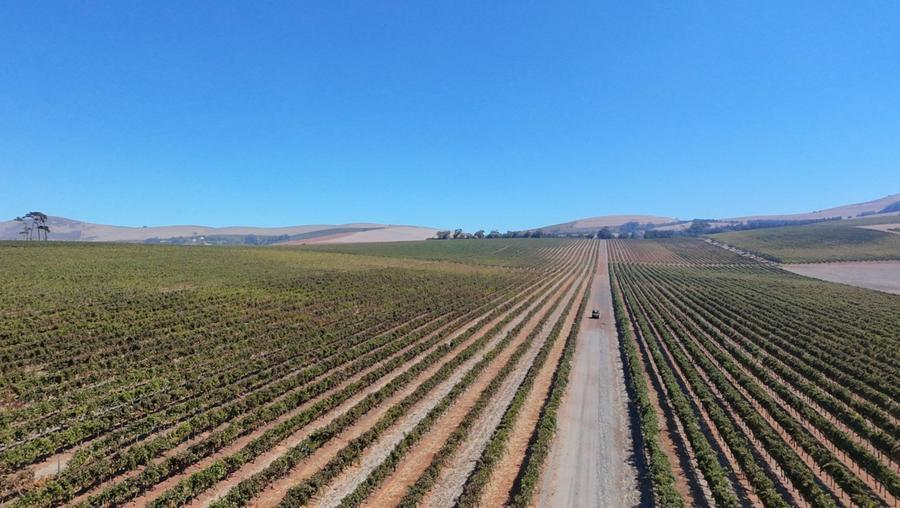
In South Africa’s Cape Winelands, the Diemersdal Wine Estate, with a winemaking history dating back to 1698, has been exporting its wines to China for nearly two decades.
Following the implementation of China’s zero-tariff treatment, “what we have seen is that importers that had imported wines from South Africa have decided to revisit the category and have shown interest again,” Steffi Layer, international marketing and sales manager at Diemersdal Wine Estate, told Xinhua.
“We have some shipments that will go out to get to China before the end of the year, in time for Chinese New Year,” Layer said, adding that these shipments would “absolutely” benefit from the zero-tariff treatment, “since the pricing will be more competitive than before.”
Beyond tariff reductions, China has in recent years expanded market access for African exports through “green channels” and other trade facilitation measures. Since late April, China has granted unified regional quarantine market access to African dry chilies, coffee beans, cashew nuts and wild aquatic products, bypassing separate bilateral negotiations.
Buoyed by the preferential tariff treatment, Zimbabwe exported its first-ever consignment of blueberries to China in July, marking a major milestone for the country’s horticulture industry and opening the door to one of the world’s largest consumer markets.
The zero-tariff treatment is one of the most significant trade openings Zimbabwean exporters have been offered in recent years, Allan Majuru, chief executive officer of the national trade promotion body ZimTrade, wrote in a newspaper column in June.
“Access to China opens room for increased production, stronger cold-chain infrastructure, better packaging, more certification capacity and expanded employment along the value chain,” Majuru said.
INDUSTRIAL UPGRADING
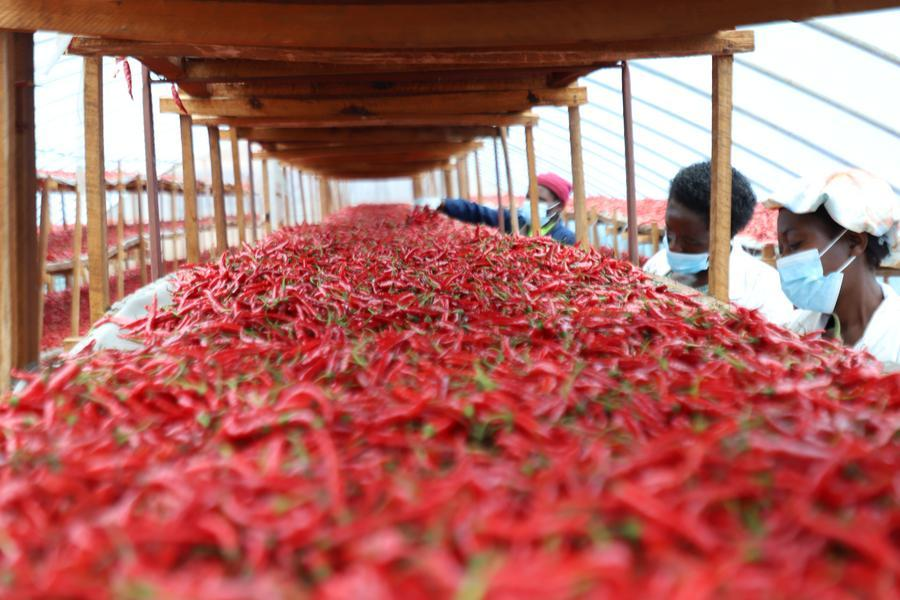
At Fisher Global’s chili processing plant in the Rwamagana Industrial Park in Rwanda’s Eastern Province, rows of bright red chilies are neatly laid out to dry, filling the air with a gentle, spicy aroma.
The company began exporting dried chili to China in 2022. Boosted by China’s zero-tariff treatment, it successfully exported its first batch of 550 kg of pickled chili to a food company in east China’s Shandong Province in June, marking a shift from exporting raw materials to higher-value semi-processed products, said Herman Uwizeyimana, general manager of Fisher Global.
“The zero-tariff treatment has breathed new life into our chili business,” Uwizeyimana told Xinhua. “Over the past three months, I’ve been in contact with several new Chinese buyers. Some want to use them in hot pot, while others want to use them for instant noodle seasonings.”
“This new venture has opened up broader markets for Rwandan chili exports and has set higher standards for our company’s product selection and quality,” Uwizeyimana said. “In the future, we hope that Rwanda’s high-quality chili and its processed products will find their way onto the dining tables of more Chinese people.”
“For Rwandan exporters, especially small and medium-sized enterprises, this (zero-tariff treatment) creates a more competitive business environment where price is no longer as significant a barrier as before,” said Robert Rukundo, chairperson of the Horticulture Exporters Association of Rwanda.
“Companies are increasingly investing in improving product quality, packaging, certification and compliance with international standards to meet the preferences of Chinese consumers,” he said.
Across the East African Highlands, the coffee industry is undergoing a similar transformation toward higher-value production. At Awo Coffee’s processing plant on the outskirts of Addis Ababa, the capital of Ethiopia, workers move with practiced efficiency as bags of freshly roasted coffee beans roll off the production line and onto trucks bound for the airport. Within days, the rich aroma of Ethiopian Arabica reaches the cups of Chinese consumers.

According to Awo Coffee General Manager Tesfaye Gebru, about 90 percent of the firm’s roasted products are shipped to China each year. In 2024 alone, the company exported 140 tonnes of green coffee beans and 20 tonnes of processed coffee products to China, with an annual growth of around 10 percent.
Describing the zero-tariff treatment as a “win-win approach” that delivers long-term benefits to the people of China and Africa, Gizat Worku, general manager of the Ethiopian Coffee Exporters Association, said that China was expected to become the biggest destination for Ethiopian coffee in the coming three years, driven by rapidly growing demand, particularly for specialty coffee.
“The real impact (of China’s zero-tariff treatment) should not be measured only by the volume of exports during the first 100 days. We should also look at whether African businesses are improving their quality standards, packaging, certification and production capacity,” said Paul Frimpong, executive director of the Ghana-based Africa-China Center for Policy and Advisory.
“For Ghana, this is a major opportunity because we should not continue exporting mainly raw cocoa beans, raw cashew nuts, and other unprocessed products. We need to process, package, and brand more of these goods locally before exporting them. That will allow us to retain more value and create more jobs at home,” Frimpong said.
Frimpong’s view was echoed by African Union Chairperson and Burundian President Evariste Ndayishimiye, who said that China’s zero-tariff treatment offers significant opportunities for African countries by contributing to “higher incomes for our products, the creation of sustainable jobs for our youth, and, above all, the development of local processing so that added value remains on the African continent.”
JOINT PURSUIT OF MODERNIZATION
In a recent interview with Xinhua, Cabo Verdean President Jose Maria Neves said that against the backdrop of mounting restrictions on international trade, China’s further opening up to Africa will play a positive role in the continent’s economic growth.
“The treatment puts in practice the shared goal of China and Africa to advance modernization by complementing economic structures of both sides — China offers the market; Africa gets industrialization equipment to modernize, they mutually benefit,” said James Shikwati, a Kenyan economist.
Yu Jia, a research fellow at the Institute of New Structural Economics at China’s Peking University, said the zero-tariff treatment is not a one-off, short-term tariff concession, but marks a new stage in China-Africa economic and trade cooperation, driven by institutional opening-up.
“For African businesses and multinational investors alike, predictability itself is a valuable resource for development,” Yu said.
Official data showed China’s exports of electromechanical products to Africa reached 534.11 billion yuan (79 billion dollars) in the first half of 2026, up 28.8 percent year-on-year. About 75 percent of China’s exports to Africa are capital and intermediate goods, mainly productive inputs that support Africa’s industrialization and agricultural modernization.
“What China offers Africa is not simply aid. It offers Africa an opportunity for transformation through production, industrialization and trade,” said Charles Onunaiju, director of the Center for China Studies in Nigeria.
“Combined with platforms such as the China International Import Expo and other China-Africa trade initiatives, I believe the zero-tariff treatment will further expand bilateral trade and contribute to a more balanced, sustainable and mutually beneficial economic partnership,” said Humphrey Moshi, an economics professor at the University of Dar es Salaam in Tanzania.
(Video reporters: Zhang Jian, Dai He, Hua Hongli, Li Zhuoqun, Wang Hao, Liu Fangqiang, Zeng Tao, Bao Jiayi, Zheng Mengyu, Si Yuan, Deng Bingxue, Wang Lei, Wang Xiaomei, You Huiyuan, Hong Zehua, Xu Zheng, Yang Dingdu, Gui Tao, Adewale Amzat; Video editors: Hong Yan, Roger Lott, Luo Hui, Liu Yutian)
Business and Economy
World Bank Urges Developing Nations to Adopt AI for Growth and Better Governance
By Abigail David
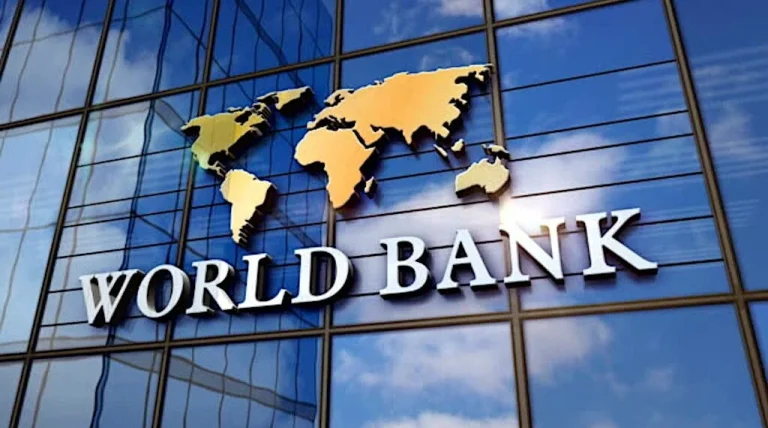
The World Bank has urged developing countries to embrace artificial intelligence (AI), saying the technology offers a major opportunity to improve public services, strengthen governance and boost economic growth. The warning came as the organisation launched its latest World Development Report on Tuesday.
According to the World Bank’s Chief Economist, Indermit Gill, developing economies do not need expensive AI models or massive data centres to benefit from the technology. Instead, they can adapt affordable AI solutions to improve healthcare, education, agriculture and justice systems.
The report says AI could help developing countries recover from years of weak economic growth by expanding access to essential services and improving productivity. It recommends investing in reliable electricity, computing infrastructure and locally relevant data to support AI adoption.
The World Bank also highlighted practical examples, including AI-powered diabetes screening in Bangladesh and advanced weather forecasting tools that help reduce costs for farmers in India. It noted that AI solutions should be designed to suit local needs, including voice-based services for people without smartphones or literacy skills.
However, the report cautioned that AI also presents risks. Without proper safeguards, it could widen inequality, reduce trust in public institutions, increase market concentration and threaten privacy. It also warned that AI could eventually replace some middle-income jobs if governments fail to prepare workers for the changing economy.

24 Bandits Killed As Army, DSS, Vigilantes Foil Mass Kidnap in Katsina Community, Rescue Victims
KADSG Faults ADC Guber Candidate’s Criticism, Defends Sani’s Education Funding Records

NDLEA Arrests Alleged Cocaine Trafficking Kingpin at Lagos Airport
-

 News13 hours ago
BUDGET OFFICE OF THE FEDERATIONRESPONSE TO THE 2026 U.S. DEPARTMENT OF STATE FISCAL TRANSPARENCY REPORT ON NIGERIA
-
 News15 hours ago
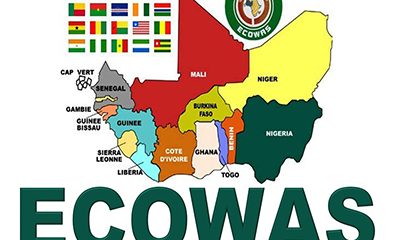
Beyond the ECOWAS–AES Divide: Rethinking Regional Cooperation, Peace and Security in West Africa
-

 News15 hours ago
Tinubu Committed to Transforming Nigeria’s Electricity Sector, Says Power Minister
-
 Crime11 hours ago
NDLEA Arrests Alleged Cocaine Trafficking Kingpin at Lagos Airport
-

 News16 hours ago
Mangu Killings: ADC Governorship Candidate Calls for Immediate Security Action
-

 News15 hours ago
Tinubu Urges Politicians to Avoid Divisive Politics Ahead of 2027 Elections
-

 News15 hours ago
Delta to Train 1,000 Youths in Agribusiness to Boost Agriculture
-

 News15 hours ago
24 Killed, Three Injured in Fresh Attack on Plateau Community
You must be logged in to post a comment Login