
Health
Why accident victims beg for water—and why you shouldn’t give it to them, according to a nurse


By Abigail David
People who witness road accidents often want to help injured victims by offering them water, especially when the person repeatedly asks for a drink. However, emergency medical guidance generally advises against giving food or water to someone who has suffered a serious injury before they are assessed by healthcare professionals.
A recent viral social media video by a nurse has renewed discussion about the issue. While some of the explanations in the video align with established first-aid recommendations, one claim—that drinking water “thins the blood” and prevents clotting—is not supported by current medical evidence.
Why medical professionals usually avoid giving water
1. It may increase the risk of choking
A person involved in a serious accident may have sustained head, neck or spinal injuries that affect their ability to swallow safely. Even if they are conscious, water could enter the airway instead of the stomach, leading to choking or aspiration, where fluid enters the lungs.
2. Emergency surgery may be required
Trauma patients sometimes need urgent surgery under general anaesthesia. Having food or liquid in the stomach increases the risk of aspiration during the procedure, which can cause serious complications. For this reason, hospitals generally prefer patients to remain without food or drinks until they have been assessed.
3. The “water thins the blood” claim lacks evidence
The viral claim that drinking water prevents blood from clotting is not supported by current medical evidence. Blood clotting depends on complex biological processes, and there is no established evidence that a small amount of water interferes with clot formation in trauma patients.
Why accident victims feel thirsty
Feeling thirsty after a serious injury is common and may result from blood loss, shock, pain, anxiety or dry mouth. However, thirst alone does not mean it is safe to drink water immediately.
What you should do instead
If you encounter an accident victim:
- Call emergency medical services immediately.
- Keep the injured person as still as possible, especially if a neck or spinal injury is suspected.
- Reassure the person and monitor their breathing and consciousness.
- If their lips are dry, gently moisten them with a clean, damp cloth rather than giving them water, provided it does not interfere with their airway.
- Do not give food or drinks to anyone who is drowsy, confused or losing consciousness.
Emergency care experts generally recommend waiting for trained medical personnel to assess the injured person before offering anything by mouth.

By Joyce Remi- Babayeju
The Nigeria Centre for Disease Control and Prevention (NCDC) has placed Nigeria on alert over possible importation of Ebola transmission outbreak in the DRC and Uganda, international travel and population movement as well as the uncertainty regarding the full magnitude of the outbreak.
NCDC placed Nigeria as a high risk country following the agency’s assessment which estimated the risk of Ebola importation into Nigeria to be high, also identified high-risk states, border communities, major transport hubs, and Points of Entry (PoEs).
According to a public health advisory issued on Sunday in Abuja, Director-General of NCDC, Dr. Jide Idris noted that NCDC is intensifying it’s national coordination activities to strengthen Ebola preparedness and rapid response capacity across the country, while the National Emergency Operations Centre (EOC) is on the alert mode for heightened preparedness.
Dr. Jide noted that although Nigeria has not recorded any confirmed case of Ebola Virus Disease (EVD) from the current regional outbreak presently, in view of the Public Health Emergency of International Concern (PHEIC) declaration by the WHO, and the rising no of cases in DRC and Uganda, our surveillance and preparedness activities continue across the country.
Idris observed that NCDC has intensified event-based surveillance and epidemic intelligence activities across the country, including enhanced monitoring of alerts, rumours, and unusual public health events to support early detection, reporting, and response activities.
He urged travellers arriving from countries with confirmed Ebola cases to monitor their health for 21 days and immediately report symptoms such as fever, weakness, vomiting or unexplained bleeding.
Idris also called on Healthcare workers to maintain a high index of suspicion and strictly comply with infection prevention protocols, including proper use of PPE and immediate isolation of suspected cases.
He highlighted other measures taken by the agency to include coordination with State Epidemiologists, Disease Surveillance and Notification Officers (DSNOs), surveillance teams, and healthcare facilities continues nationwide to strengthen preparedness and ensure timely detection and reporting of suspected cases.
Idris disclosed that the National Incident Management System (IMS) has been activated with, clearly defined coordination, reporting, and escalation pathways while NCDC and partners are also mapping and preparing for prepositioning of critical response commodities, including PPES, IPC supplies, body bags, laboratory consumables, and emergency medical supplies in strategic locations.
According to him, Nigeria still maintains existing laboratory testing capability in States with international Ports of Entry (PoE) amid public health laboratory network, with surge capacity and optimization for Ebola Virus Disease testing available if required.


World Bank Urges Developing Nations to Adopt AI for Growth and Better Governance

Why accident victims beg for water—and why you shouldn’t give it to them, according to a nurse

Wike Says Rivers Crisis Ended Fubara’s Second-Term Ambition
-

 News11 hours ago
Nigeria Police Academy WhatsApp Channel Surpasses 50,000 Subscribers, Tops Security Agencies’ Digital Platforms
-

 News11 hours ago
Ogobiri Youths Seek Stronger Police Partnership to Enhance Community Security
-
Uncategorized22 hours ago
DSS Compensation Initiative Sets Standard for Security Agencies – Dantani
-

 News10 hours ago
Okonjo-Iweala Urges Delta State to Build Globally Competitive Investment Economy
-

 Opinion11 hours ago
Understanding the Rationale Behind New Guidelines for Hajj and Umrah Private Tour Operators
-

 Business and Economy6 hours ago
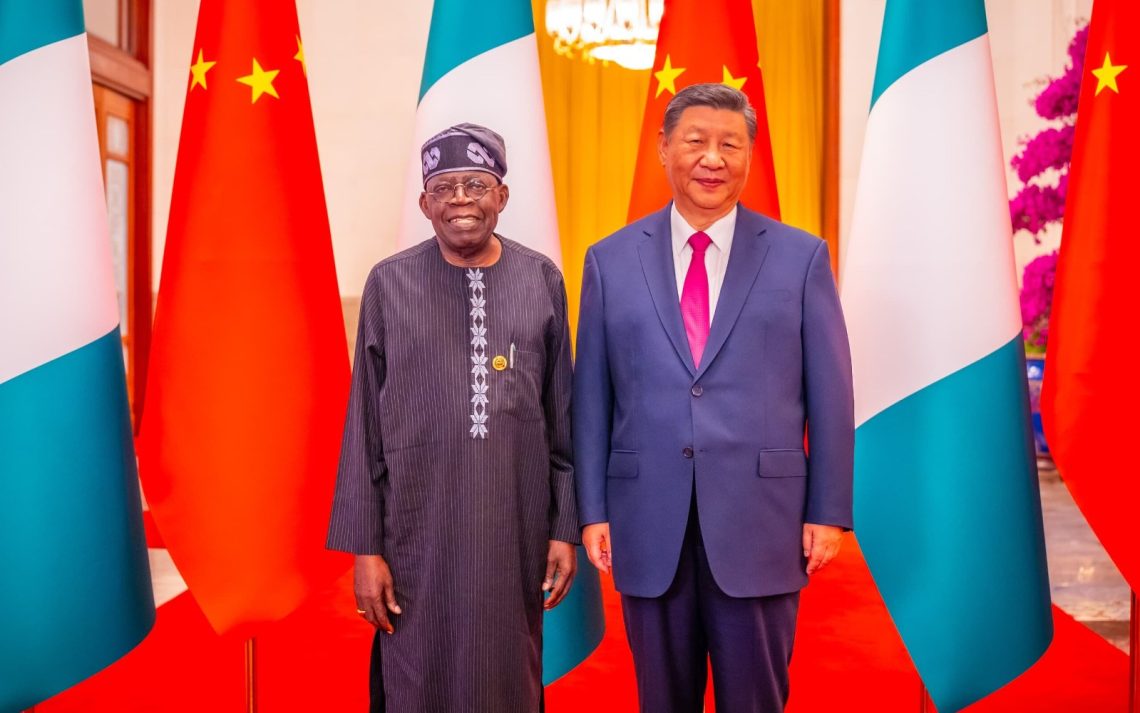
Tinubu Invites China to Partner with Nigeria on Geophysical Data to Boost Blue Economy
-

 News10 hours ago
FG Plans Multipurpose Dam to Improve Water Supply, Agriculture in Plateau Communities
-

 News10 hours ago
Shettima, Soludo Back Oborevwori’s Investment Drive at Delta Economic Summit
You must be logged in to post a comment Login