
Opinion
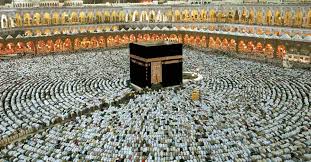
Understanding the Rationale Behind New Guidelines for Hajj and Umrah Private Tour Operators

By Ibrahim Muhammad, National Coordinator, Independent Hajj Reporters
Saudi Arabia’s ongoing reforms in Hajj and Umrah administration reflect a broader effort to improve service quality, strengthen consumer protection and align pilgrimage operations with the Kingdom’s Vision 2030, according to Ibrahim Muhammad, National Coordinator of Independent Hajj Reporters.
In this opinion article, Muhammad argues that the Kingdom’s revised operational requirements for Hajj and Umrah operators are aimed at reducing the number of service providers while ensuring that only financially capable and professionally managed companies participate in pilgrimage operations.
He cites Bangladesh’s regulatory framework as an example, noting that operators must meet minimum pilgrim quotas, use government-approved digital registration systems and clearly disclose package costs and services to prospective pilgrims.
The author also examines the National Hajj Commission of Nigeria’s (NAHCON) recently introduced licensing guidelines, including the requirement for a ₦250 million bank guarantee. He contends that the guarantee is intended to protect pilgrims rather than generate revenue, as it serves as a financial safeguard if an operator fails to fulfil contractual obligations.
Muhammad further advocates longer licence validity for private operators, suggesting Nigeria adopt a three-year licensing model similar to Pakistan’s while retaining annual compliance reviews.
He concludes that regulators, private operators and other stakeholders must work together to adapt to Saudi Arabia’s evolving regulatory framework, arguing that stronger standards and greater transparency will ultimately benefit Nigerian pilgrims and the Hajj industry.
This article is an opinion piece. The views expressed are those of the author and do not necessarily reflect those of this publication.

Opinion
Presidency Defends Tinubu’s Reforms, Criticises Catholic Bishops’ Comments on National Issues
By Sunday Dare
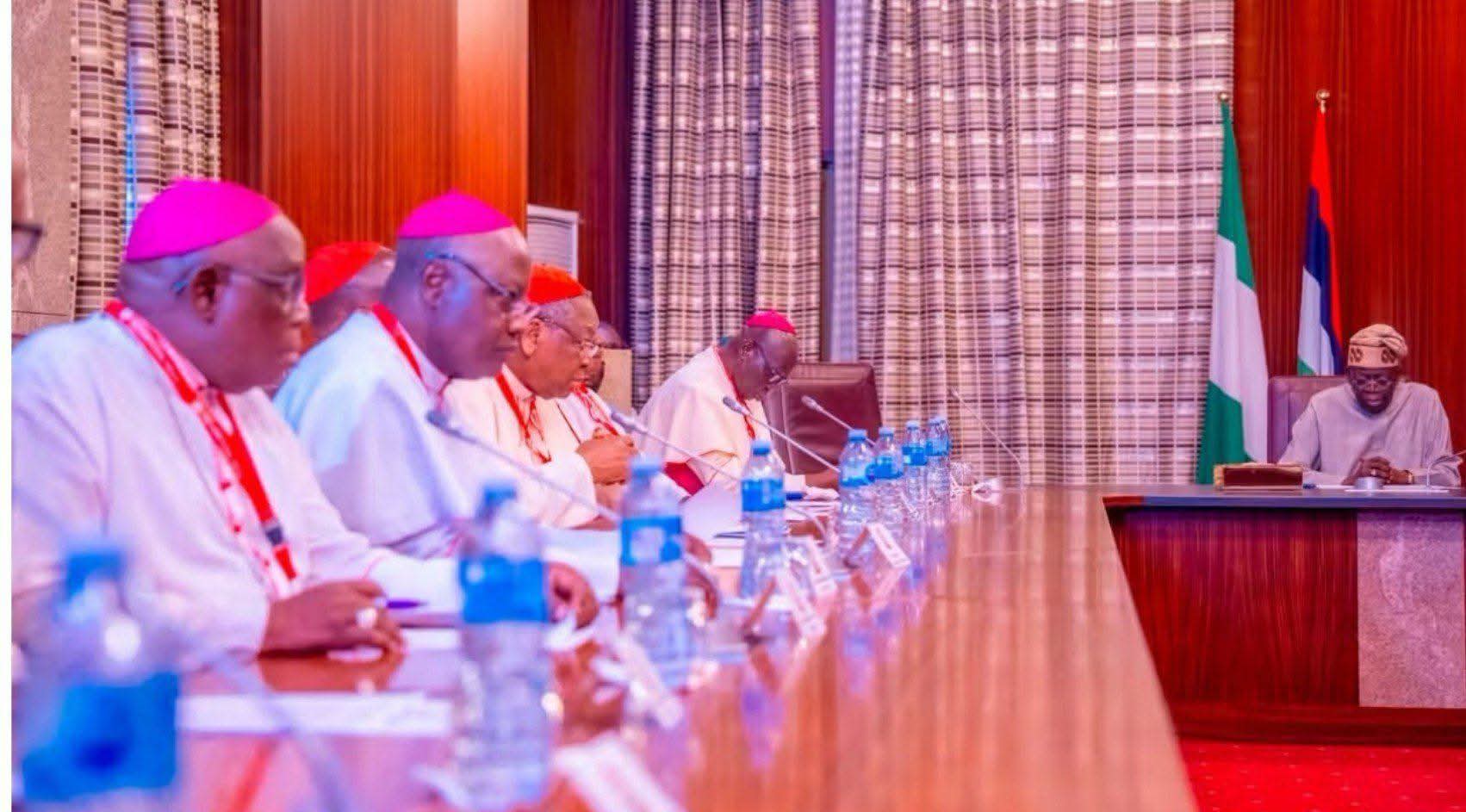
The Presidency has defended the policies of President Bola Ahmed Tinubu, accusing the leadership of the Catholic Bishops’ Conference of Nigeria (CBCN) of adopting what it described as a partisan stance in its recent public comments on national issues.
In an opinion article, Special Adviser to the President on Media and Public Communications, Sunday Dare, argued that religious leaders should maintain moral neutrality when engaging in political discourse. He said the bishops’ comments following a meeting with President Tinubu at the State House reflected opposition viewpoints rather than balanced national engagement.
Dare defended the administration’s economic reforms, including the removal of petrol subsidy and the unification of the foreign exchange market, describing them as necessary measures to address fiscal challenges inherited by the government in 2023.
He also cited increased allocations to states, reforms in public finance, the Nigerian Education Loan Fund (NELFUND), agricultural interventions and ongoing infrastructure projects as evidence of progress under the Tinubu administration.
The presidential aide further criticised comments attributed to Archbishop Emeritus John Cardinal Onaiyekan regarding governance and the 2027 elections, maintaining that President Tinubu remained committed to democratic principles and institutional integrity.
The article urged religious leaders to contribute constructive solutions to national challenges while preserving their independence from partisan politics.
The views expressed in the article are those of the author, who serves as Special Adviser to the President on Media and Public Communications.
By Ibrahim Muhammad
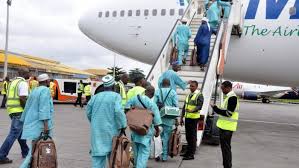
The introduction of new licensing and operational guidelines by the National Hajj Commission of Nigeria (NAHCON) signals a broader push to strengthen regulation of private Hajj and Umrah operators and improve accountability, service delivery and consumer protection.
The reforms come amid similar regulatory efforts in countries including Pakistan and Indonesia, where authorities have introduced stricter licensing, financial controls and operational requirements for private pilgrimage operators.
The guidelines are expected to address concerns over service standards, financial transparency and the activities of unlicensed operators in Nigeria’s Hajj and Umrah industry. In Pakistan, recent reforms require private Hajj operators to meet financial and corporate governance standards, undergo performance reviews and operate through a central digital platform for pilgrim registration, payments and quota management.
The framework also requires operators to meet minimum operational thresholds and comply with service agreements covering areas such as accommodation, transportation, medical support, refunds and consumer protection. Indonesia, meanwhile, requires private Hajj operators to obtain regulatory approval for proposed package costs and meet government standards on pricing and service delivery.
These developments point to a wider shift towards digital accountability, financial transparency and stronger oversight of private pilgrimage services. As NAHCON implements its new framework, stakeholders will be watching to see whether it improves service delivery, curbs unlicensed operations, promotes fair competition and creates a more sustainable environment for legitimate Hajj and Umrah operators.
Ibrahim Muhammad is the National Coordinator of Independence Hajj Reporters (IHR).
Part Two will examine the reforms and their implications for Nigeria’s private Hajj and Umrah industry.

By Shemudara Blessing Morayo
As Nigeria prepares for the 2027 general elections, concerns about insecurity have become central to discussions about democratic governance. Elections provide citizens with the opportunity to choose their leaders through a free, fair and credible process. However, the ability of Nigerians to exercise this constitutional right depends largely on whether voters, electoral officials and security personnel can participate without fear of violence or intimidation.
Nigeria’s security challenges have become increasingly complex over the past decade. The country continues to face insurgency in the North-East, banditry and kidnapping in the North-West, farmer-herder conflicts in parts of the North-Central, separatist agitations and attacks on public institutions in the South-East, as well as piracy, militancy and other criminal activities in the Niger Delta. Rising urban crime also poses challenges in several major cities.These overlapping threats have displaced communities, disrupted livelihoods and strained the capacity of security agencies. In some areas, insecurity has also affected education, healthcare and civic participation, raising concerns about the organisation of peaceful elections.
Electoral violence has historically been a recurring feature of Nigeria’s democratic experience. Since the return to civilian rule in 1999, some elections have been marred by voter intimidation, destruction of electoral materials, attacks on polling units and clashes between political supporters.
Although reforms by the Independent National Electoral Commission (INEC), including the use of the Bimodal Voter Accreditation System (BVAS) and electronic transmission of results, have strengthened aspects of the electoral process, technology alone cannot guarantee peaceful elections. Security remains fundamental to electoral credibility.One major concern ahead of 2027 is voter turnout. Citizens in conflict-affected communities may be reluctant to visit polling centres because of fears of attacks, kidnapping or violent confrontations. Internally displaced persons (IDPs) have also faced difficulties exercising their voting rights after being forced from their communities.
If insecurity persists, significant numbers of eligible voters could be unable or unwilling to participate, potentially affecting the inclusiveness and legitimacy of electoral outcomes. Democracy depends on broad participation, and any situation that discourages citizens from voting poses a threat to democratic consolidation.
The safety of electoral officials is another critical concern. Election administrators, ad hoc staff and logistics personnel are responsible for transporting sensitive materials and conducting elections across thousands of polling units. Insecurity can make these activities particularly difficult in remote and conflict-prone areas.
Delays, cancellations or suspension of voting in affected communities could increase political tensions and fuel allegations of voter suppression or electoral manipulation. This makes effective security planning essential. Political actors must also play their part. The use of armed groups, political thugs and criminal networks during election periods has historically contributed to violence. Hate speech, misinformation and inflammatory rhetoric can further deepen political divisions.
As political campaigns for the 2027 elections intensify, political parties and candidates must adhere to electoral laws, respect democratic norms and discourage their supporters from engaging in violence. Peaceful elections require not only effective security institutions but also responsible political leadership.The role of security agencies will be decisive. The Nigeria Police Force, Armed Forces, Department of State Services, Nigeria Security and Civil Defence Corps and other relevant institutions must work together to protect voters, electoral personnel and infrastructure before, during and after the elections. Their responsibilities should include intelligence gathering, threat assessment, crowd management and the protection of electoral facilities.
Professionalism, impartiality and respect for human rights will also be essential to maintaining public confidence in security operations. INEC must equally strengthen collaboration with security agencies and other stakeholders. Early risk assessments, contingency planning and sustained engagement with local communities can help reduce vulnerabilities in areas prone to violence.
Civil society organisations, religious leaders, traditional rulers, youth groups and the media also have important roles to play. Through voter education, peacebuilding, fact-checking and responsible reporting, these stakeholders can help counter misinformation and encourage peaceful participation.Technology presents both opportunities and challenges for election security. While digital innovations have improved aspects of voter accreditation and result management, social media platforms can also facilitate the rapid spread of misinformation and inflammatory content.
Unverified information circulating during elections can create panic and trigger unrest, particularly in communities already affected by insecurity. Government institutions, civil society organisations and technology companies should therefore promote digital literacy, fact-checking and responsible online engagement while respecting freedom of expression.
Whether Nigerians can vote safely in 2027 will ultimately depend on the willingness of all stakeholders to address insecurity proactively. Security agencies need adequate funding, training, equipment and intelligence capabilities to respond effectively to evolving threats.
Political leaders must prioritise national stability over partisan interests, while citizens should reject electoral violence and demand accountability from those seeking public office. Beyond election security, long-term investments in good governance, education, youth employment, poverty reduction and justice sector reforms are also necessary to address some of the structural conditions that contribute to insecurity.
Insecurity remains one of the major threats to Nigeria’s democratic future as the country approaches the 2027 general elections. However, the challenges are not insurmountable.Through coordinated security operations, credible electoral administration, responsible political conduct, active civic participation and sustained institutional reforms, Nigeria can create an environment where citizens are able to participate freely and safely in the democratic process.
The success of the 2027 elections should not be measured solely by the declaration of winners. It should also be judged by the extent to which eligible Nigerians can exercise their right to vote without fear. Ensuring electoral security is therefore not merely a security objective; it is a democratic imperative that will shape Nigeria’s political stability and democratic legitimacy for years to come.
Shemudara Blessing Morayo is a graduate of Veritas University, Bwari, Abuja, and is currently serving as a National Youth Service Corps (NYSC) member at the Institute for Peace and Conflict Resolution (IPCR). She can be reached at [shemudarablessing2002@gmail.com](mailto:shemudarablessing2002@gmail.com).


World Bank Urges Developing Nations to Adopt AI for Growth and Better Governance

Why accident victims beg for water—and why you shouldn’t give it to them, according to a nurse

Wike Says Rivers Crisis Ended Fubara’s Second-Term Ambition
-

 News10 hours ago
Nigeria Police Academy WhatsApp Channel Surpasses 50,000 Subscribers, Tops Security Agencies’ Digital Platforms
-
 News9 hours ago
Ogobiri Youths Seek Stronger Police Partnership to Enhance Community Security
-

 News23 hours ago
Affidavit, Newspaper Publication May No Longer Be Enough for Name Changes in Nigeria
-
Uncategorized23 hours ago
Alleged cybercrime: Again, DSS prays court to foreclose Sowore’s defence for allegedly frustrating trial
-
 News24 hours ago
Falana Urges IG to Probe Mary Habila, Babatunde Tanimola’s Deaths
-
 Politics24 hours ago
2027: Dele Momodu Urges Tinubu to Campaign on Administration’s Performance
-

 Entertainment23 hours ago
Adam Zango’s Genotype Explanation for Sixth Divorce Sparks Online Debate
-
Uncategorized21 hours ago
DSS Compensation Initiative Sets Standard for Security Agencies – Dantani
You must be logged in to post a comment Login