
..Two-day side event in Johannesburg seeks to mobilize global capital and deepen intra-African investment.
Africa’s infrastructure challenges and investment opportunities will take center stage when global leaders, financiers and development experts gather in Johannesburg for a high-level side event ahead of the G20 Summit in November.
In a press release signed by its president/CEO, Dr. Alfred Chiakor, and made available to journalists in Abuja, the Africa Think Tank for Infrastructure Development (ATTID) announced that it will host the Infrastructure and Sustainable Development Side Event on Nov. 20–21 at the Capital Empire Hotel in Sandton.
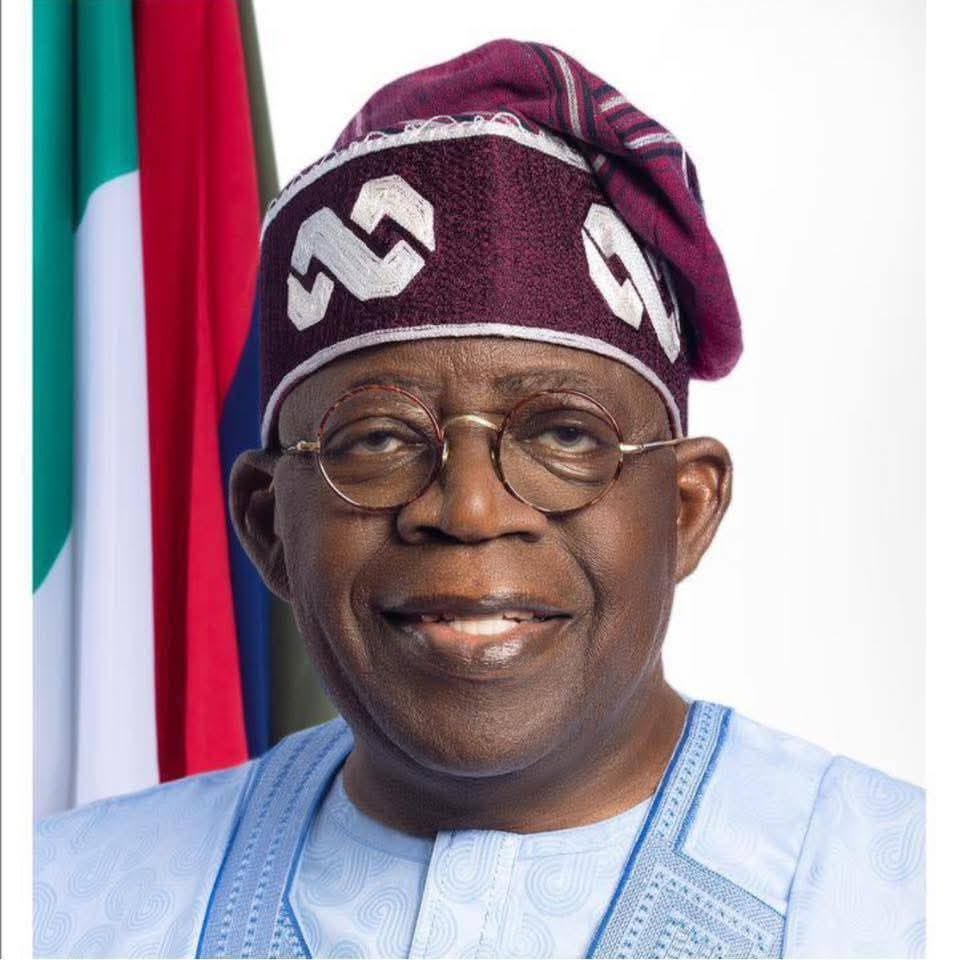
The meeting, themed “Enhancing Africa’s Infrastructure Transformation Agenda through Investments and Partnership,” will proceed the Nov. 22–23 G20 Summit of industrialized natio South Africa under the chairmanship of former President of the United Republic of Tanzania, His Excellency, Dr. Jakaya Mrisho Kikwete, with Nigeria’s President Bola Ahmed Tinubu as Special Guest of Honour and Irina Unkovski , international PPP and infrastructure specialist, as the Keynote speaker.
Organizers say the forum will bring together world leaders, executives of international development agencies, global banks, private investors, and regional economic commissions to chart a roadmap for transforming Africa’s infrastructure backbone. The gathering is expected to set the tone for deeper global partnerships at the G20 and beyond.
Africa’s infrastructure deficit remains one of the continent’s biggest barriers to growth, according to ATTID. The African Development Bank estimates that the region needs between $130 billion and $170 billion annually to meet its development goals in energy, transportation, water, sanitation, and urban systems. Poor infrastructure, officials note, has already cost African economies up to 40% in productivity losses and sliced two percentage points off annual growth.
Despite these gaps, the investment picture is shifting. Foreign direct investment (FDI) flows to Africa climbed from $53 billion in 2023 to $97 billion in 2024, or about 6% of global FDI, UN Trade and Development data show. North Africa led the inflows, buoyed by energy and transport projects, while sub-Saharan Africa saw rising intra-regional investment from players such as Dangote Group, MTN, and leading Nigerian banks.
Still, the continent faces steep hurdles. The World Bank reports that 22 African countries are at high risk of debt distress, and sub-Saharan Africa’s median debt-to-GDP ratio has nearly doubled since 2010. Weak road networks, underperforming railways, and costly transport logistics continue to stifle regional trade, which accounts for just 31% of commerce compared with 53% in emerging Asia.
ATTID leaders argue that innovative financing and partnerships are crucial. The side event will highlight successful models such as Egypt’s $10 billion Ras El Hekma megaproject with the United Arab Emirates, Ethiopia’s light rail system, and the AfDB-backed Enugu-Bamenda Highway linking Nigeria and Cameroon. Such initiatives, they say, prove Africa can deliver high returns for investors while addressing pressing development needs.
The forum’s agenda includes business sessions on financing models, regional linkages, and public-private partnerships. Organizers expect the meeting to generate new investment pipelines, strengthen advocacy for infrastructure funding, and foster collaboration between governments, international lenders, and private sector stakeholders.
“The side event provides an auspicious window to deepen intra-African and global investment,” said Dr. Chiakor. “It is a clarion call to investors to tap into Africa’s infrastructure transformation that promises enduring returns.”
By the close of the two-day summit, ATTID hopes to secure commitments that will accelerate Africa’s integration into global value chains and position infrastructure development as a pillar of sustainable growth. Observers say the discussions in Johannesburg could shape Africa’s economic trajectory for decades, and help ensure the continent’s fast-growing population of 1.5 billion people benefits from inclusive development. He maintained.