
News
ALIA’S PROBE REPORT: A DESPERATE WITCH-HUNT OF ORTOM ADMINISTRATION & A DISTRACTION FROM 3 YEARS OF FAILED GOVERNANCE

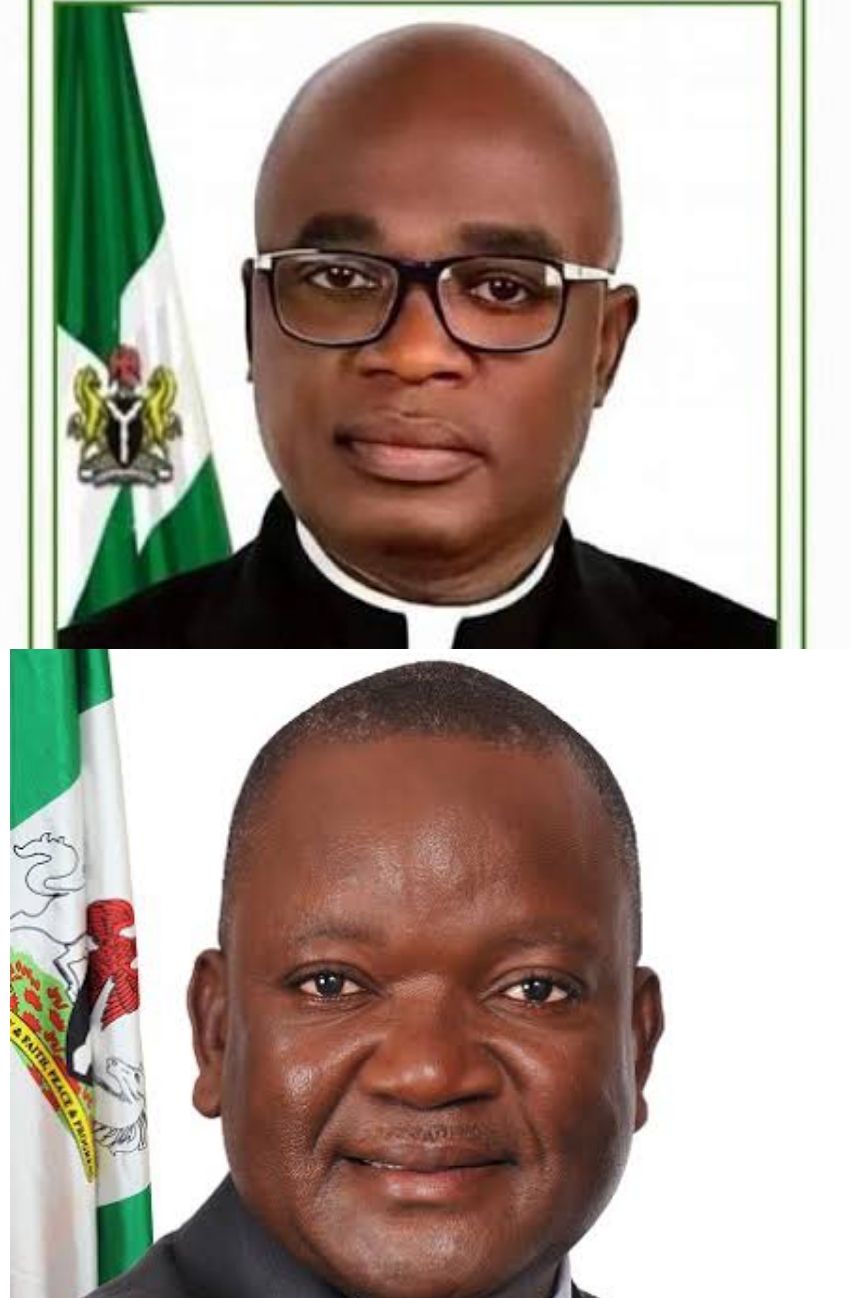
The attention of the immediate past Governor of Benue State, Chief Samuel Ortom has been drawn to the fanfare surrounding the submission of the report of the so-called Benue State Income and Expenditure Commission of Inquiry to the Benue State Government.
Ordinarily, Chief Ortom would have ignored yet another episode in the Hyacinth Alia administration’s continued obsession with his predecessor’s government. However, the desperate attempt to confer legitimacy on a process that is fundamentally flawed, legally challenged, and politically motivated compels a response.
Let it be stated clearly that what the people of Benue witnessed today was not an exercise in accountability. It was the culmination of a carefully scripted political witch-hunt designed from the outset to indict the government of Chief Samuel Ortom at all costs.
The public may recall that the Alia administration initially constituted two probe panels to investigate the immediate past administration. Those panels became the subject of legal challenge, and notices were duly served on the government. Rather than allow the courts to determine the issues raised, the administration dissolved the original panels and constituted a new one under a different name.
Even the current Commission whose report was presented today was served with notices arising from pending legal proceedings challenging the legitimacy of the exercise.
More importantly, there is a subsisting matter before the Court of Appeal on the same issues, with hearing scheduled for June 29, 2026. In addition, the Benue State Government itself approached the Supreme Court to challenge an Appeal Court decision that nullified the constitution of its probe panels established to investigate the previous administration.
The matter appeal remains pending before the apex court.
It is therefore astonishing that a government which voluntarily submitted itself to the jurisdiction of the courts would, in the same breath, proceed as though those judicial processes do not exist. This conduct betrays a disturbing lack of confidence in the judiciary and amounts to executive rascality of the highest order.
Rather than await the outcome of matters pending before competent courts, Governor Alia and his administration chose to abandon the path of law and embark on a media spectacle intended to achieve through propaganda what they have been unable to achieve through due process.
The timing of this so-called report is not accidental.
After three years in office, Governor Alia’s administration has little to showcase in terms of tangible achievements. Faced with mounting public concerns over insecurity, the plight of internally displaced persons, declining public confidence, industrial disputes in the education sector, and questions surrounding the management of enormous financial resources that have accrued to the state between May 29, 2023 and now, the government has resorted to making the Ortom administration the centrepiece of its governance agenda.
Whenever questions are asked about the over ₦1.3 trillion that has accrued to Benue State under the present administration, Governor Alia and his appointees quickly blame Ortom.
Whenever the administration struggles to explain its performance after three years in office, it blames Ortom.
Whenever insecurity worsens and communities continue to suffer attacks, the Alia government blames Ortom.
Whenever public dissatisfaction grows, it blames Ortom.
Indeed, no week appears to pass without Governor Alia or his appointees launching one media attack or another against the immediate past Governor.
The unfortunate reality is that Governor Alia has become more interested in prosecuting media battles against his predecessor than in addressing the serious challenges confronting Benue State.
Accountability cannot be achieved through predetermined conclusions. Justice cannot emerge from a process whose outcome was written long before the first witness was called.
Chief Ortom remains confident that the financial activities of his administration were conducted within the framework of the law and established governmental procedures. Under his watch, government accounts were subjected to statutory audits annually which were published in several national newspapers, budgets were regularly presented and passed, financial records were maintained by relevant institutions, and government transactions were conducted through established public service structures.
The former Governor has nothing to hide and he remains proud of his record in office and remains committed to the rule of law. He has absolute confidence that no amount of political persecution, propaganda, or manufactured reports can alter the facts of his administration’s stewardship.
He therefore urges the people of Benue State to see that phantom report for what it truly is: a desperate attempt to divert attention from the failures of the current administration and a politically motivated campaign targeted at a predecessor whose only offence is having served the state before Governor Alia.
Rather than weaponizing probes against the previous government, the Alia administration should account for the ₦1.3 trillion that has accrued to it in the last three years. Accountability begins with explaining your own record, not attacking others.
Signed:
Zege Paul Terhide
Media Assistant to Chief Samuel Ortom
June 20, 2026

By Aga Samuel Imoter, Jalingo
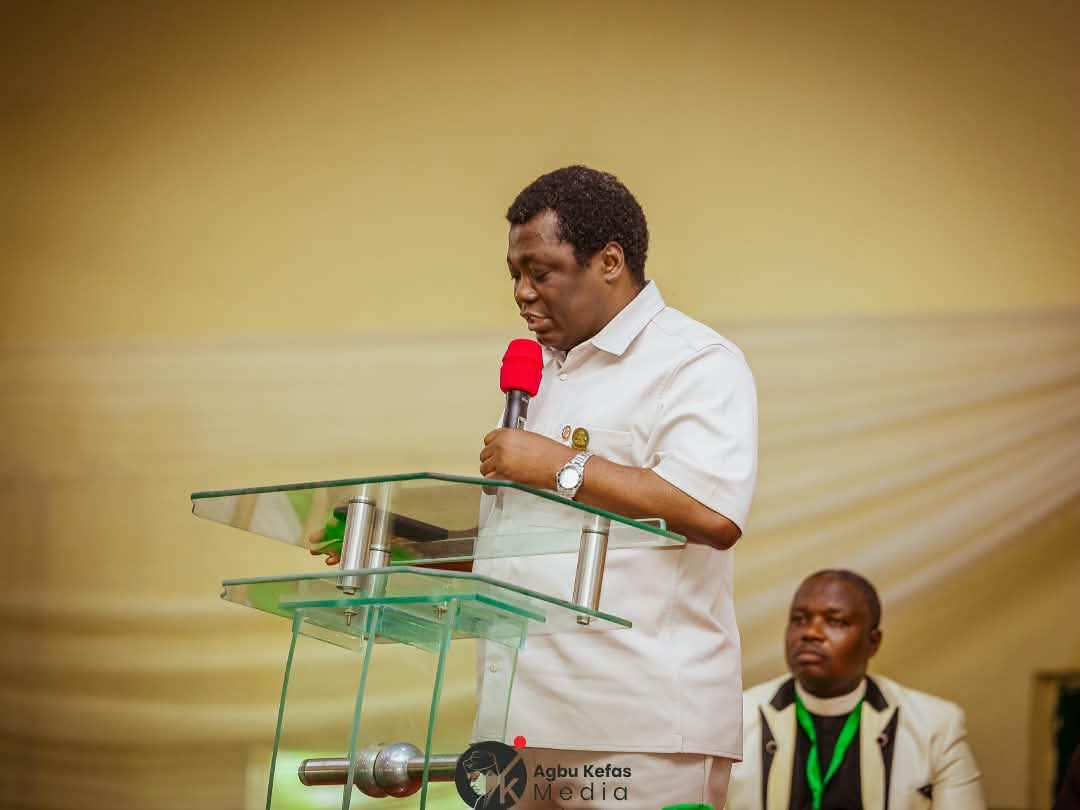
Taraba State Governor Agbu Kefas has urged Christian leaders to defend truth, speak to political authorities when necessary and promote peace and moral values amid the social, economic and security challenges facing the country. Kefas made the call on Wednesday, August 19, 2026, while addressing participants at the Ministers’ Conference organised by the Christian Association of Nigeria (CAN), Taraba State Chapter, in Jalingo.
The conference, themed “The Church and the State: Partners in God’s Plan in a Changing World,” brought together Christian ministers and leaders to discuss the role of the Church in nation-building, peacebuilding and good governance. The governor said government and the Church have distinct constitutional and spiritual responsibilities but could collaborate in areas that promote peace, development and social stability.
He urged Christian leaders to uphold truth, compassion, justice and moral discipline while advising political authorities without allowing partisan interests to compromise the Church’s independence. “The Church must not become an extension of any political party,” Kefas said, urging ministers to provide constructive guidance and resist divisions based on politics, ethnicity or personal interests.
Kefas also called on religious leaders to use their platforms to discourage corruption, drug abuse, violence, hatred and injustice, while encouraging young people to pursue legitimate opportunities. He assured residents that his administration would continue to promote fairness, justice and peaceful coexistence while protecting citizens’ rights and freedom of worship.
The governor also expressed readiness to deepen collaboration with religious institutions in education, peacebuilding, community development and efforts to address drug abuse. He appealed to citizens and religious leaders to embrace unity and forgiveness, saying the development of Taraba required collective responsibility.
By Achadu Gabriel, Kaduna
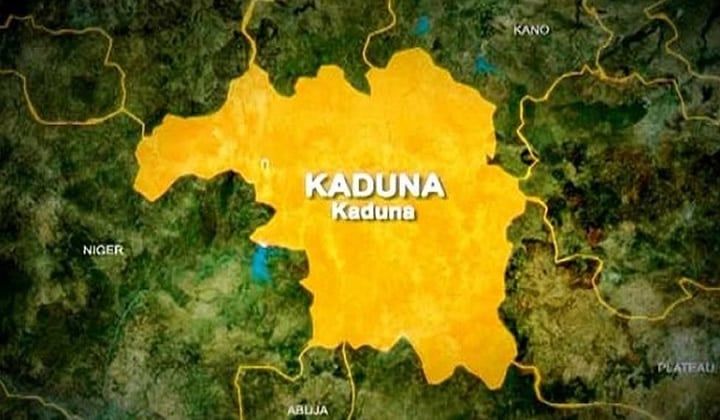
The Kaduna State Police Command will hold a three-day Police–Youth Engagement Programme from Thursday, August 20, to Saturday, August 22, 2026, as part of activities to mark International Youth Day and strengthen community efforts to prevent crime and promote peace.
The programme, themed “Different Contexts, Common Aspirations,” will bring together police officers, youths, community leaders, youth organisations and other stakeholders.In a statement issued on Wednesday, the Police Public Relations Officer, DSP Mansir Hassan, said the initiative was in line with a directive by the Inspector-General of Police, IGP Olatunji Rilwan Disu, to deepen engagement between the police and young people.
According to the Command, activities will include a Walkathon/Peace Walk aimed at promoting unity, healthy living and responsible citizenship. A medical outreach will also provide basic healthcare services and health awareness to young people and community members.
The programme will conclude with a lecture and interactive session addressing crime prevention, cultism, drug abuse, political and digital thuggery, responsible social media use, youth participation in community policing and emerging security challenges.
The Commissioner of Police, Kaduna State Command, CP Rabiu Muhammad, urged youths, community leaders and other stakeholders to participate actively in the programme. He called on participants to support efforts to promote peace, unity, responsible citizenship and a safer Kaduna State.
From Noah Ocheni, Lokoja
The Federal University Lokoja (FUL) has matriculated 900 postgraduate students for the 2025/2026 academic session, with the Vice-Chancellor, Prof. Ggenga Solomon Ibileye, reaffirming the institution’s commitment to expanding postgraduate opportunities and strengthening its research culture. Ibileye made the commitment during the postgraduate matriculation ceremony held at the university’s permanent site in Lokoja.
The Vice-Chancellor said research remained central to the value of postgraduate education and stressed the university’s commitment to maintaining and improving its academic standards.
He said postgraduate students would undergo prescribed coursework and examinations, while their projects, theses and dissertations would be subjected to originality and similarity checks. According to him, students would also be required to defend research proposals, participate in internal seminars and submit their work to external examiners.
“These processes ensure that the certificate eventually conferred by the university is worth the years a candidate will spend earning it,” he said. Ibileye said the university currently offers postgraduate programmes at the Postgraduate Diploma, Master’s and Doctor of Philosophy levels, covering both professional and academic disciplines.
He commended the Provost of the postgraduate college, Prof. Matthew Ola-Rotimi Ajayi, for his leadership and expressed confidence that the institution’s academic standards would continue to improve. The Vice-Chancellor congratulated the new students and welcomed them to the postgraduate scholarly community of the university.


Kefas Urges Church Leaders to Defend Truth and Promote Peace in Taraba

Kaduna Police to Hold Three-Day Youth Engagement Programme on Crime and Drug Abuse

FUL Matriculates 900 Postgraduate Students, Reaffirms Commitment to Research
-
 News16 hours ago
BUDGET OFFICE OF THE FEDERATIONRESPONSE TO THE 2026 U.S. DEPARTMENT OF STATE FISCAL TRANSPARENCY REPORT ON NIGERIA
-
 News19 hours ago
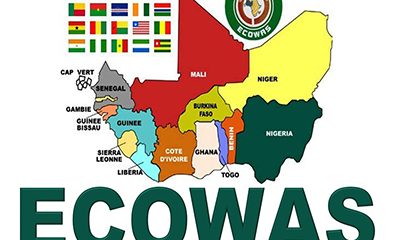
Beyond the ECOWAS–AES Divide: Rethinking Regional Cooperation, Peace and Security in West Africa
-

 News19 hours ago
Tinubu Committed to Transforming Nigeria’s Electricity Sector, Says Power Minister
-
 Crime15 hours ago
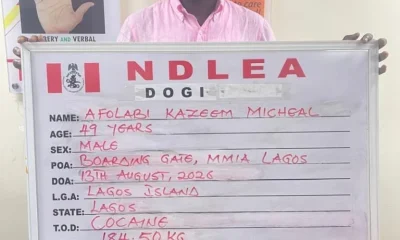
NDLEA Arrests Alleged Cocaine Trafficking Kingpin at Lagos Airport
-
 News19 hours ago
Mangu Killings: ADC Governorship Candidate Calls for Immediate Security Action
-
 News19 hours ago
Tinubu Urges Politicians to Avoid Divisive Politics Ahead of 2027 Elections
-
 News19 hours ago
Delta to Train 1,000 Youths in Agribusiness to Boost Agriculture
-
News8 hours ago
24 Bandits Killed As Army, DSS, Vigilantes Foil Mass Kidnap in Katsina Community, Rescue Victims
You must be logged in to post a comment Login