
News
Court stops APC, INEC from altering Benue APC primary winners

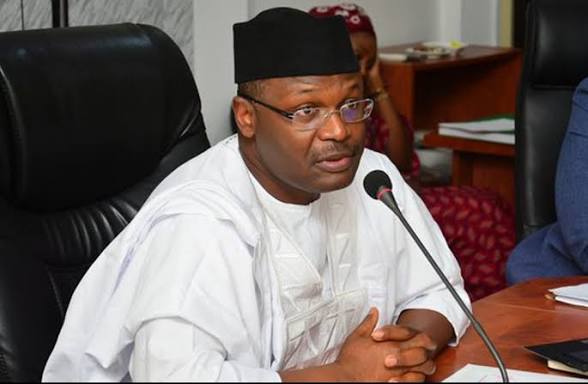
The Federal High Court in Abuja has ordered the All Progressives Congress (APC) and the Independent National Electoral Commission (INEC) to maintain the status quo in a dispute over the party’s candidates emerging from the Benue State APC primaries for the 2027 general election.
The order was made on Thursday by Justice Inyang Ekwo during proceedings in Suit No. FHC/ABJ/CS/1429/2026, filed by Engr. Sesugh Akaagba and other aggrieved APC candidates from Benue State against the APC and INEC.
The plaintiffs had, through an ex parte motion filed on July 5, 2026, sought six interim reliefs, including an order restraining the APC from substituting its validly nominated candidates in Benue State through its June 29, 2026 correspondence, or any subsequent communication, to INEC, pending determination of the substantive suit.
They also sought an order compelling the APC to immediately transmit to INEC the names of candidates validly nominated during the primaries monitored by the electoral commission.
When the matter first came up on July 8, 2026, the court declined to grant the interim application immediately, directing both APC and INEC to appear and respond before any decision was taken. The matter was adjourned to July 16.
At Thursday’s proceedings, counsel representing the APC and INEC were present in court, while the plaintiffs were represented by Mohammed Ndarani, SAN, alongside his legal team.
In his ruling, Justice Ekwo held that since issues had been joined by the parties particularly with INEC now before the court, the defendants were required by law to preserve the subject matter of the litigation pending determination of the substantive suit.
When counsel to the plaintiffs urged the court to caution APC and INEC against taking any further action that could affect the disputed list of candidates, the judge responded that it was “not a matter of advice but of law,” stressing that the defendants were bound to maintain the status quo.
The court consequently restrained APC and INEC from taking any action capable of altering the disputed list of candidates pending the hearing and determination of the substantive suit.
The defendants did not object to the restraining order.
At the commencement of proceedings, the court noted that all parties had voluntarily submitted to its jurisdiction by duly filing and exchanging their respective processes.
It held that there was no procedural or jurisdictional impediment to the expeditious determination of the substantive action, and directed that the matter be heard without further delay.
In furtherance of the objective of preserving the res and safeguarding the efficacy of the judicial process, the court ordered all parties to maintain the status quo pending the hearing and final determination of the substantive suit, restraining any act or omission capable of prejudicing the rights of the parties or rendering the proceedings nugatory.
The court further directed that INEC be served forthwith with the originating and all consequential processes.
The effect of the subsisting order is that INEC is restrained from tampering with the existing list of candidates pending final determination of the suit, and from receiving, recognising, or acting upon any purported substituted list of National Assembly candidates from Benue State submitted by the APC.
The matter was adjourned to July 21, 2026, for hearing of the substantive suit.

By Aga Samuel Imoter, Jalingo
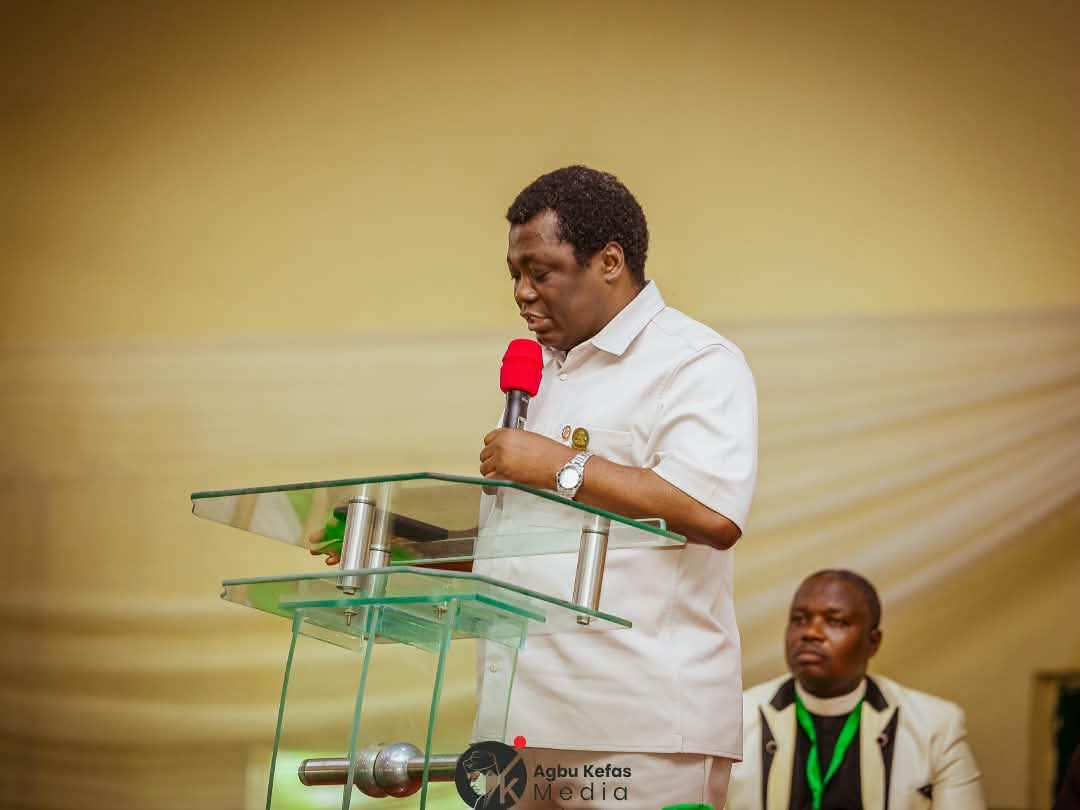
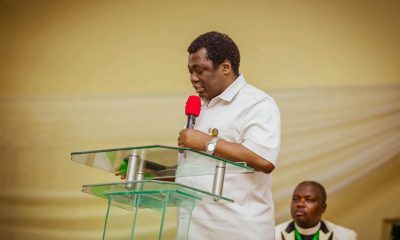
Taraba State Governor Agbu Kefas has urged Christian leaders to defend truth, speak to political authorities when necessary and promote peace and moral values amid the social, economic and security challenges facing the country. Kefas made the call on Wednesday, August 19, 2026, while addressing participants at the Ministers’ Conference organised by the Christian Association of Nigeria (CAN), Taraba State Chapter, in Jalingo.
The conference, themed “The Church and the State: Partners in God’s Plan in a Changing World,” brought together Christian ministers and leaders to discuss the role of the Church in nation-building, peacebuilding and good governance. The governor said government and the Church have distinct constitutional and spiritual responsibilities but could collaborate in areas that promote peace, development and social stability.
He urged Christian leaders to uphold truth, compassion, justice and moral discipline while advising political authorities without allowing partisan interests to compromise the Church’s independence. “The Church must not become an extension of any political party,” Kefas said, urging ministers to provide constructive guidance and resist divisions based on politics, ethnicity or personal interests.
Kefas also called on religious leaders to use their platforms to discourage corruption, drug abuse, violence, hatred and injustice, while encouraging young people to pursue legitimate opportunities. He assured residents that his administration would continue to promote fairness, justice and peaceful coexistence while protecting citizens’ rights and freedom of worship.
The governor also expressed readiness to deepen collaboration with religious institutions in education, peacebuilding, community development and efforts to address drug abuse. He appealed to citizens and religious leaders to embrace unity and forgiveness, saying the development of Taraba required collective responsibility.
By Achadu Gabriel, Kaduna
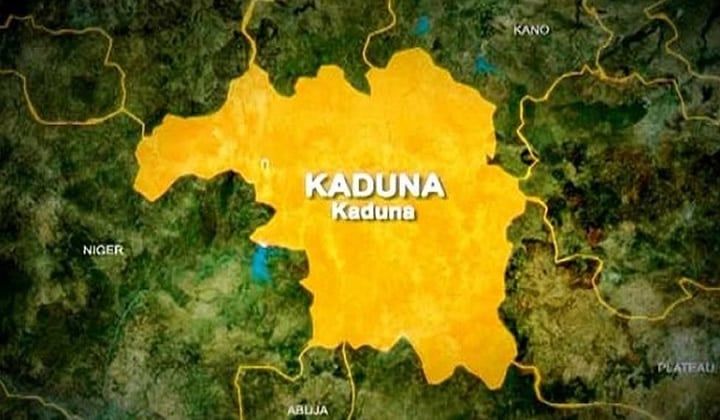
The Kaduna State Police Command will hold a three-day Police–Youth Engagement Programme from Thursday, August 20, to Saturday, August 22, 2026, as part of activities to mark International Youth Day and strengthen community efforts to prevent crime and promote peace.
The programme, themed “Different Contexts, Common Aspirations,” will bring together police officers, youths, community leaders, youth organisations and other stakeholders.In a statement issued on Wednesday, the Police Public Relations Officer, DSP Mansir Hassan, said the initiative was in line with a directive by the Inspector-General of Police, IGP Olatunji Rilwan Disu, to deepen engagement between the police and young people.
According to the Command, activities will include a Walkathon/Peace Walk aimed at promoting unity, healthy living and responsible citizenship. A medical outreach will also provide basic healthcare services and health awareness to young people and community members.
The programme will conclude with a lecture and interactive session addressing crime prevention, cultism, drug abuse, political and digital thuggery, responsible social media use, youth participation in community policing and emerging security challenges.
The Commissioner of Police, Kaduna State Command, CP Rabiu Muhammad, urged youths, community leaders and other stakeholders to participate actively in the programme. He called on participants to support efforts to promote peace, unity, responsible citizenship and a safer Kaduna State.

From Noah Ocheni, Lokoja
The Federal University Lokoja (FUL) has matriculated 900 postgraduate students for the 2025/2026 academic session, with the Vice-Chancellor, Prof. Ggenga Solomon Ibileye, reaffirming the institution’s commitment to expanding postgraduate opportunities and strengthening its research culture. Ibileye made the commitment during the postgraduate matriculation ceremony held at the university’s permanent site in Lokoja.
The Vice-Chancellor said research remained central to the value of postgraduate education and stressed the university’s commitment to maintaining and improving its academic standards.
He said postgraduate students would undergo prescribed coursework and examinations, while their projects, theses and dissertations would be subjected to originality and similarity checks. According to him, students would also be required to defend research proposals, participate in internal seminars and submit their work to external examiners.
“These processes ensure that the certificate eventually conferred by the university is worth the years a candidate will spend earning it,” he said. Ibileye said the university currently offers postgraduate programmes at the Postgraduate Diploma, Master’s and Doctor of Philosophy levels, covering both professional and academic disciplines.
He commended the Provost of the postgraduate college, Prof. Matthew Ola-Rotimi Ajayi, for his leadership and expressed confidence that the institution’s academic standards would continue to improve. The Vice-Chancellor congratulated the new students and welcomed them to the postgraduate scholarly community of the university.


ADP Presidential Candidate Aliyu Bin Abbas Signs National Peace Accord

Kefas Urges Church Leaders to Defend Truth and Promote Peace in Taraba

Kaduna Police to Hold Three-Day Youth Engagement Programme on Crime and Drug Abuse
-
News19 hours ago
KADSG Faults ADC Guber Candidate’s Criticism, Defends Sani’s Education Funding Records
-
News19 hours ago
24 Bandits Killed As Army, DSS, Vigilantes Foil Mass Kidnap in Katsina Community, Rescue Victims
-
 News12 hours ago
Middle Belt Forum Says 2031 Presidency Should Return to Region
-
 News12 hours ago
Jigawa Governor Namadi Deserves More Recognition, Says Dr Hafiz Muktar
-
 News12 hours ago
Kefas Urges Church Leaders to Defend Truth and Promote Peace in Taraba
-
 News12 hours ago
Kaduna Police to Hold Three-Day Youth Engagement Programme on Crime and Drug Abuse
-
 Uncategorized7 hours ago
ADP Presidential Candidate Aliyu Bin Abbas Signs National Peace Accord
-
 News12 hours ago
Benue Assembly Elects Peter Ipusu as New Majority Leader
You must be logged in to post a comment Login