
By Joyce Remi-Babayeju
To cushion the effect of the dwindling foreign counterpart funding on Nigeria, from PEPFAR, GAVI and others, the federal government said it has so far shouldered increased local co-funding obligations on routine immunization
from $8 million in 2017 to $57 million in 2023, in addition to contributing funds to HIV/ AIDS, tuberculosis, and malaria.
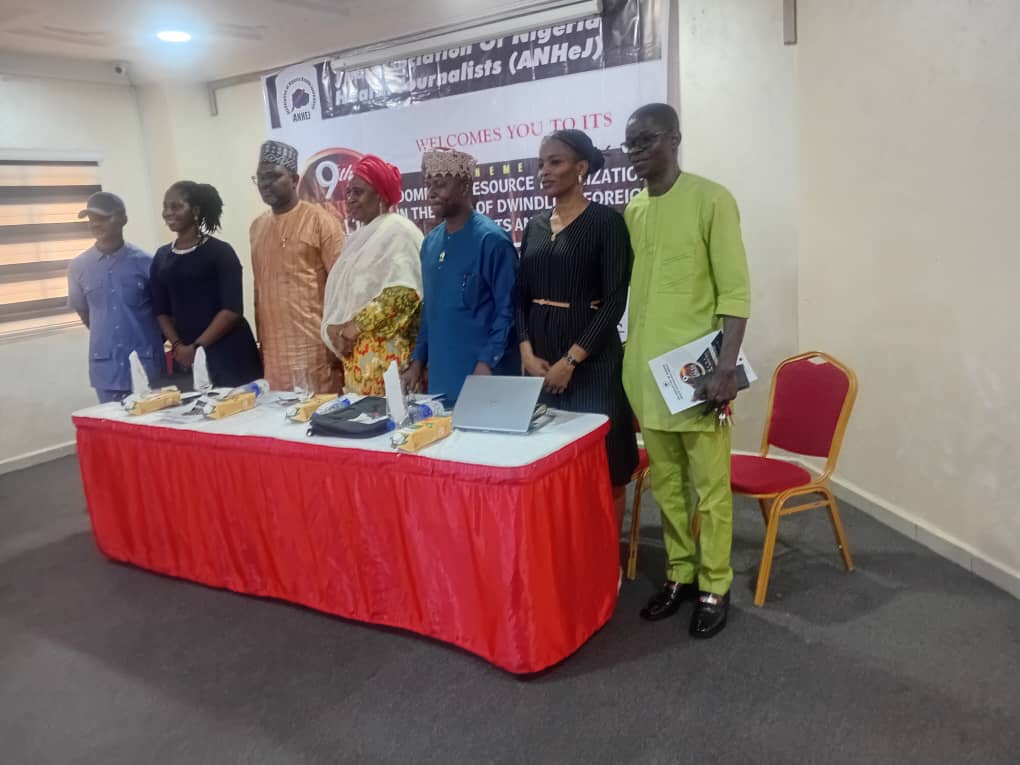
The Minister of State for Health and Social Welfare, Dr. Iziaq Adekunle Salako disclosed this on Friday in Abuja at the 9th Annual Health Conference of the Association of Health Journalists, 2025.
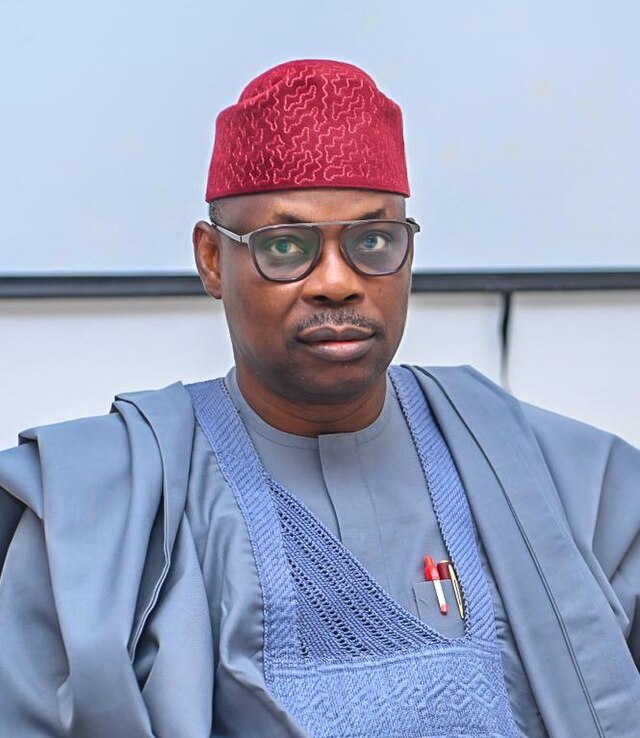
The minister, who was represented by Dr. Babatunde Akinyemi said, “Nigeria’s progressive increase in its co-financing obligations from $8 million in 2017 to $57 million in 2023 demonstrates the country’s readiness to assume greater responsibility for routine immunization.”
The government has also co-funded HIV/AIDS with $200 million, $100 million to Global Fund grants to cushion other supported programmes, Dr. Salako stated.
The minister said, “In addition, the federal government made $200 million USD available to cushion the effect of the US government’s suspension of support for HIV/AIDS and other PEPFAR-supported programmes in Nigeria.”
According to the minister, owing to this reality of dwindling co- funding gaps in the health sector, at the federal and state levels have become proactive in developing innovative domestic resource mobilization strategies through disbursement of “The Basic Healthcare Provision Fund” , which has disbursed over N260 billion to states and the Federal Capital Territory since its inception in 2018.
And the provision of the health insurance mandatory for all Nigerians through the National Health Authority Act which was signed into law in 2020, is an innovative source of cushioning and a paradigm shift approach in health financing.
“At the subnational level, several states have demonstrated remarkable innovation in domestic resource mobilization; Lagos State allocates over 12 percent of its budget to health, well above the national average of 5 percent, and has established a health fund that pools resources from multiple sources, including a consolidated informal sector levy.”
“ Kaduna State has implemented a contributory health scheme that combines state subsidies with individual contributions, achieving over 1.6 million enrollees.”
“Delta State’s contributory health scheme leverages a 0.5 percent equity contribution from the state’s derivation fund to provide health coverage for residents. Abia State has pioneered a diaspora health investment fund, mobilizing resources from Nigerians in the diaspora to support health infrastructure development.”
“Our commitment is to ensure that no Nigerian is left behind during this transition and that we convert a period of funding volatility into a long-term opportunity to build a resilient, domestically financed health system, the minister added.
The minister stated that Nigeria is a great beneficiary of foreign funds and gave a rundown of counterpart funds the country has received.
“ “The United States government, through PEPFAR, has invested over $6 billion in Nigeria’s HIV/AIDS response since 2004, with annual allocations averaging $400-450 million lately. In fiscal year 2023 alone, USAID (now DoS) allocated approximately $535 million for health programs in Nigeria, covering HIV/AIDS, malaria, tuberculosis, and maternal and child health initiatives.” The Global Fund to Fight AIDS, Tuberculosis, and Malaria has disbursed over $2.5 billion to Nigeria since 2003, making us one of the largest recipients globally.”
“The World Bank currently supports our health sector with approximately $1.5 billion through various projects, including the $500 million Nigeria COVID-19 Action Recovery and Economic Stimulus Program and the $820 million International Development Association credit for primary healthcare strengthening. “
Gavi, the Vaccine Alliance, has committed over $1.2 billion to Nigeria since 2001 for immunization programs, while the Bill and Melinda Gates Foundation has invested approximately $1.6 billion across various health interventions in Nigeria over the past two decades.
Daybreak reports that the 9th ANHEJ Conference was marked with the theme: , ” Domestic Resource Mobilization in the Face of Dwindling Foreign Grants and Aids”.
End