
News
Gombe: TCO Seeks Clarification Over Alleged Plan to Designate Tangale Ancestral Lands for Pastoral Settlement

By Achadu Gabriel, Kaduna
The Tangale Community Overseas (TCO) has called on the Gombe State Government to publicly clarify allegations that portions of the Tangale ancestral highlands in Billiri Local Government Area may be designated for pastoral settlement.
In a statement signed by the organisation’s spokesman, Dr. Eli Ibrahim Kerek, following consultations with the Tangale Community Development Association (TCDA), the Kwagam Tangale Socio-Cultural Association (KTSCA) and the Tangale Elders Forum (TEF), TCO said any action affecting indigenous lands without the consent of the host communities would be unacceptable.
The concerns followed a June 24, 2026 statement by the Centre for Justice on Religious and Ethnicity in Nigeria (CJREN), which alleged that the Gombe State Government was considering plans that could restrict indigenous access to parts of the Tangale highlands while opening portions for pastoral settlement. The state government has not publicly confirmed the claims.
“The Tangale homeland is not vacant land. It is not state property to be redistributed at will. It is the living inheritance of a people whose history predates modern administrative structures,” the statement said.
TCO argued that any proposal to allocate, reclassify or restrict access to Tangale ancestral lands without the free, prior and informed consent of affected communities would violate customary land rights and internationally recognised principles protecting indigenous peoples.
The group urged the state government to clarify whether any discussions, policy proposals or official documents exist regarding the alleged plan. It also demanded the publication of all relevant documents, independent verification of land use in the affected areas, including Kumana and Kufai, and assurances that no ancestral land would be acquired or reassigned without transparent consultation.
The organisation also questioned a recent rejoinder by the Tangale Traditional Council, saying it failed to clarify whether traditional rulers participated in meetings with government officials on the alleged proposal.
“The Tangale people are entitled to the truth. Silence, evasion and half-statements cannot substitute for accountability,” TCO stated.
The group disputed the council’s claim that farming does not take place on the highlands, insisting that many residents depend on farmland in the area for their livelihoods.
It described the Tangale highlands as central to the identity and heritage of the people, citing ancestral settlements, sacred hills used for traditional rites, the historic Mai Tangale Palace site and early Christian mission locations, including the first church and school established in Tangale land.
“Any policy affecting these locations without meaningful consultation would amount to cultural dispossession,” the statement added, warning that restrictions could also threaten food production and household incomes.
TCO also referenced the ongoing court case over the Mai Tangale stool, arguing that institutions whose authority is being challenged should not make conclusive pronouncements on matters relating to ancestral lands. It noted that the TCDA had earlier established an alternative cultural structure, Tangale PONAR, and urged the government to exercise caution until the legal dispute is resolved.
The group appealed to residents to remain peaceful and pursue their concerns through lawful means.
“We reject secrecy. We reject exclusion. We reject any process that treats our ancestral homeland as disposable,” the statement said.
As of press time, the Gombe State Government had not issued an official response to the allegations.

By Aga Samuel Imoter, Jalingo
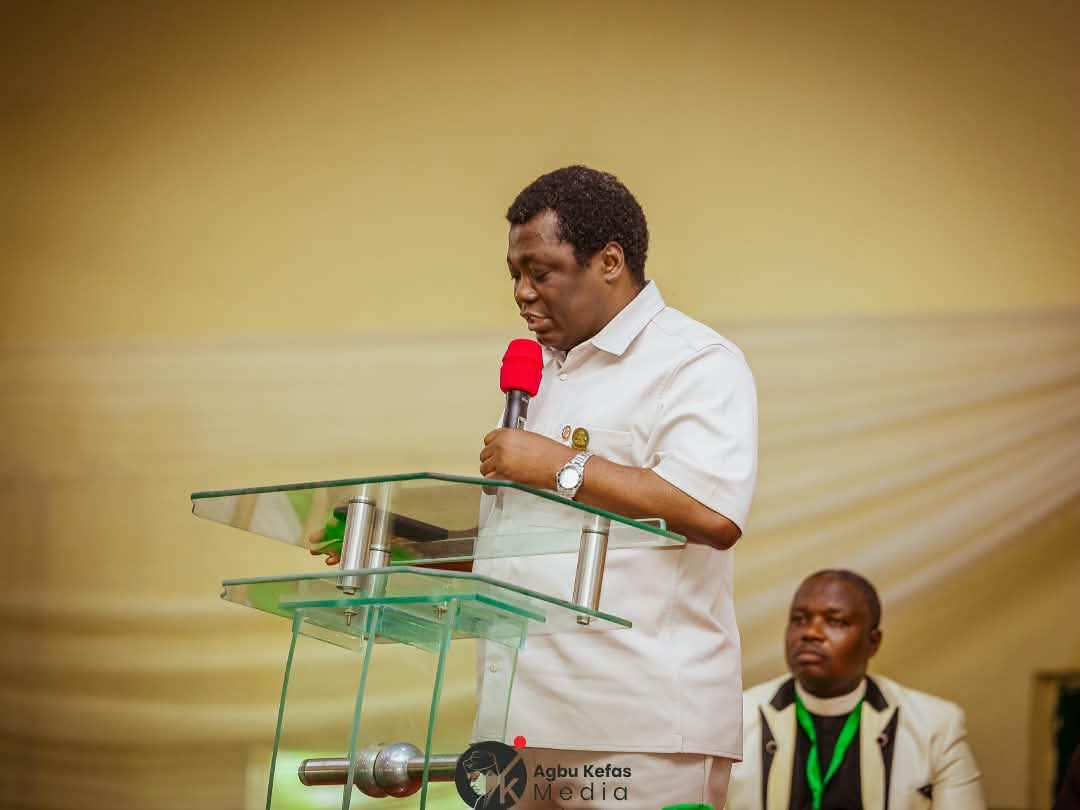
Taraba State Governor Agbu Kefas has urged Christian leaders to defend truth, speak to political authorities when necessary and promote peace and moral values amid the social, economic and security challenges facing the country. Kefas made the call on Wednesday, August 19, 2026, while addressing participants at the Ministers’ Conference organised by the Christian Association of Nigeria (CAN), Taraba State Chapter, in Jalingo.
The conference, themed “The Church and the State: Partners in God’s Plan in a Changing World,” brought together Christian ministers and leaders to discuss the role of the Church in nation-building, peacebuilding and good governance. The governor said government and the Church have distinct constitutional and spiritual responsibilities but could collaborate in areas that promote peace, development and social stability.
He urged Christian leaders to uphold truth, compassion, justice and moral discipline while advising political authorities without allowing partisan interests to compromise the Church’s independence. “The Church must not become an extension of any political party,” Kefas said, urging ministers to provide constructive guidance and resist divisions based on politics, ethnicity or personal interests.
Kefas also called on religious leaders to use their platforms to discourage corruption, drug abuse, violence, hatred and injustice, while encouraging young people to pursue legitimate opportunities. He assured residents that his administration would continue to promote fairness, justice and peaceful coexistence while protecting citizens’ rights and freedom of worship.
The governor also expressed readiness to deepen collaboration with religious institutions in education, peacebuilding, community development and efforts to address drug abuse. He appealed to citizens and religious leaders to embrace unity and forgiveness, saying the development of Taraba required collective responsibility.
By Achadu Gabriel, Kaduna
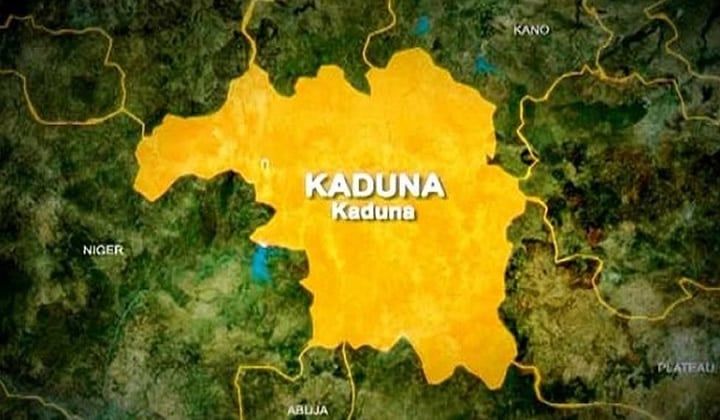
The Kaduna State Police Command will hold a three-day Police–Youth Engagement Programme from Thursday, August 20, to Saturday, August 22, 2026, as part of activities to mark International Youth Day and strengthen community efforts to prevent crime and promote peace.
The programme, themed “Different Contexts, Common Aspirations,” will bring together police officers, youths, community leaders, youth organisations and other stakeholders.In a statement issued on Wednesday, the Police Public Relations Officer, DSP Mansir Hassan, said the initiative was in line with a directive by the Inspector-General of Police, IGP Olatunji Rilwan Disu, to deepen engagement between the police and young people.
According to the Command, activities will include a Walkathon/Peace Walk aimed at promoting unity, healthy living and responsible citizenship. A medical outreach will also provide basic healthcare services and health awareness to young people and community members.
The programme will conclude with a lecture and interactive session addressing crime prevention, cultism, drug abuse, political and digital thuggery, responsible social media use, youth participation in community policing and emerging security challenges.
The Commissioner of Police, Kaduna State Command, CP Rabiu Muhammad, urged youths, community leaders and other stakeholders to participate actively in the programme. He called on participants to support efforts to promote peace, unity, responsible citizenship and a safer Kaduna State.
From Noah Ocheni, Lokoja
The Federal University Lokoja (FUL) has matriculated 900 postgraduate students for the 2025/2026 academic session, with the Vice-Chancellor, Prof. Ggenga Solomon Ibileye, reaffirming the institution’s commitment to expanding postgraduate opportunities and strengthening its research culture. Ibileye made the commitment during the postgraduate matriculation ceremony held at the university’s permanent site in Lokoja.
The Vice-Chancellor said research remained central to the value of postgraduate education and stressed the university’s commitment to maintaining and improving its academic standards.
He said postgraduate students would undergo prescribed coursework and examinations, while their projects, theses and dissertations would be subjected to originality and similarity checks. According to him, students would also be required to defend research proposals, participate in internal seminars and submit their work to external examiners.
“These processes ensure that the certificate eventually conferred by the university is worth the years a candidate will spend earning it,” he said. Ibileye said the university currently offers postgraduate programmes at the Postgraduate Diploma, Master’s and Doctor of Philosophy levels, covering both professional and academic disciplines.
He commended the Provost of the postgraduate college, Prof. Matthew Ola-Rotimi Ajayi, for his leadership and expressed confidence that the institution’s academic standards would continue to improve. The Vice-Chancellor congratulated the new students and welcomed them to the postgraduate scholarly community of the university.


Kefas Urges Church Leaders to Defend Truth and Promote Peace in Taraba

Kaduna Police to Hold Three-Day Youth Engagement Programme on Crime and Drug Abuse

FUL Matriculates 900 Postgraduate Students, Reaffirms Commitment to Research
-
 News16 hours ago
BUDGET OFFICE OF THE FEDERATIONRESPONSE TO THE 2026 U.S. DEPARTMENT OF STATE FISCAL TRANSPARENCY REPORT ON NIGERIA
-
 News18 hours ago
Beyond the ECOWAS–AES Divide: Rethinking Regional Cooperation, Peace and Security in West Africa
-
 Crime15 hours ago
NDLEA Arrests Alleged Cocaine Trafficking Kingpin at Lagos Airport
-

 News19 hours ago
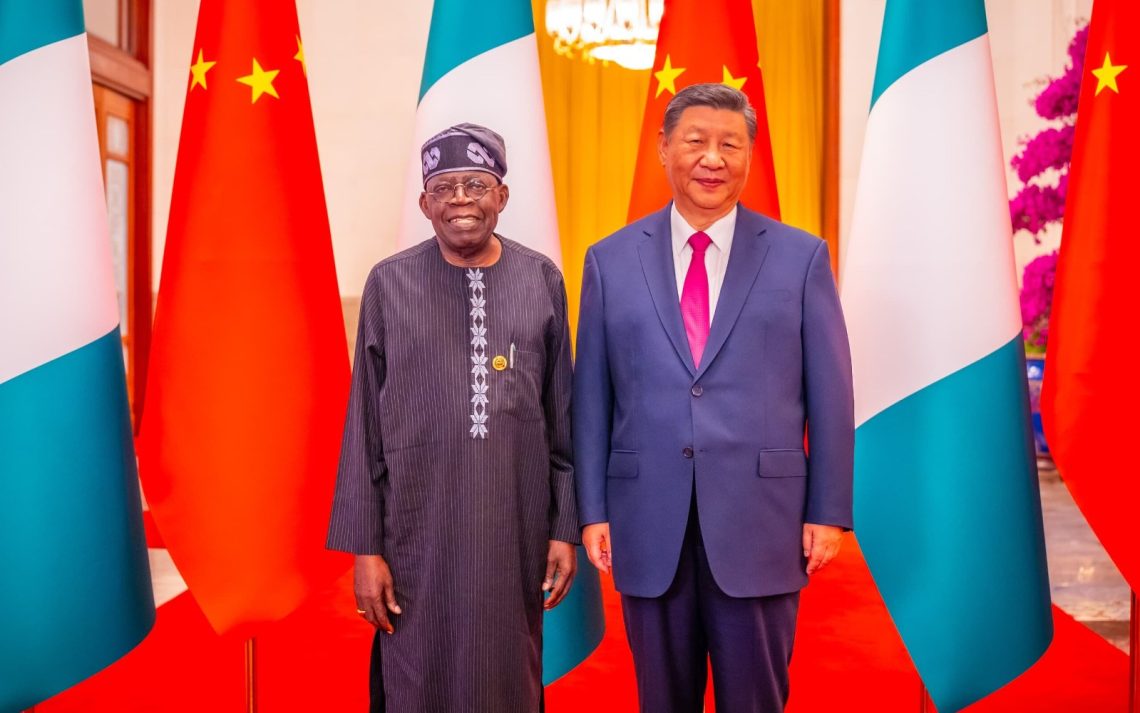
Tinubu Committed to Transforming Nigeria’s Electricity Sector, Says Power Minister
-

 News19 hours ago
Mangu Killings: ADC Governorship Candidate Calls for Immediate Security Action
-
 News18 hours ago
Tinubu Urges Politicians to Avoid Divisive Politics Ahead of 2027 Elections
-

 News19 hours ago
Delta to Train 1,000 Youths in Agribusiness to Boost Agriculture
-
 News19 hours ago
24 Killed, Three Injured in Fresh Attack on Plateau Community
You must be logged in to post a comment Login