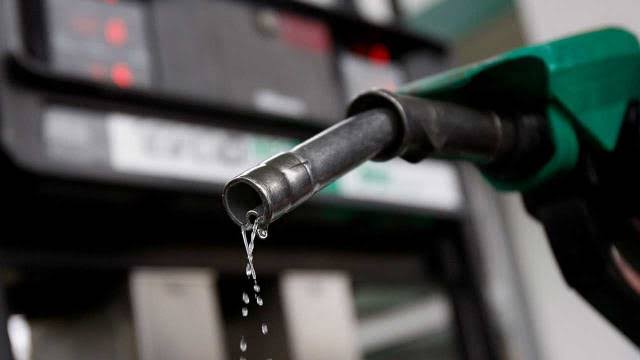

Two weeks after the Federal Government suspended the removal of petrol subsidy, the International Monetary Fund has again urged the Nigerian government to stop subsidising fuel.
The Washington-based lender also asked the Federal Government to remove the official exchange rate
The Federal Government had on January 24 suspended its plan to remove fuel subsidy this year. It also proposed to extend the subsidy removal implementation period by 18 months, saying it would engage the legislature for the amendment of the Petroleum Industry Act.
The IMF had in November last year stressed “the need to fully remove fuel subsidies and move to a market-based pricing mechanism in early 2022 as stipulated in the 2021 Petroleum Industry Act.”
The IMF, in a statement on Monday at the end of its Article IV consultation with Nigeria, said despite the recovery in oil prices, the general government fiscal deficit was projected to widen in 2021 to 5.9 per cent of GDP, reflecting implicit fuel subsidies and higher security spending.
According to the Washington-based fund, higher debt service to government revenues (through higher US interest rates and/or increased borrowing) pose risks for fiscal sustainability.
Its executive directors noted that the country’s outlook remained subject to significant risks, including from the pandemic trajectory, oil price uncertainty, and security challenges.
They emphasised the need for major reforms in the fiscal, exchange rate, trade, and governance areas to lift long-term, inclusive growth.
The statement said, “Directors highlighted the urgency of fiscal consolidation to create policy space and reduce debt sustainability risks. In this regard, they called for significant domestic revenue mobilisation, including by further increasing the value-added tax rate, improving tax compliance, and rationalizing tax incentives.
“Directors also urged the removal of untargeted fuel subsidies, with compensatory measures for the poor and transparent use of saved resources. They stressed the importance of further strengthening social safety nets.”
The IMF welcomed the removal of the official exchange rate and recommended further measures towards a unified and market-clearing exchange rate to help strengthen Nigeria’s external position, taking advantage of the current favourable conditions.
They noted that exchange rate reforms should be accompanied by macroeconomic policies to contain inflation, structural reforms to improve transparency and governance, and clear communications regarding exchange rate policy.
The statement said, “Directors considered it appropriate to maintain a supportive monetary policy in the near term, with continued vigilance against inflation and balance of payments risks. They encouraged the authorities to stand ready to adjust the monetary stance if inflationary pressures increase.
“Directors recommended strengthening the monetary operational framework over the medium term – focusing on the primacy of price stability – and scaling back the central bank’s quasi-fiscal operations.”
The fund also welcomed the resilience of the banking sector and the planned expiration of pandemic-related support measures.
The directors agreed that while the newly launched eNaira could help foster financial inclusion and improve the delivery of social assistance, close monitoring of associated risks would be important.
They also encouraged further efforts to address deficiencies in the Anti-Money Laundering and Countering Financing of Terrorism framework.
The directors called for stronger efforts to improve transparency of COVID-19 emergency spending.
The statement said, “Directors noted that Nigeria’s capacity to repay the Fund is adequate. They encouraged addressing data gaps to allow timely and clear assessments of reserve adequacy.
“Directors emphasised the need for bold reforms in the trade regime and agricultural sector, as well as investments, to promote diversification and job-rich growth and harness the gains from the African Continental Free Trade Agreement. Improvement in transparency and governance are also crucial for strengthening business confidence and public trust.”