
By Rachel Ndakotsu
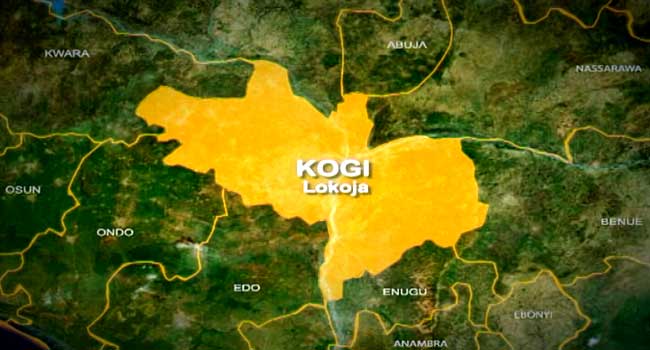
Deep in Nigeria’s North-Central heartland, where the mighty Niger and Benue rivers merge, Kogi State once stood as a symbol of promise. With its rich cultural mix and bustling trade routes, people here once looked forward to brighter days. But today, that hope has dimmed. Kidnapping and banditry have turned daily life into a nightmare especially in the eastern part of the state. From dusty village paths to major highways, no one feels safe anymore. It’s as if the whole state is perched on a keg of gunpowder, just one wrong move away from an explosion.
Take the roads, for instance.
They’re meant to connect people and markets, but they’ve become hunting grounds for armed gangs. Just last month, along the Lokoja–Kabba stretch, a group of commuters vanished abducted right from their vehicles. Days later, seven more travelers were seized along the Itobe–Anyigba highway in Ofu Local Government Area. Barely a week ago, on October 21, passengers in four buses heading toward Enugu were ambushed kidnappers blocked the road like it was their personal toll gate. One family, on their way to a wedding, reportedly paid ₦60 million to secure their loved ones’ release. These aren’t isolated incidents; they happen almost daily, and many go unreported because victims are too afraid to speak out.
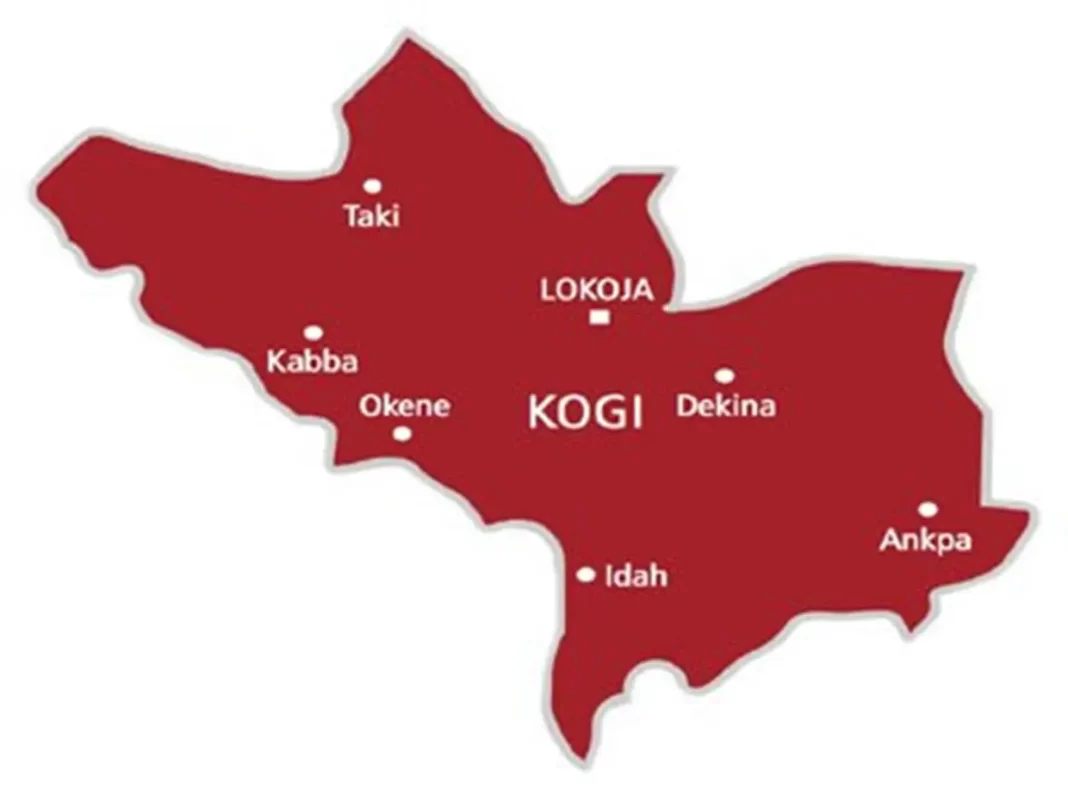
Nowhere bears the brunt more than Kogi East the Igala heartland encompassing Dekina, Ankpa, and Idah. The area’s thick forests and porous borders with Enugu and Benue have made it a criminal haven. Bandits not only kidnap; they extort communities, demanding food, cash, and even “rent” to let villagers live in peace. Remember Professor John Alabi from Kogi State University, Anyigba? He was abducted from his home in 2021, with ransom demands reaching N20 million. More recently, an INEC official was kidnapped at the Kogi–Enugu border, and in September, a local monarch was whisked away. Security agencies have recorded some successes—rescuing ten victims and arresting four suspects—but it’s like patching a leaking roof in a storm. The gangs keep returning, stronger and more organized.
The violence isn’t confined to the east. In Yagba West, bandits recently attacked a community, killing 27 people. Families fled with whatever they could carry. Governor Ahmed Usman Ododo visited the area, vowing to respond decisively, but words alone can’t stop bullets. In the central zone, herder–farmer clashes over land are escalating, with bandits exploiting the chaos—rustling cattle one day and occupying farmlands the next. Even foreign governments like Canada now warn their citizens to avoid Kogi, ranking it among high-risk areas.
Why is this happening? Poverty lies at the root. With few jobs and limited opportunities, many young people are drawn into crime, while corrupt officials look the other way. The borders are porous—arms and criminals flow freely from neighboring states and beyond. Some local collaborators even act as informants, alerting gangs in exchange for money. From 2015 to 2023, Kogi recorded over 400 attacks—second only to Benue in the North-Central region. The economic cost is staggering: billions lost in farming and trade, schools shut down, and families displaced. Worse still, it’s fueling ethnic suspicion and resentment, threatening to ignite deeper communal conflict.
There’s a glimmer of hope, though. Security forces aren’t entirely idle. Last week, troops raided several forest hideouts, destroyed camps, and rescued 21 hostages including some Chinese workers coordinated operations across Kogi and Kwara. Another operation freed 17 more victims. These are commendable gains, but they’re mostly reactive firefighting after the damage is done. What’s needed are permanent security bases in high-risk areas, better-trained and equipped vigilante groups, and long-term investments to create jobs and rebuild trust. Communities must also take ownership reporting suspicious movements and collaborators before tragedy strikes.
Kogi’s crisis is a reflection of Nigeria’s larger security dilemma. If urgent, coordinated action isn’t taken, the “Confluence State” could become the epicenter of a wider regional breakdown an explosion waiting to happen.
Rachel Ninma Ndakotsu is a research fellow working in the Institute for Peace and Conflict Resolution (IPCR) Abuja, She can be reached via: rnimmandakotsu@gmail.com.