
News
Legal Dispute Deepens Crisis Over INC Leadership Transition

A fresh legal battle has thrown the leadership transition of the Ijaw National Congress (INC) into uncertainty, as conflicting court orders continue to generate confusion over the planned inauguration of winners from the organisation’s April 13, 2026 election.
The Conference of Ijaw Traditional Rulers and Elders (CITRE) has warned that any inauguration conducted outside constitutional provisions would be invalid.
Speaking to journalists in Yenagoa, CITRE Chairman and Chairman of the Bayelsa State Traditional Rulers Council, King Bubaraye Dakolo, stated that the INC constitution empowers only a traditional ruler appointed by CITRE to inaugurate the National Executive Council.
According to him, no other individual has the constitutional authority to perform the swearing-in ceremony.
King Dakolo also disclosed that there are subsisting court injunctions restraining the inauguration process.
One of the orders was issued by a Rivers State High Court sitting in Port Harcourt and presided over by Justice Sobere Bionko. In Suit No. PH/C/1415/C6/2026, the court on April 8, 2026, granted an interim injunction restraining CITRE, outgoing INC President Benjamin Okaba, and Chairman of the Electoral Committee, Francis Tabai, from inaugurating or swearing in any persons as officers of the INC.
The suit was filed by Pastor Victor Burubo, Eneyo Athanasius Emmanuel, and Ekene Okeigbeye.
Similarly, a Bayelsa State High Court presided over by Justice Amadise Michael Ekadi on April 12, 2026, ordered all parties to maintain the status quo in a suit instituted by presidential candidate Geoffrey Yanga. The matter was adjourned to April 14, the same date scheduled for the inauguration.
However, CITRE is also reportedly in possession of a counter-order from the Delta State High Court in Warri. The court, presided over by Justice Anthony Olotu Akpovi, restrained CITRE from truncating, suspending, or postponing the inauguration process.
The order was secured by McDonald Igbadiwei, who emerged winner of the disputed April 13 election.
King Dakolo subsequently declared the election null and void over alleged constitutional violations and warned that CITRE would assume responsibility for the affairs of the INC from April 14, 2026, should a leadership vacuum arise following the expiration of Prof. Okaba’s tenure.
When contacted, Prof. Okaba maintained that the inauguration would proceed on Thursday, April 14, although he did not disclose the venue.
Meanwhile, outgoing Vice President 1, Nengi James, who reportedly boycotted the election, said he would not participate in the inauguration and would hand over all INC documents in his possession on April 14 in line with constitutional requirements.
The leadership crisis persists despite earlier intervention by Douye Diri, who appealed to all parties to suspend the inauguration and resolve the legal disputes amicably outside the courts.

By Aga Samuel Imoter, Jalingo
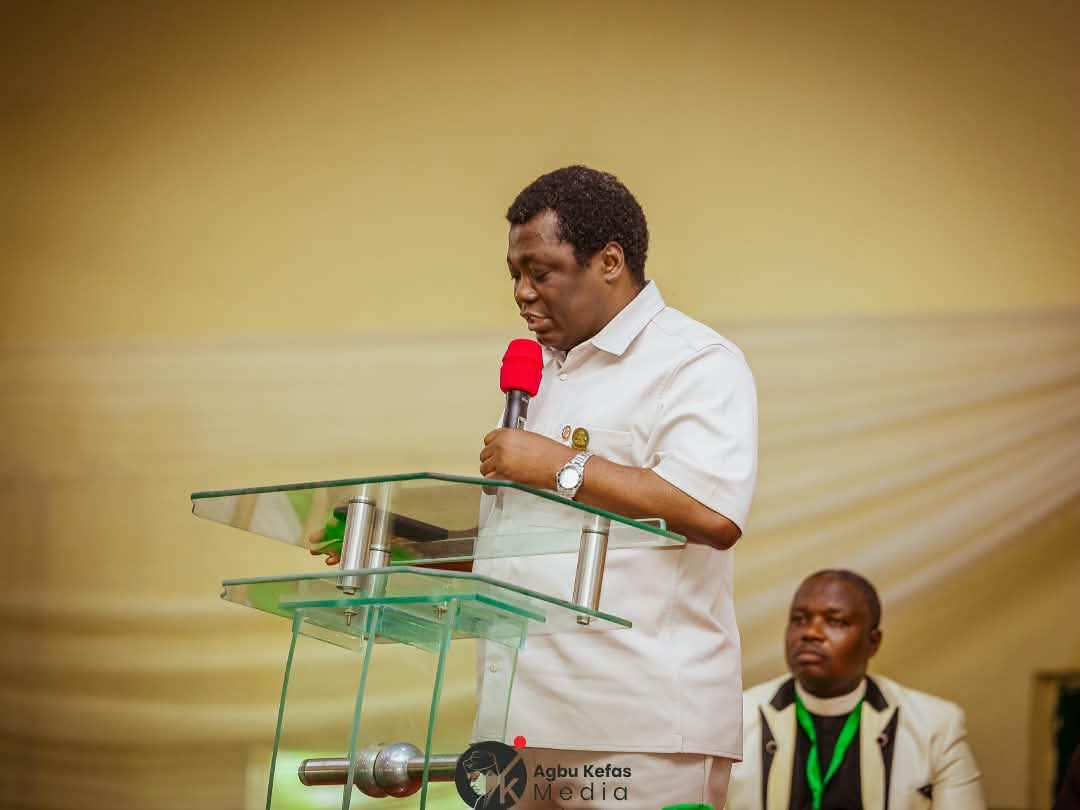
Taraba State Governor Agbu Kefas has urged Christian leaders to defend truth, speak to political authorities when necessary and promote peace and moral values amid the social, economic and security challenges facing the country. Kefas made the call on Wednesday, August 19, 2026, while addressing participants at the Ministers’ Conference organised by the Christian Association of Nigeria (CAN), Taraba State Chapter, in Jalingo.
The conference, themed “The Church and the State: Partners in God’s Plan in a Changing World,” brought together Christian ministers and leaders to discuss the role of the Church in nation-building, peacebuilding and good governance. The governor said government and the Church have distinct constitutional and spiritual responsibilities but could collaborate in areas that promote peace, development and social stability.
He urged Christian leaders to uphold truth, compassion, justice and moral discipline while advising political authorities without allowing partisan interests to compromise the Church’s independence. “The Church must not become an extension of any political party,” Kefas said, urging ministers to provide constructive guidance and resist divisions based on politics, ethnicity or personal interests.
Kefas also called on religious leaders to use their platforms to discourage corruption, drug abuse, violence, hatred and injustice, while encouraging young people to pursue legitimate opportunities. He assured residents that his administration would continue to promote fairness, justice and peaceful coexistence while protecting citizens’ rights and freedom of worship.
The governor also expressed readiness to deepen collaboration with religious institutions in education, peacebuilding, community development and efforts to address drug abuse. He appealed to citizens and religious leaders to embrace unity and forgiveness, saying the development of Taraba required collective responsibility.
By Achadu Gabriel, Kaduna
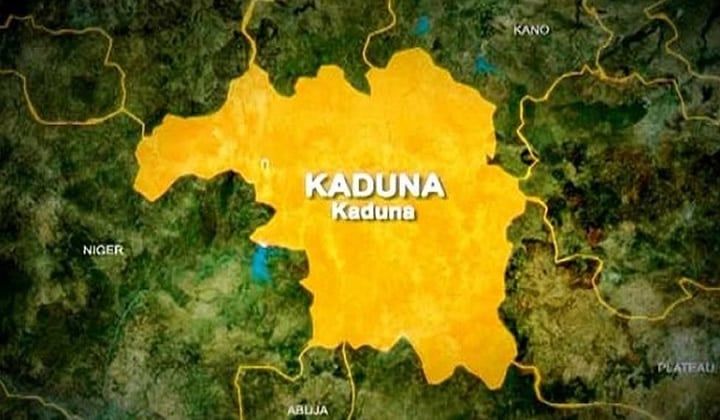
The Kaduna State Police Command will hold a three-day Police–Youth Engagement Programme from Thursday, August 20, to Saturday, August 22, 2026, as part of activities to mark International Youth Day and strengthen community efforts to prevent crime and promote peace.
The programme, themed “Different Contexts, Common Aspirations,” will bring together police officers, youths, community leaders, youth organisations and other stakeholders.In a statement issued on Wednesday, the Police Public Relations Officer, DSP Mansir Hassan, said the initiative was in line with a directive by the Inspector-General of Police, IGP Olatunji Rilwan Disu, to deepen engagement between the police and young people.
According to the Command, activities will include a Walkathon/Peace Walk aimed at promoting unity, healthy living and responsible citizenship. A medical outreach will also provide basic healthcare services and health awareness to young people and community members.
The programme will conclude with a lecture and interactive session addressing crime prevention, cultism, drug abuse, political and digital thuggery, responsible social media use, youth participation in community policing and emerging security challenges.
The Commissioner of Police, Kaduna State Command, CP Rabiu Muhammad, urged youths, community leaders and other stakeholders to participate actively in the programme. He called on participants to support efforts to promote peace, unity, responsible citizenship and a safer Kaduna State.
From Noah Ocheni, Lokoja
The Federal University Lokoja (FUL) has matriculated 900 postgraduate students for the 2025/2026 academic session, with the Vice-Chancellor, Prof. Ggenga Solomon Ibileye, reaffirming the institution’s commitment to expanding postgraduate opportunities and strengthening its research culture. Ibileye made the commitment during the postgraduate matriculation ceremony held at the university’s permanent site in Lokoja.
The Vice-Chancellor said research remained central to the value of postgraduate education and stressed the university’s commitment to maintaining and improving its academic standards.
He said postgraduate students would undergo prescribed coursework and examinations, while their projects, theses and dissertations would be subjected to originality and similarity checks. According to him, students would also be required to defend research proposals, participate in internal seminars and submit their work to external examiners.
“These processes ensure that the certificate eventually conferred by the university is worth the years a candidate will spend earning it,” he said. Ibileye said the university currently offers postgraduate programmes at the Postgraduate Diploma, Master’s and Doctor of Philosophy levels, covering both professional and academic disciplines.
He commended the Provost of the postgraduate college, Prof. Matthew Ola-Rotimi Ajayi, for his leadership and expressed confidence that the institution’s academic standards would continue to improve. The Vice-Chancellor congratulated the new students and welcomed them to the postgraduate scholarly community of the university.


Kefas Urges Church Leaders to Defend Truth and Promote Peace in Taraba

Kaduna Police to Hold Three-Day Youth Engagement Programme on Crime and Drug Abuse

FUL Matriculates 900 Postgraduate Students, Reaffirms Commitment to Research
-
 News18 hours ago
BUDGET OFFICE OF THE FEDERATIONRESPONSE TO THE 2026 U.S. DEPARTMENT OF STATE FISCAL TRANSPARENCY REPORT ON NIGERIA
-
 News20 hours ago
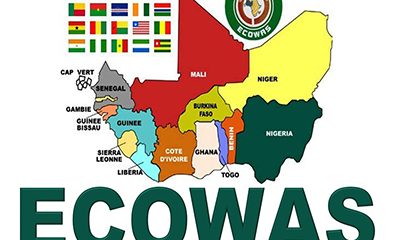
Beyond the ECOWAS–AES Divide: Rethinking Regional Cooperation, Peace and Security in West Africa
-

 News20 hours ago
Tinubu Committed to Transforming Nigeria’s Electricity Sector, Says Power Minister
-
 Crime17 hours ago
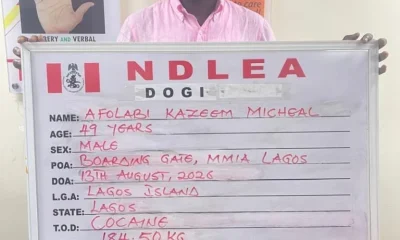
NDLEA Arrests Alleged Cocaine Trafficking Kingpin at Lagos Airport
-
 News21 hours ago
Mangu Killings: ADC Governorship Candidate Calls for Immediate Security Action
-

 News20 hours ago
Tinubu Urges Politicians to Avoid Divisive Politics Ahead of 2027 Elections
-
 News20 hours ago
Delta to Train 1,000 Youths in Agribusiness to Boost Agriculture
-
 News21 hours ago
24 Killed, Three Injured in Fresh Attack on Plateau Community
You must be logged in to post a comment Login