
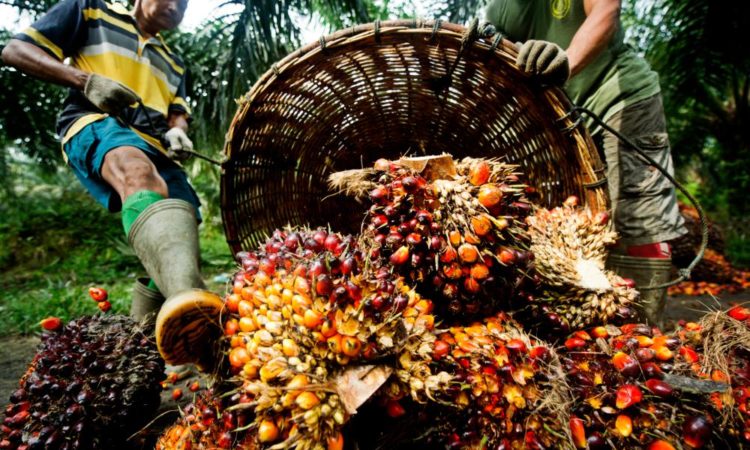

Nigeria spends $600 million annually on importing palm oil, according to the National Palm Produce Association of Nigeria (NPPAN). Alphonsus Inyang, the association’s national president, highlighted this issue in an interview with the News Agency of Nigeria (NAN) in Abuja, describing the expenditure as detrimental to national development.
Inyang stressed that this significant sum could be reinvested into the economy if the palm oil sector received proper attention from successive governments. He lamented Nigeria’s shift from being self-sufficient in palm oil production to becoming heavily reliant on imports.
Recalling Nigeria’s past leadership in the global palm oil market during the 1960s, Inyang noted that the country once controlled over 60% of the world’s palm oil production and exportation. Today, however, more than 50% of Nigeria’s palm oil consumption is imported.
“Nigeria now ranks fifth among palm oil-producing countries, trailing behind Indonesia, Malaysia, Thailand, and Colombia,” Inyang said. He warned that Nigeria might lose this position to smaller countries investing heavily in the sector. Indonesia leads with 50 million metric tons, followed by Malaysia with 19 million metric tons, Thailand with 3.28 million metric tons, and Colombia with 1.9 million metric tons.
Inyang attributed Nigeria’s decline in the sector to the neglect by successive governments. Based on data from the U.S. Department of Agriculture, Nigeria currently produces 1.4 million metric tons, accounting for just 1.5% of the world’s total output. Despite being the largest consumer of palm oil in Africa, with a yearly consumption of approximately three million metric tons, domestic production falls short, creating a deficit of over 1.6 million metric tons.
To address this gap, Inyang called on the federal ministry of agriculture and food security to support NPPAN members with necessary inputs to develop 250,000 hectares annually. “Our members can plant up to 250,000 hectares per year through the association’s National Oil Palm Strategy Development Plan. We need seedlings, fertilizers, logistics, and implements,” he stated. “This initiative could help close the production gap within four years and create new millionaires in 28 states across the federation,” Inyang added.