
Nigeria’s economic landscape continues to shift, with a rebased Gross Domestic Product (GDP) now benchmarked to 2019 instead of 2010. This adjustment offers a more accurate reflection of today’s economy by better capturing the rise of emerging sectors like digital services, while reducing the outdated weight of older industries.
According to data from the National Bureau of Statistics (NBS), Nigeria’s nominal GDP stood at ₦94.05 trillion in Q1 2025—an 18.30% year-on-year increase from ₦79.51 trillion in Q1 2024. However, GDP fell by 9.97% compared to Q4 2024 (₦104.47 trillion), reflecting seasonal slowdowns and tighter monetary policies.
Despite inflation and naira depreciation, key sectors like Real Estate, Trade, Crop Production, and Telecommunications maintained strong positions, collectively driving 75.17% of total GDP in the quarter.
Top 10 Sectors by Nominal GDP – Q1 2025
1. Real Estate – ₦16.42 trillion (17.46%)
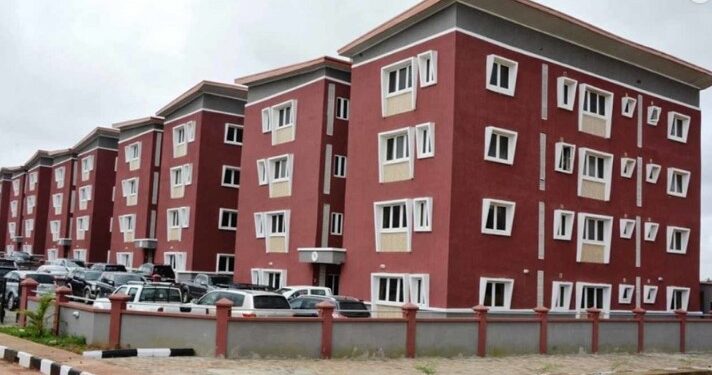
Real estate led the economy in Q1 2025, with output surging 80.09% from ₦9.12 trillion in Q4 2024. Increased investments in housing, urban infrastructure, and commercial property—especially in Lagos and Abuja—drove growth. High demand for office space and rentals also contributed to the sector’s dominant performance.
2. Trade – ₦14.59 trillion (15.52%)
Trade maintained its strong influence despite a 27.2% quarter-on-quarter decline from ₦20.04 trillion. The drop was attributed to reduced consumer spending, high inflation, and import restrictions. However, informal trade, cross-border commerce, and customs digitalization helped cushion the fall.
3. Crop Production – ₦11.78 trillion (12.53%)
Although crop production dropped 38.32% from the previous quarter due to post-harvest seasonality and insecurity, it remained a major contributor. Government support through fertilizer subsidies and irrigation programs helped stabilize output. High food prices also kept nominal values elevated.
4. Telecommunications & Information Services – ₦7.24 trillion (7.70%)
This sector held steady, reflecting strong demand for mobile data, internet access, and digital services. While nominal output dipped 1.91%, growth in fintech, edtech, and broadband access, especially in rural areas, helped maintain momentum.
5. Construction – ₦5.06 trillion (5.38%)
Construction expanded by 9.93% quarter-on-quarter, driven by continued investment in roads, housing, and infrastructure. Both public and private sector projects contributed, though high input costs—particularly for cement—remained a concern.
6. Crude Petroleum and Natural Gas – ₦3.67 trillion (3.90%)
The oil and gas sector rebounded with an 11.8% increase from Q4 2024. Still, production challenges, underinvestment, and pipeline vandalism kept its contribution modest. Slight recovery in global oil prices aided nominal growth.
7. Food, Beverage and Tobacco – ₦3.53 trillion (3.75%)
Despite inflation, this sector recorded 3.48% growth, supported by strong demand for staples like snacks and beverages. Manufacturers increasingly turned to local sourcing to manage forex pressures and sustain production.
8. Livestock – ₦3.32 trillion (3.53%)
Livestock saw the sharpest quarter-on-quarter decline (55.67%), largely due to seasonal slaughter patterns after festive periods. Yet, rising demand for meat and dairy, coupled with commercial poultry growth, kept the sector in the top 10.
9. Financial Institutions – ₦2.62 trillion (2.79%)
Financial services expanded 2.41% from the previous quarter, supported by digital banking and fintech adoption. However, tight liquidity and forex losses posed challenges. Recapitalization efforts by the Central Bank also drew investor attention.
10. Textile, Apparel, and Footwear – ₦2.45 trillion
Rounding out the top 10, the fashion and textile industry saw a modest decline from ₦2.65 trillion in Q4. Sustained demand for locally made clothing and the revitalization of industrial hubs in Kaduna and Aba supported growth, though rising material costs remained a challenge.
Conclusion
In Q1 2025, Nigeria’s economy showed a mix of resilience and adjustment. While inflation and monetary tightening led to a quarterly contraction, sectors like real estate, trade, and crop production continued to anchor the economy.
As Nigeria adapts to a more digitally driven and urban-focused economy, ongoing reforms, infrastructure development, and strategic support for key industries will play a critical role in shaping future performance.