
More than 40 Nigerians have completed the first phase of a Chinese language training programme organised by the China Cultural Centre, as stakeholders emphasise the role of language education in strengthening relations between China and Nigeria.
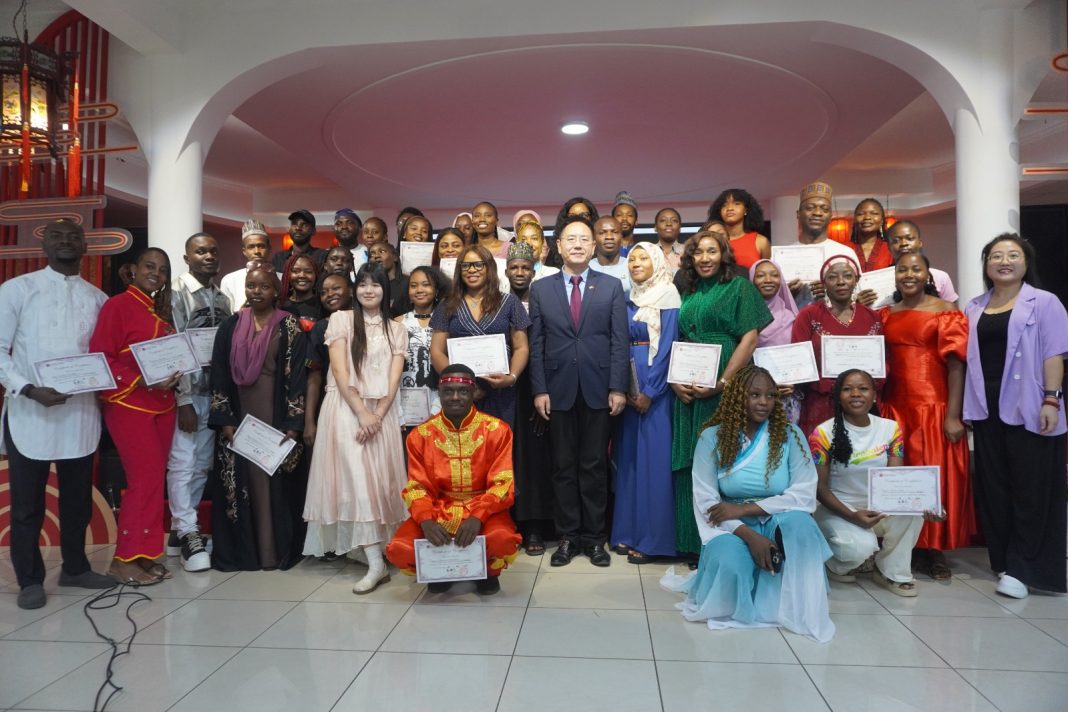
The graduation ceremony, held in Abuja on Friday, brought together students, educators and cultural enthusiasts, with activities ranging from artistic displays to the award of certificates to participants in HSK 1, HSK 2 and HSK 3 categories.
Addressing the gathering, the Centre’s Director, Yang Jianxing, applauded the commitment of the students and highlighted the global relevance of the Chinese language. He noted that the language carries thousands of years of cultural heritage and continues to play an important role in international communication.
He pointed out that Chinese is among the official languages used in global diplomacy and is studied by millions of people across the world, reflecting its expanding influence. According to him, acquiring proficiency in the language offers deeper insight into China’s development and opens doors to opportunities in trade, education and cultural exchange.
Yang also drew attention to China’s current development agenda under its latest five-year plan, which prioritises quality growth and stronger international partnerships, including ongoing cooperation with Nigeria. He expressed optimism that educational initiatives like the language programme would further boost mutual understanding between both countries.
Providing details of the training, tutor Qiu Nan said 42 students successfully completed the programme, spread across beginner and intermediate levels. She explained that the HSK certification system measures learners’ proficiency from basic communication skills to advanced fluency.
She praised the determination of Nigerian students, describing them as highly committed learners who invest significant effort in mastering the language. Drawing from her experience teaching in different countries, she said students in Nigeria stand out for their diligence.
Qiu encouraged more Nigerians to explore opportunities in Chinese language education, noting that such skills can enhance career prospects and foster stronger international engagement.
For one of the graduates, Igwe Israel Okezie, the programme represents more than just academic achievement. He described learning Chinese as a strategic step toward personal and professional advancement, driven by his interest in languages and global opportunities.
He rejected the notion that the language is inherently difficult, stressing that consistent effort and discipline are key to success. Okezie also pointed to China’s growing role in technology, education and global development as a major reason for learning the language, adding that it provides access to wider international networks.
He urged young Nigerians to take advantage of emerging opportunities by acquiring new skills and maintaining a positive outlook toward self-development.
The ceremony also featured a cultural showcase highlighting China’s northeastern region, known for its rich traditions, cuisine and historical significance in the country’s industrial growth.