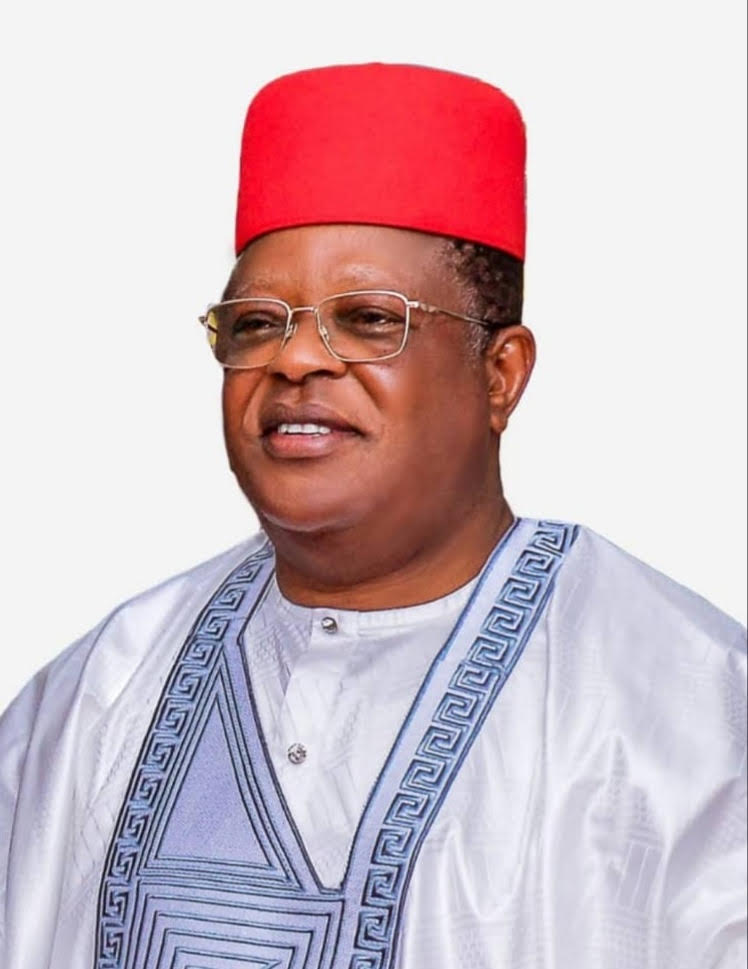
By Oladosu Adebola Oluwaseun
Nigeria, with its large and growing population, faces significant environmental challenges, including the management of plastic waste. The country’s urbanization and economic growth have led to increased consumption and waste generation, with plastic waste being a major concern. However, recycling innovations are transforming this waste problem into economic opportunities.
This essay critically analyzes how recycling innovations are creating new economic opportunities in Nigeria, supported by relevant statistics and case studies.
Nigeria generates approximately 2.5 million tons of plastic waste annually, with a significant portion ending up in landfills, water bodies, and the environment. Lagos, Nigeria’s largest city, alone produces about 13,000 metric tons of waste daily, with plastic waste comprising a substantial part of it. This mismanagement of plastic waste poses environmental hazards and represents an untapped economic opportunity.
Traditional mechanical recycling involves the collection, sorting, cleaning, and reprocessing of plastic waste into new products. Advances in this field have improved the efficiency and quality of recycled plastics, creating economic opportunities in Nigeria.
Wecyclers, a Lagos-based company, uses low-cost cargo bicycles to collect recyclable waste from households. They incentivize participation by providing redeemable points for recyclables. This innovation has created jobs, improved waste management, and provided raw materials for local industries. Wecyclers collected over 500 tons of waste in its first two years of operation and has expanded its operations significantly since then.
Chemical recycling breaks down plastics into their molecular components, which can then be used to produce new plastics or other chemicals. This method can handle mixed and contaminated plastics that are difficult to recycle mechanically.
Waste-2-Worth, a Nigerian startup, employs chemical recycling techniques to convert plastic waste into synthetic crude oil and other valuable products. By doing so, they address the challenge of plastic waste while creating economic value from waste materials.
Pyrolysis is a process that involves heating plastic waste in the absence of oxygen to produce oil, gas, and char. The oil can be refined into fuels or used as a raw material for new plastics.
GEB (Green Energy and Biofuels), based in Lagos, uses pyrolysis to convert plastic waste into biofuels. This innovation not only reduces plastic waste but also provides an alternative energy source, contributing to Nigeria’s energy needs. The company has processed thousands of tons of plastic waste, producing significant quantities of biofuel.
Recycling innovations have created numerous jobs in Nigeria, from waste collection to processing and manufacturing.
According to a report by the Lagos State Waste Management Authority (LAWMA), the recycling sector in Lagos alone has created over 5000 jobs. These include formal jobs in recycling plants and informal jobs in waste collection and sorting.
The rise of recycling startups and small businesses in Nigeria has spurred entrepreneurship and innovation.
RecyclePoints, a startup that incentivizes waste collection through a rewards program, has seen significant growth. By partnering with corporate organizations, they have expanded their reach and impact, providing opportunities for small-scale entrepreneurs and waste collectors.
Recycled plastics provide a cheaper and sustainable raw material supply for various industries, including packaging, construction, and manufacturing.
Aleph Tav Limited, a Nigerian company, produces interlocking tiles and roofing sheets from recycled plastic waste. This not only reduces the demand for virgin materials but also offers cost-effective building solutions, promoting sustainable construction practices.
By reducing plastic waste and promoting recycling, Nigeria can achieve significant environmental benefits and cost savings related to waste management and environmental cleanup.
A study by the Nigerian Conservation Foundation (NCF) found that effective plastic recycling could reduce waste management costs by up to 30%. Additionally, reducing plastic pollution can save costs associated with environmental degradation and public health issues.
The lack of adequate infrastructure and logistics for waste collection and recycling poses a significant challenge. Many areas, especially rural regions, lack proper waste management systems.
According to a World Bank report, only about 40% of urban waste in Nigeria is collected, and less than 10% of rural waste. This gap highlights the need for investment in waste management infrastructure.
Low public awareness and participation in recycling programs hinder the effectiveness of recycling initiatives.
A survey by the Nigerian Environmental Society (NES) revealed that only 30% of Nigerians are aware of recycling programs, and even fewer actively participate. Increasing public awareness through education and incentives is crucial for improving participation rates.
Inconsistent and inadequate regulatory and policy support can stifle the growth of the recycling sector. Clear policies and incentives are needed to promote investment and innovation in recycling.
While Nigeria has made progress with policies such as the Extended Producer Responsibility (EPR) framework, implementation remains weak. Strengthening policy enforcement and providing incentives for recycling businesses can drive further growth.
Access to funding and investment is a critical barrier for recycling startups and businesses. Many entrepreneurs struggle to secure the necessary capital to scale their operations.
According to the African Development Bank (AfDB), there is a significant funding gap in the waste management sector in Africa, including Nigeria. Bridging this gap requires increased investment from both public and private sectors.
Investing in waste management infrastructure, including collection systems, recycling plants, and logistics, is essential for supporting the growth of the recycling sector.
The Nigerian government should prioritize waste management infrastructure in its budget and seek partnerships with international donors and private investors.
Implementing comprehensive public awareness campaigns can increase participation in recycling programs.
Schools, community organizations, and media should be engaged in educating the public about the benefits of recycling and how to participate effectively.
Strengthening regulatory frameworks and providing incentives for recycling businesses can promote investment and innovation.
Tax breaks, grants, and subsidies for recycling companies can attract more entrepreneurs and investors to the sector.
Improving access to funding and investment for recycling startups is crucial for scaling operations and driving innovation. Banks and financial institutions should develop tailored financial products for recycling businesses, while government and international agencies can provide grants and low-interest loans.
Recycling innovations in Nigeria are transforming plastic waste from an environmental problem into an economic opportunity. By leveraging mechanical recycling, chemical recycling, and pyrolysis technologies, Nigerian entrepreneurs and businesses are creating jobs, supplying raw materials, and contributing to sustainable development. However, challenges such as inadequate infrastructure, low public awareness, and insufficient funding need to be addressed. With increased investment, public engagement, and regulatory support, Nigeria can fully realize the economic potential of recycling plastic waste and turn it into “plastic gold.”
Oladosu Adebola Oluwaseun is an environmental journalist and a Post graduate student of the International Institute of Journalism (IIJ)