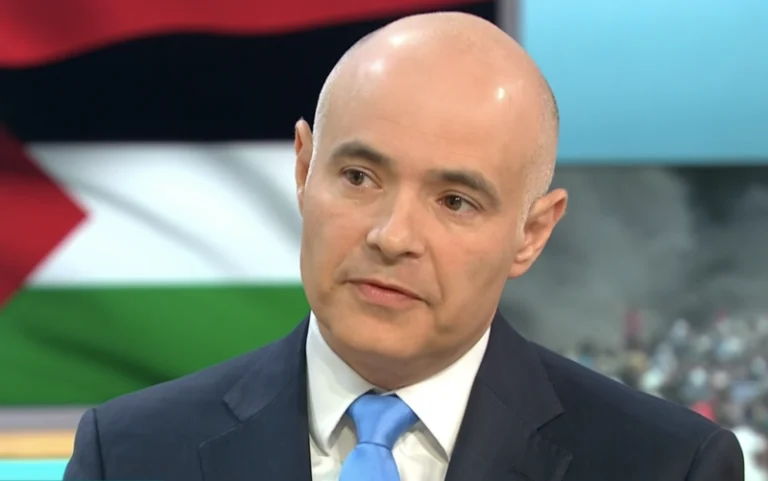

The Chief Executive Officer of the Centre for the Promotion of Private Enterprises (CPPE), Dr Muda Yusuf, has said Nigeria could record economic growth of between 4 and 4.5 per cent in 2026 if current reforms are sustained, budget assumptions are made more realistic and key structural constraints are addressed.
Yusuf, a former Director-General of the Lagos Chamber of Commerce and Industry, made the remarks on Tuesday during an interview on ARISE News. He noted that while key macroeconomic indicators are beginning to stabilise, several downside risks could derail growth if not properly managed.
He identified oil price volatility, geopolitical tensions, insecurity and lingering controversies around tax reforms as major risks, urging greater caution in fiscal planning.
“Many of us have projected a positive outlook, but oil price volatility remains a major risk,” Yusuf said, calling on the National Assembly to review budget assumptions, particularly those related to crude oil prices and production levels.
According to him, overly optimistic revenue projections have in the past weakened budget credibility and implementation.
“The more cautious we are with these assumptions, especially on revenue, the better for planning and for achieving budget targets,” he said, stressing that future fiscal assumptions must be “much more realistic.”
Commenting on global developments, Yusuf said geopolitical issues, including tensions involving Venezuela, may not have an immediate or significant impact on global oil markets due to the country’s low output and prolonged investment challenges.
“Venezuela has not been performing well in the oil market. Production and investment have been low, and sanctions have affected output, so the current situation may not materially affect oil prices in the short term,” he explained.
On tax reforms, Yusuf acknowledged that some of the controversies have begun to subside but cautioned that implementation must be pragmatic to avoid creating fresh economic disruptions.
“The law must be obeyed, but implementation should be practical and sensitive so that the anxiety around it does not become another major economic problem,” he said.
Addressing concerns about jobless growth, Yusuf argued that strong GDP numbers alone do not translate into improved living standards, noting that employment growth is closely tied to investment and productivity.
“Job creation is driven by investment, and investment depends on the quality of the business environment,” he said, adding that macroeconomic stability must be complemented by productivity-enhancing reforms.
He highlighted persistent structural challenges such as poor power supply, regulatory bottlenecks and institutional inefficiencies, warning that these continue to discourage both local and foreign investors.
“If productivity issues persist, even with macroeconomic stability, it becomes difficult for investors to sustain or expand their investments,” Yusuf said.
The CPPE chief identified agriculture, construction, trade, ICT, entertainment and tourism as job-elastic sectors capable of driving inclusive growth if supported by appropriate fiscal, monetary and trade policies.
“These sectors employ large numbers of people. When they grow, they create more jobs,” he said, noting that agriculture, construction and distributive trade have particularly strong employment potential given Nigeria’s population size.
He also called for deeper regulatory and public sector reforms, warning that a transactional approach by some regulatory agencies continues to hamper private sector activity.
“The regulatory environment plays a critical role in investment decisions. In some cases, regulators have become impediments rather than enablers,” Yusuf said.
He concluded that Nigeria’s economic transformation ultimately depends on creating an environment in which private enterprise can thrive.
“It is the private sector that creates jobs, not government. Everything comes down to the environment and the policy mix that supports entrepreneurs,” Yusuf added.