
Uncategorized
Three Years of Renewed Public Communication: Information and National Orientation Ministry under Mohammed Idris

By Sampson Ikemitang
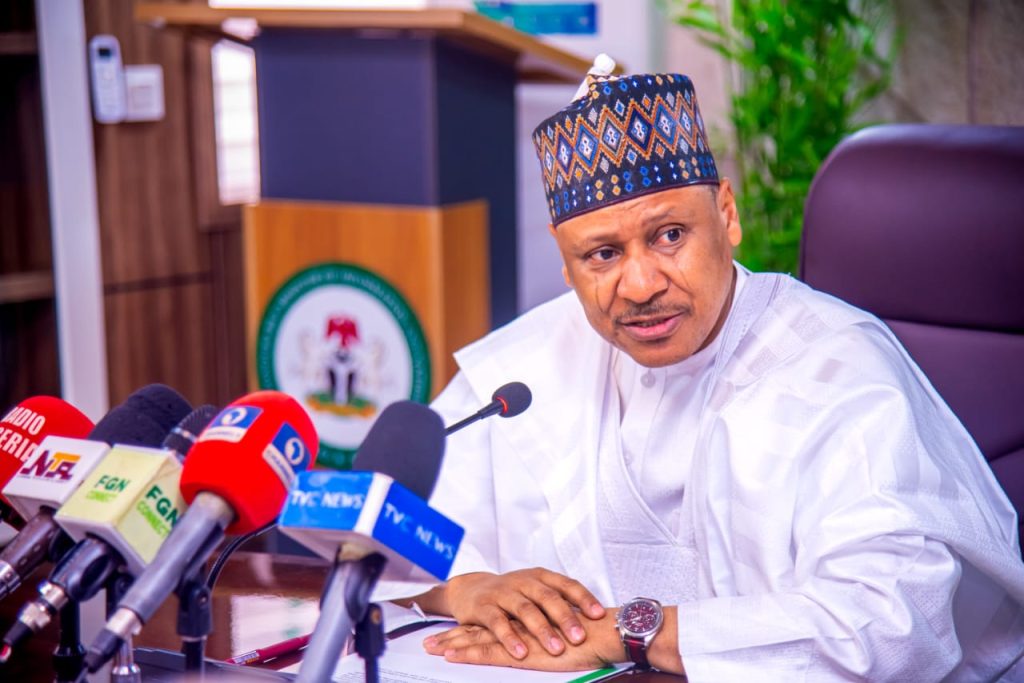
Since assumption of office as Nigeria’s Minister of Information and National Orientation in August 2023, Mohammed Idris has led a significant transformation of the Ministry. At a time marked by economic reforms, security challenges and rising public demand for accountability, the Ministry has sought to redefine government communication through transparency, strategic engagement and national value re-orientation.
Under Idris’ leadership, the ministry has focused on rebuilding public trust, improving access to verified information, strengthening media relations and promoting national cohesion. His administration has indeed positioned communication as a tool not only for governance but also development.
One of the Ministry’s major achievements has been the emphasis on fact-based public communication. Mohammed Idris has repeatedly stressed that the era of propaganda-driven communication should give way to accurate and verifiable information dissemination. Recall that during an oversight visit by the House Committee on Information and National Orientation in April 2024, Minister Idris reaffirmed the ministry’s commitment to transparency and credibility in government messaging.
This renewed communication strategy became particularly evident through the re-introduction and strengthening of the Ministerial Press briefing series. The initiative has undoubtedly created a direct platform for ministers and government officials to engage the media and explain government’s policies, reforms and programmes to Nigerians. In fact, it cannot be controverted that the platform has in no small measure, enhanced openness and availed the citizens with clear insights into economic reforms, investment initiatives and social intervention programmes of the Bola Ahmed Tinubu led government.
Another notable achievement under Idris has been the strengthening of collaboration between government and the media. Coming into office with decades of experience in Journalism, Public Relations and broadcasting, Idris leveraged his professional background to foster improved relations with media stakeholders. Recall that before his appointment, he founded the Blueprint Newspaper, and WE FM and served as General Secretary of the Newspaper Proprietors’ Association of Nigeria.
Under his watch, the ministry has consistently projected support for Press Freedom and responsible Journalism. For instance, during the 2026 World Press Freedom Day celebration, Idris reaffirmed the Federal Government’s commitment to free press while calling for collaborative efforts to combat the menace of disinformation and fake news. He noted that Journalism had not faced persecution for responsible reporting under Bola Ahmed Tinubu led administration. This position has earned accolades from media practitioners and reinforced confidence in democratic engagement in the country.
In the same vein, the ministry has played a central role in promoting national unity and strategic communication. Through national orientation campaigns and public sensitisation programmes, the ministry has emphasised patriotism, civic responsibility and peaceful co-existence. Minister Idris has continued to highlight the importance of inclusive governance, and communication in fostering national cohesion, particularly in a diverse country like Nigeria.
Again, the Ministry under his watch has deepened engagement with its agencies and parastatals viz:- Nigerian Television Authority (NTA), Federal Radio Corporation of Nigeria (FRCN), News Agency of Nigeria (NAN) and Voice of Nigeria (VON). These agencies have increasingly been repositioned to support the timely dissemination of government policies and national development narratives across local and international audiences.
Another important contribution of the Ministry has been its role in communicating government responses to national challenges. At a period when Nigerians were grappling with inflation and economic adjustments occasioned by policy reforms, the ministry intensified efforts to explain government actions and reassure citizens about long-term recovery plans. Idris has consistently used public engagements to communicate government intervention in Agriculture, Security and economic stabilization etcetera.
More so, the ministry has expanded strategic communication around national security issues. Through collaboration with security agencies and public information channels, the ministry has supported efforts to counter disinformation and fake news, thus, sustaining public confidence in the ongoing security operations. Idris has repeatedly emphasised the government’s determination to confront terrorism, banditry and violent extremism while encouraging national solidarity.
In addition, under Idris’ watch, Nigeria officially hosts the first-ever UNESCO Category 2 International Media and Information Literacy Institute (C2 IMILI), in Abuja. This marks a major milestone for Africa in advancing media and information literacy; thus, equipping citizens with the tools to critically evaluate information in the digital age.
Perhaps, one of the defining features of Mohammed Idris’ tenure has been the attempt to reposition public information management as an instrument of democratic accountability rather than mere political publicity. His approach reflects a broader effort to modernise Nigeria’s communication architecture and align it with global best practices in governance communication.
While challenges remain in ensuring public trust amid difficult socio-economic realities, the Ministry of Information and National Orientation under Mohammed Idris has demonstrated a deliberate commitment to transparency, media engagement, value re-orientation and strategic communication. Through reforms, stakeholders engagement and renewed public communication initiatives, the ministry continues to play a vital role in shaping the relationship between government and the citizenry in contemporary Nigeria.
Ikemitang writes from Federal Ministry of Information and National Orientation, Abuja.

By Jabiru Hassan
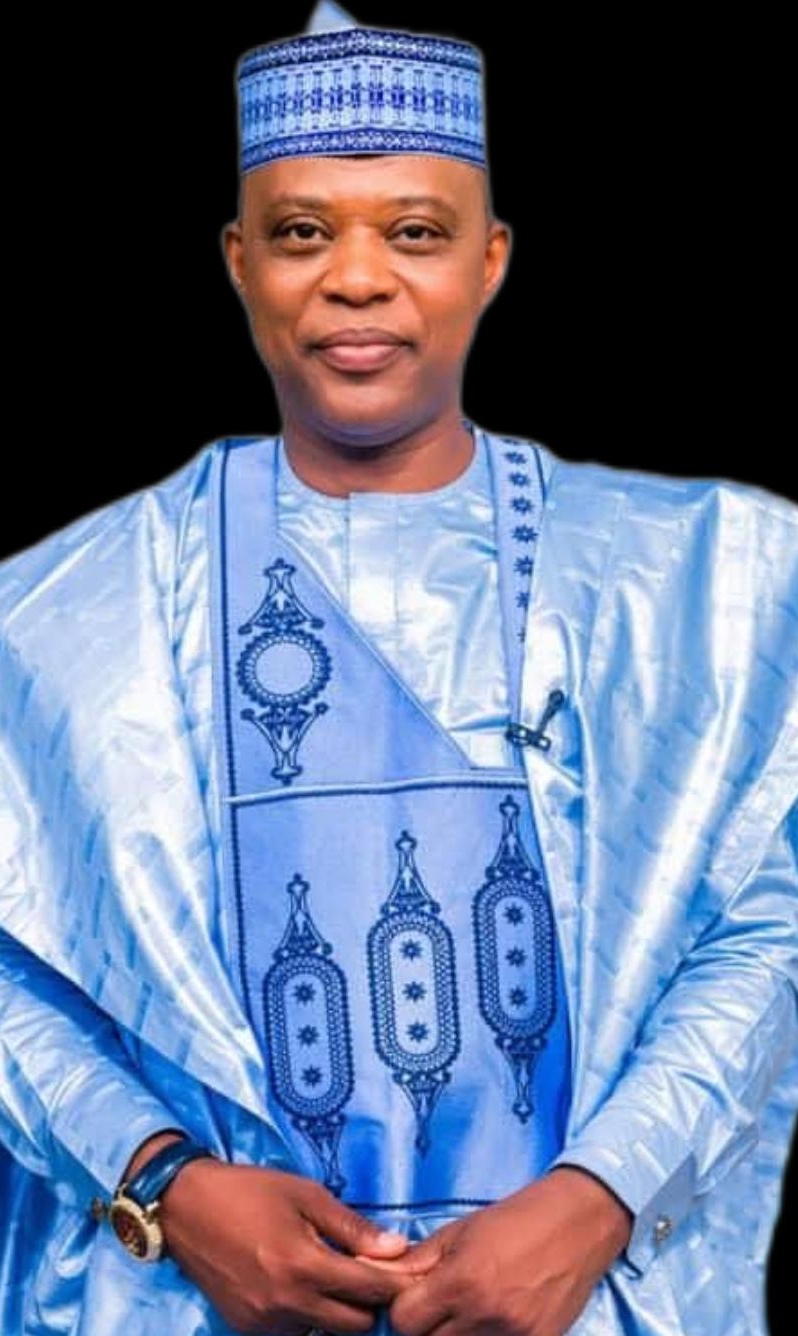
The Presidential Candidate of the Action Democratic Party (ADP), Ambassador Aliyu Bin Abbas, yesterday participated in the historic signing of the first Peace Accord organised by the National Peace Committee at the International Conference Centre, Abuja.
Ambassador Aliyu Bin Abbas commended the committee for the timely initiative and reaffirmed his unwavering commitment to peaceful, credible, transparent and violence-free elections in 2027.
He urged all political leaders, candidates and supporters to embrace issue-based campaigns, respect democratic values and reject violence, hate speech and intimidation.
“No political ambition is worth the blood, peace and future of Nigeria. We may contest against one another, but we must never become enemies of Nigeria.”
He called on Nigerians, especially the youth, to participate actively and peacefully in the democratic process and vote for leadership that will unite and transform the nation.
News
24 Bandits Killed As Army, DSS, Vigilantes Foil Mass Kidnap in Katsina Community, Rescue Victims

At least 24 bandits were killed on Tuesday after soldiers of the Nigerian Army, operatives of the Department of State Services (DSS), Katsina Community Watch Corps foiled an attempt to mass-kidnap persons in Gidan Bawa village, Kandarawa Ward, Bakori Local Government Area of the state.
According to a security source, the operation followed sustained intelligence which uncovered plans by about 40 gunmen loyal to notorious bandit kingpin, Isiya Kwashen Garwa, to invade the village and abduct many residents, especially women and children.
The plot, sources said, was intended to replicate the mass abduction of residents of Woro community in Kwara State, ostensibly to embarrass the government.
Acting swiftly on the intelligence, DSS operatives mobilised the Community Watch Corps, and the Civilian Joint Task Force (CJTF) from Guga camp, and ambushed the bandits.
The source disclosed that the joint security operatives neutralised 24 bandits and rescued the abducted villagers.
Security operatives also recovered 19 stolen cattle from the community during the raid.
The source added that there were ongoing efforts to track down the fleeing bandits.

Stephen Olufemi Oni, Ilorin
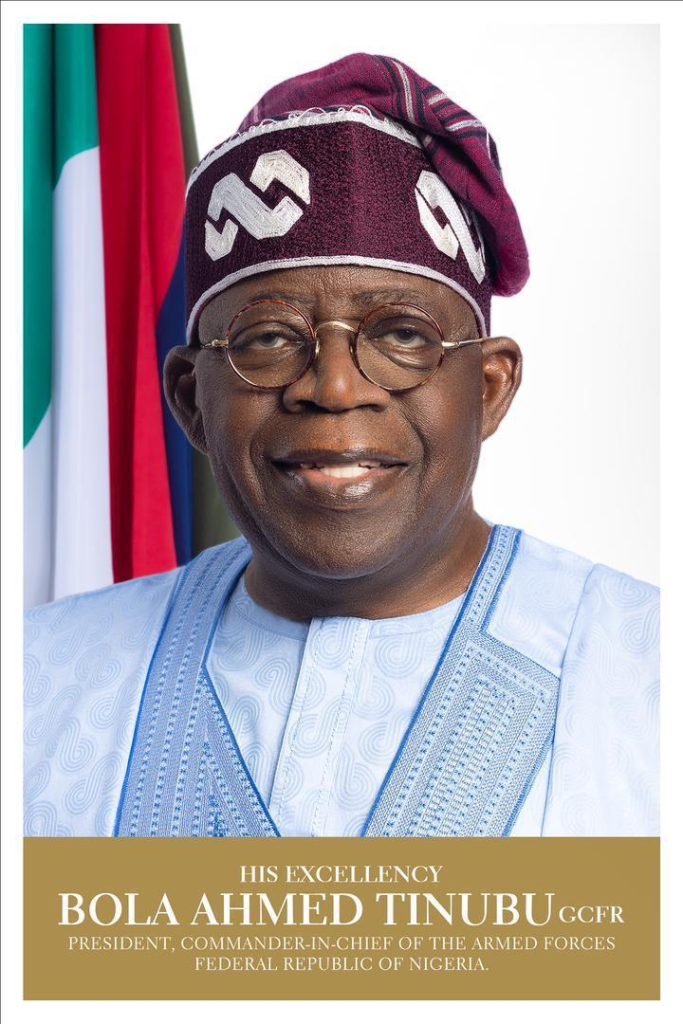
President Bola Ahmed Tinubu has charged Nigerian universities to move beyond the traditional focus on awarding degrees and reposition themselves as centres of innovation, practical skills, research and national development.
The President gave the charge on Tuesday in Ilorin, Kwara State, while declaring open the 37th Annual Conference and General Assembly of the Committee of Vice-Chancellors of Nigerian Universities (CVCNU), held at the University of Ilorin.
Represented by the Minister of State for Education, Professor Suwaibat Saidu Ahmad, President Tinubu said the country could not achieve sustainable economic transformation without corresponding investment in human capital.
He described universities as critical partners in the Federal Government’s development agenda, stressing that they must produce graduates capable of responding to the realities of a rapidly changing global economy.
“Universities are more than institutions where degrees are awarded. They are centres of knowledge creation, innovation, critical thinking, entrepreneurship, cultural development and national transformation,” he said.
According to him, Nigerian universities must produce graduates who are not only academically sound but also innovative, ethical, digitally competent, entrepreneurial, adaptable and capable of solving real-world problems.
He challenged university authorities to reconsider the quality and relevance of graduates being produced, particularly in an era dominated by artificial intelligence, automation, biotechnology, data science, renewable energy and advanced manufacturing.
“The question before us is no longer simply whether our universities are producing graduates. The more foundational question is: what kind of graduates are we producing? How effectively are our universities preparing them to contribute to Nigeria’s economic and social transformation?” he asked.
Tinubu said his administration was pursuing reforms aimed at improving the quality, relevance, accessibility, affordability and accountability of tertiary education.
He explained that the Federal Ministry of Education was implementing the Nigerian Education Sector Renewal Initiative, with particular attention to institutional governance, quality assurance, research and innovation, digital transformation, skills development and stronger university-industry linkages.
The President also called for stronger practical training in Nigerian universities, noting that academic knowledge must be complemented by hands-on experience.
He disclosed that the government had begun reviewing curricula, particularly in agriculture, to shift the emphasis from theory to practical training.
“We are moving away from 70 per cent theory and 30 per cent practical to a robust 80 per cent practical and 20 per cent theory,” he said.
He added that accreditation requirements would now compel universities, faculties and departments of agriculture to establish partnerships with relevant industries, while students would be expected to undertake industrial attachments throughout their academic programmes.
According to him, the same approach would gradually be extended to other disciplines through the review of the Core Curriculum and Minimum Academic Standards (CCMAS).
Tinubu further urged vice-chancellors to strengthen research partnerships with government, industry, development partners and communities so that research findings could be transformed into products, services, policies, technologies and practical solutions to national challenges.
“Nigeria cannot become a globally competitive economy by relying primarily on the consumption of knowledge generated elsewhere,” he said.
“Our universities must become powerful engines of research, innovation, technology development and entrepreneurship.”
The President also emphasised the importance of effective university governance, urging vice-chancellors to strengthen accountability, improve institutional planning and deploy public resources prudently.
He noted that vice-chancellors were not only academic leaders but also managers, employers, financial stewards, community leaders and strategic partners in national development.
“Leadership, vice-chancellorship, is not about research. It is about administrative skills. It is about the ability to manage both research and humans at the same time,” he said.
On graduate employability, Tinubu said universities must ensure that their curricula reflected the changing demands of the labour market.
He urged institutions to strengthen internships, entrepreneurship programmes, work-based learning and university-industry partnerships, saying graduates should leave university not merely as job seekers but as value creators, innovators, entrepreneurs, professionals, researchers and responsible citizens.
The President also highlighted student welfare and access to education, saying government interventions, including the Nigerian Education Loan Fund, were designed to reduce financial barriers and expand access to tertiary education.
He, however, stressed that financial support must be accompanied by quality academic programmes, adequate infrastructure, effective student services and safe and inclusive learning environments.
Tinubu called for collective action among government, universities, students, academics, the private sector, development partners, professional bodies, regulators, alumni and communities to transform the nation’s university system.
He said the 37th CVCNU conference presented an opportunity for university leaders to move beyond identifying challenges and develop practical solutions capable of strengthening Nigeria’s higher education system.
The President commended the CVCNU for sustaining the annual platform for dialogue and collaboration and congratulated the University of Ilorin for hosting the conference.
He declared the conference officially open, urging participants to use the gathering to build a more competitive, innovative, inclusive and responsible university system.
Meanwhile, the Kwara State Government called for university reforms that would produce tangible benefits for communities rather than recommendations that would remain on government and institutional shelves.
Representing Governor AbdulRahman AbdulRazaq at the conference, the Commissioner for Education and Human Capital Development and Supervising Commissioner for Tertiary Education, Dr Lawal Olohungbebe, welcomed the vice-chancellors to Kwara State and described the University of Ilorin as one of the state’s greatest educational assets.
He said the state government recognised the importance of tertiary education but stressed that meaningful reform must begin from the basic education level.
Olohungbebe said the state introduced the KwaraLEARN programme to strengthen supervision and improve teaching and learning in public primary schools, particularly in rural communities.
“With KwaraLEARN, we are able to supervise every teacher in the class. Who is in the class, who is not in the class, and not just being in the class. What are you doing in the class?” he said.
According to him, strengthening basic education would help prepare children before they eventually enter universities.
He also praised the University of Ilorin for hosting the conference, describing the gathering of vice-chancellors as a major opportunity for knowledge-sharing and policy development.
Olohungbebe said the experience represented by the university leaders in attendance was enormous, noting that their collective years of experience could be deployed to address Nigeria’s educational challenges.
He urged participants to ensure that the outcomes of the conference translated into practical interventions that would have direct impact on communities.
“We look forward to having fruitful deliberations, and not just the ones that will end up on the shelves, but the ones that will end up in our communities, making a local impact and international relevance,” he said.
The 37th CVCNU conference brings together vice-chancellors and other stakeholders in Nigeria’s university system to deliberate on the future of tertiary education and strategies for strengthening the sector amid rapid technological, economic and social changes.


Kogi Police Intensify Bush Clearance Operations in Forests
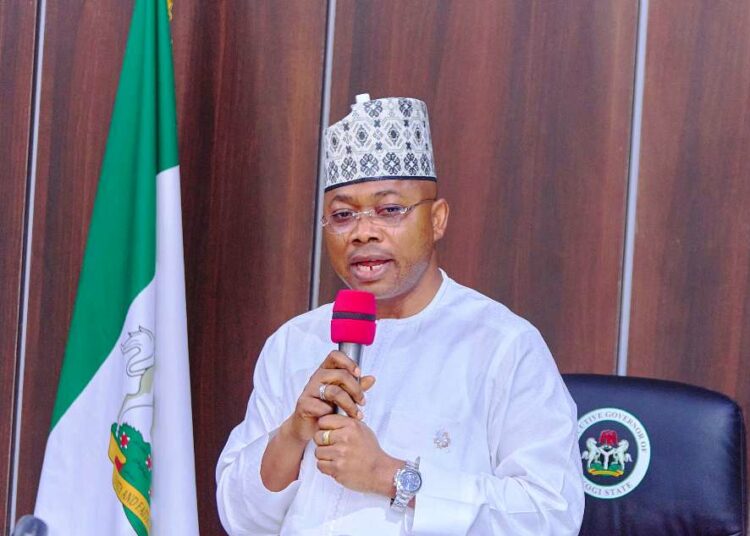
Ododo Urges TETFund to Focus Research on Practical Solutions

Akwa Ibom Police Launch ‘One to Tell Ten’ Initiative to Discourage Youth Crime
-
News24 hours ago
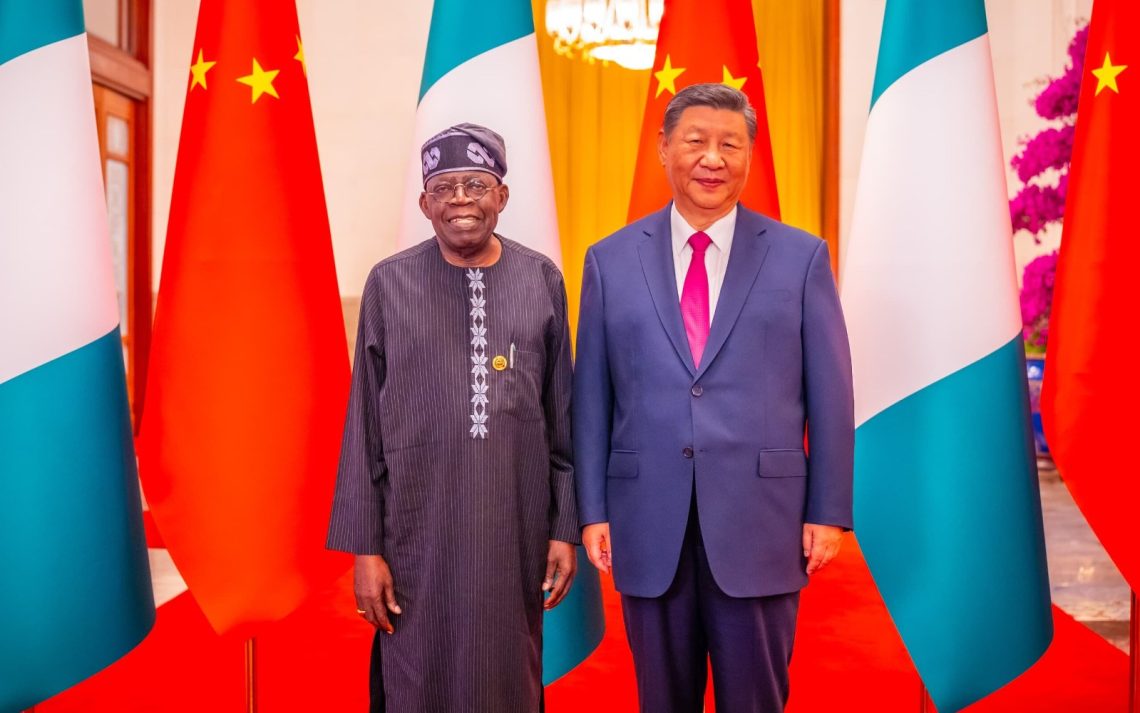
Gov Sule Commends DSS, Other Security Agencies Over Rescue of Kidnapped Victims in Nasarawa State
-
 Business14 hours ago
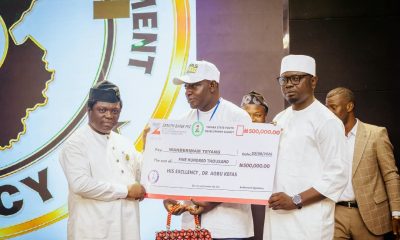
Gov Kefas Launches Youth Enterprise Fund, Empowers Over 200 Taraba Youths With N500,000 Each
-
 News7 hours ago
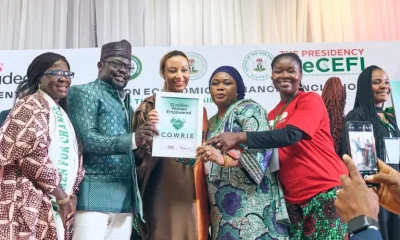
Women Must Become Co-Creators of Prosperity, Minister Says
-

 Metro plus8 hours ago
46 Bodies Recovered After Sokoto Boat Accident
-

 Entertainment7 hours ago
Bella Okagbue Breaks Silence on Sheggz Breakup, Addresses Marriage and Engagement Plans
-
News14 hours ago
Bandits Attack Kaduna Millennium City, Kill Vigilante, Abduct Woman, Son
-
 News8 hours ago
WAEC releases 2026 WASSCE certificates on digital platform
-

 Business8 hours ago
Bitcoin Surges Above $77,000 on US Crypto Policy Optimism
You must be logged in to post a comment Login