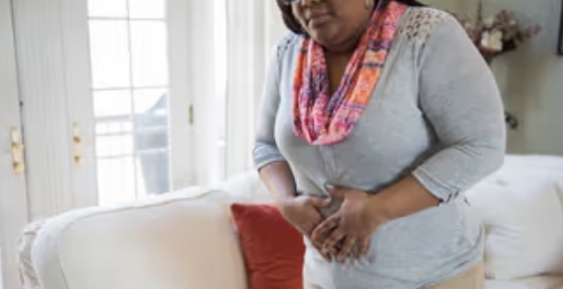

When the term “hernia” comes up, it’s often associated with men, isn’t it? However, let’s dispel this misconception: women can, and do, experience hernias.
This misunderstanding stems from the fact that certain types of hernias are more commonly seen in men. Nevertheless, hernias do not discriminate based on gender. So, ladies, it’s crucial to stay informed.
Understanding Hernias
Firstly, what exactly is a hernia? Put simply, it occurs when an organ or fatty tissue pushes through a weak spot in the surrounding muscle or connective tissue known as fascia.
The most prevalent types include inguinal (inner groin), femoral (outer groin), umbilical (belly button), and hiatal (upper stomach) hernias.
Why Women Experience Hernias
Women can develop hernias for various reasons, with physical strain and pressure on the abdomen being primary factors.
For example, pregnancy significantly raises the risk due to the increased pressure on the abdominal wall.
Activities involving heavy lifting or sudden movements can also lead to hernias, as can chronic coughing or constipation.
Moreover, surgical scars may weaken the abdominal wall, creating potential sites for herniation.
Symptoms to Be Aware of
The tricky aspect of hernias is that they often manifest without warning signs. When symptoms do arise, they may include a noticeable bulge, pain or discomfort in the affected area, especially when bending over, coughing, or lifting.
In the case of hiatal hernias, symptoms might encompass acid reflux, chest pain, or difficulty swallowing.
Diagnosis and Treatment
If you suspect a hernia, a visit to the doctor is necessary. Typically, they can diagnose a hernia through a physical examination.
Occasionally, imaging tests like ultrasound or MRI are required to confirm the diagnosis. Treatment options vary, ranging from watchful waiting for small, asymptomatic hernias to surgical intervention for more severe cases.
Prevention Measures
While not all hernias are preventable, you can lower your risk by maintaining a healthy weight, practicing proper lifting techniques, and addressing any persistent cough or constipation. Regular exercise to strengthen abdominal muscles can also be beneficial.
In conclusion, yes, women can experience hernias, and it’s crucial to understand the risks and symptoms. If you suspect you may have a hernia, don’t hesitate to seek medical advice.
Early detection and treatment can significantly impact the effective management of this condition. Let’s dispel the silence and stigma by spreading the word: hernias are not exclusive to men.