
Business
MSNBC finishes first in primetime basic cable for first time ever
Temporibus autem quibusdam et aut officiis debitis aut rerum necessitatibus saepe eveniet ut et voluptates.

Quis autem vel eum iure reprehenderit qui in ea voluptate velit esse quam nihil molestiae consequatur, vel illum qui dolorem eum fugiat quo voluptas nulla pariatur.
Temporibus autem quibusdam et aut officiis debitis aut rerum necessitatibus saepe eveniet ut et voluptates repudiandae sint et molestiae non recusandae. Itaque earum rerum hic tenetur a sapiente delectus, ut aut reiciendis voluptatibus maiores alias consequatur aut perferendis doloribus asperiores repellat.
Lorem ipsum dolor sit amet, consectetur adipisicing elit, sed do eiusmod tempor incididunt ut labore et dolore magna aliqua. Ut enim ad minim veniam, quis nostrud exercitation ullamco laboris nisi ut aliquip ex ea commodo consequat.
Nemo enim ipsam voluptatem quia voluptas sit aspernatur aut odit aut fugit, sed quia consequuntur magni dolores eos qui ratione voluptatem sequi nesciunt.
Et harum quidem rerum facilis est et expedita distinctio. Nam libero tempore, cum soluta nobis est eligendi optio cumque nihil impedit quo minus id quod maxime placeat facere possimus, omnis voluptas assumenda est, omnis dolor repellendus.
Nulla pariatur. Excepteur sint occaecat cupidatat non proident, sunt in culpa qui officia deserunt mollit anim id est laborum.
Sed ut perspiciatis unde omnis iste natus error sit voluptatem accusantium doloremque laudantium, totam rem aperiam, eaque ipsa quae ab illo inventore veritatis et quasi architecto beatae vitae dicta sunt explicabo.
“Duis aute irure dolor in reprehenderit in voluptate velit esse cillum dolore eu fugiat”
Neque porro quisquam est, qui dolorem ipsum quia dolor sit amet, consectetur, adipisci velit, sed quia non numquam eius modi tempora incidunt ut labore et dolore magnam aliquam quaerat voluptatem. Ut enim ad minima veniam, quis nostrum exercitationem ullam corporis suscipit laboriosam, nisi ut aliquid ex ea commodi consequatur.
At vero eos et accusamus et iusto odio dignissimos ducimus qui blanditiis praesentium voluptatum deleniti atque corrupti quos dolores et quas molestias excepturi sint occaecati cupiditate non provident, similique sunt in culpa qui officia deserunt mollitia animi, id est laborum et dolorum fuga.


By Abigail David
The Nigerian National Petroleum Company Limited (NNPC Ltd) has deployed more than 1,000 young professionals into its workforce following the successful completion of a one-year internship, training and evaluation programme.
The Group Chief Executive Officer of NNPC Ltd, Bayo Ojulari, announced the development in a post shared on the company’s official social media platforms, describing it as a significant milestone for the national energy company.
According to Ojulari, the new employees were selected after completing a rigorous programme that combined practical internships, intensive training and performance assessments.
He said the recruitment process reflected the company’s commitment to merit-based employment, stressing that competence and performance, rather than personal connections or background, determined successful candidates.
Ojulari noted that while the participants initially joined the organisation through offer letters, their permanent deployment was earned through consistent performance during the internship period.
He encouraged the newly deployed employees to contribute innovative ideas, take ownership of their professional development and actively support the company’s growth.
The NNPC chief also urged them to remember the opportunities they had received and, in the future, help create similar opportunities for others.
The deployment is part of NNPC Ltd’s ongoing efforts to strengthen its workforce and build capacity following its transition into a commercially driven national energy company under the Petroleum Industry Act.
The recruitment exercise began in July 2024 during the tenure of former Group Chief Executive Officer Mele Kyari.

Billionaire businessman Femi Otedola has increased his ownership in First HoldCo Plc after acquiring an additional 1.77 billion shares through his investment company, Calvados Global Services Limited.
According to a regulatory filing on the Nigerian Exchange (NGX), the transaction, valued at N222.20 billion, was completed on Thursday.
The latest purchase raises Otedola’s shareholding from 9.99 billion shares to 11.77 billion shares, increasing his stake in the financial institution from 21.96 percent to 25.88 percent.
The acquisition follows another major investment made on July 22, when Otedola purchased 706.13 million shares worth N77.58 billion, further strengthening his position as the bank’s largest shareholder.
With the latest transaction, his total investment in First HoldCo is now estimated at approximately N1.47 trillion, making him the institution’s single largest investor.
Under the Investments and Securities Act and the Securities and Exchange Commission’s merger and acquisition regulations, any shareholder who acquires 30 percent or more of the voting shares in a publicly listed company is required to make a mandatory takeover offer to other shareholders.
The increased investment comes weeks after First HoldCo became Nigeria’s most valuable listed banking stock by market capitalisation, surpassing Zenith Bank following sustained gains in its share price on the Nigerian Exchange.

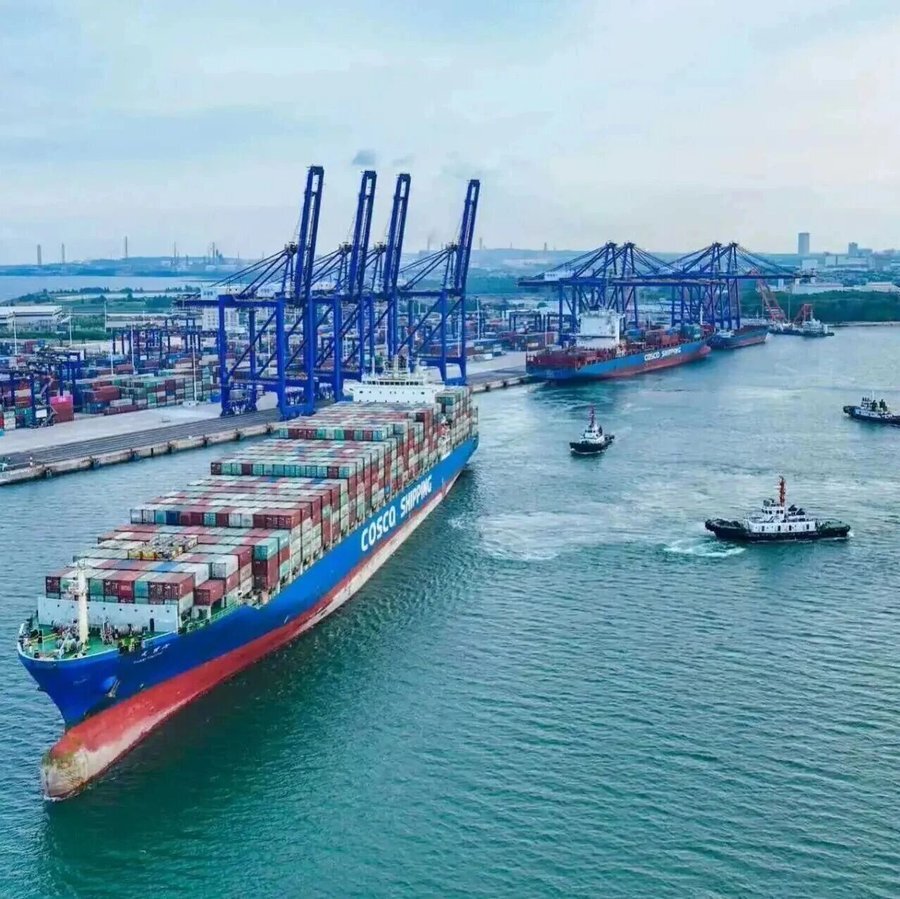
A Nigerian shipment of 252 metric tons of palm kernel shell activated carbon becomes the first cargo to enter the Hainan Free Trade Port under China’s newly expanded zero-tariff policy for African imports.
Haikou Customs confirmed on Wednesday that the consignment was the first to receive duty-free treatment since the new trade measure took effect on May 1, 2026.
The policy extends tariff-free access to goods imported from all 53 African countries that maintain diplomatic relations with China. The initiative is expected to strengthen trade between China and Africa by improving market access for African products, supporting industrial development and helping exporters navigate an increasingly protectionist global trading environment.
The expanded arrangement broadens China’s preferential market access for African exports. While 33 African countries classified as least developed nations have enjoyed duty-free treatment on all tariff lines since December 2024, the latest policy now covers the remaining 20 African countries through a preferential tariff scheme that will remain in force for an initial two-year period.
Chinese officials said the temporary arrangement is intended to facilitate negotiations on the proposed China-Africa Economic Partnership for Shared Development agreement. Once finalized, the agreement is expected to establish permanent institutional backing for the zero-tariff framework.
According to China’s Ministry of Commerce, the policy is designed not only to increase imports from Africa but also to stimulate greater investment in the continent’s manufacturing sector. By encouraging the flow of capital, modern technology, production equipment and management expertise, the initiative aims to expand local processing of African raw materials and increase the export of value-added products.
Officials believe the approach will contribute to a more balanced and sustainable trading relationship while creating new opportunities for African economies to move further up global value chains.
The development comes as economic ties between China and Africa continue to deepen. Data from China’s General Administration of Customs show that two-way trade reached an all-time high of 348 billion U.S. dollars in 2025. During the same period, Chinese imports from African countries rose by 5.4 percent year-on-year to 123 billion U.S. dollars, reflecting sustained growth in commercial exchanges between both sides.
The successful entry of the Nigerian shipment into the Hainan Free Trade Port is expected to encourage more African exporters to take advantage of the expanded duty-free access, opening new opportunities for trade, investment and industrial cooperation.


Group Lists Tinubu’s Achievements, Reaffirms Support For Renewed Hope Agenda

Group Rallies Support for Tinubu’s Renewed Hope Agenda, Lauds Gbajabiamila

APC North-West Begins 2027 Mobilisation to Boost Support for Tinubu
-
 News12 hours ago
Gov. Ododo Urges Nigerians in Diaspora to Support Tinubu’s Reforms, Invest in Kogi
-

 News12 hours ago
PAAU Launches Solar-Powered Campus Tricycle Shuttle Service in Anyigba
-

 News12 hours ago
Kano Assembly Begins Four-Day Legislative Retreat to Strengthen Governance
-

 News12 hours ago
Gwamna Scholarship Beneficiaries Back 2027 Governorship Bid, Pledge Support
-

 News12 hours ago
ACF Mourns Former Minister Abubakar Alhaji, Pays Tribute to Sardaunan Sokoto
-

 News7 hours ago
AONDOAKAA: THE MAN WHO KEEPS SURVIVING STORMS
-

 News12 hours ago
Delta Government Rejects Political Violence Claims Over Attack on Governor’s Aide
-

 News5 hours ago
APC’s Substitution Storm: Can the ruling party survives the legal fireworks?
You must be logged in to post a comment Login