
By Daniel Edu
Oil marketers are maintaining their stance on a potential hike in the pump price of Premium Motor Spirit (PMS), commonly known as petrol, due to a further decline in the value of the Nigerian naira against the US dollar.
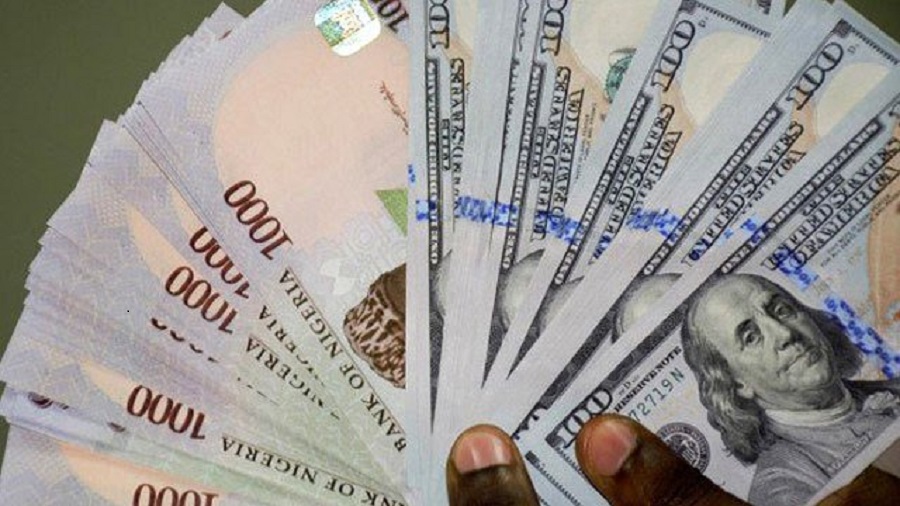
The local currency’s value dropped against the US dollar on the black market from 900/dollar on Wednesday to 920/dollar on Thursday, raising concerns about the sustainability of the current petrol price.
Oil dealers and marketers are indicating that with the exchange rate at 920/$, the current pump price of petrol at 617/litre might not be feasible. They suggest that the cost could rise to around 680-700/litre for PMS, based on the prevailing exchange rate.
These projections imply that the government might be subsidizing petrol by about 90-95 naira per litre due to the naira’s depreciation against the dollar.
Last week, the Nigerian Midstream and Downstream Petroleum Regulatory Authority revealed that Nigeria’s daily petrol consumption was around 52 million litres, suggesting a potential monthly fuel subsidy cost of about 153 billion naira.
While oil marketers are suggesting a potential price increase, the Federal Government has expressed its commitment to maintaining the current pump price. The Nigerian National Petroleum Corporation (NNPC) and its downstream subsidiary, NNPC Retail, have both stated that there are no plans to raise petrol prices.
However, some experts in the oil and gas sector suggest that if the naira’s decline against the dollar continues, the government might be compelled to reintroduce fuel subsidies to manage rising costs.
In response to the situation, various voices, including the Nigeria Labour Congress (NLC) and the Trade Union Congress (TUC), have expressed concerns about potential price hikes and called for government intervention.
At the same time, the Central Bank of Nigeria is working to stabilize the naira’s value, with efforts to curb any excessive decline against the US dollar.
In light of these developments, there is growing debate about the future of fuel prices in Nigeria, with various stakeholders expressing different viewpoints on how the situation should be addressed.