
A resurgence of military coups in parts of Africa has reversed years of democratic gains and raised fresh concerns about governance and stability across the continent.Since 2020, several countries in West and Central Africa, including Mali, Guinea, Burkina Faso and Niger, have experienced military takeovers or attempted coups. Analysts link the trend to growing public frustration with economic hardship, insecurity and weak institutions.
In many affected countries, citizens face rising unemployment, inflation and persistent violence from armed groups. Critics say elected governments have struggled to deliver security and economic opportunities, leading to what some observers describe as “democratic fatigue”.
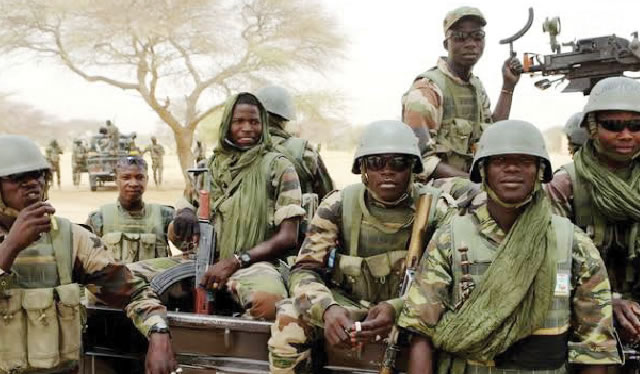
Coups have often been justified by military leaders as responses to insecurity, particularly in the Sahel where jihadist violence has expanded. However, regional bodies such as the Economic Community of West African States (ECOWAS) and the African Union have repeatedly condemned unconstitutional changes of government and imposed sanctions.
Some researchers warn of a “coup trap”, where one takeover increases the likelihood of future instability. A 2021 analysis by researcher Sean M. Zeigler on the RAND Blog noted that coups can weaken legitimacy and create conditions for further power struggles rather than long-term stability.
Observers also point to fragile institutions and personalised political power as factors that make military intervention easier. Courts, parliaments and electoral bodies in several states are seen as lacking independence.
While some citizens initially welcome military rule, experts caution that durable stability depends on accountable civilian governance, strong institutions and inclusive economic growth, rather than repeated interventions by armed forces.