
Business and Economy
Tinubu Invites China to Partner with Nigeria on Geophysical Data to Boost Blue Economy

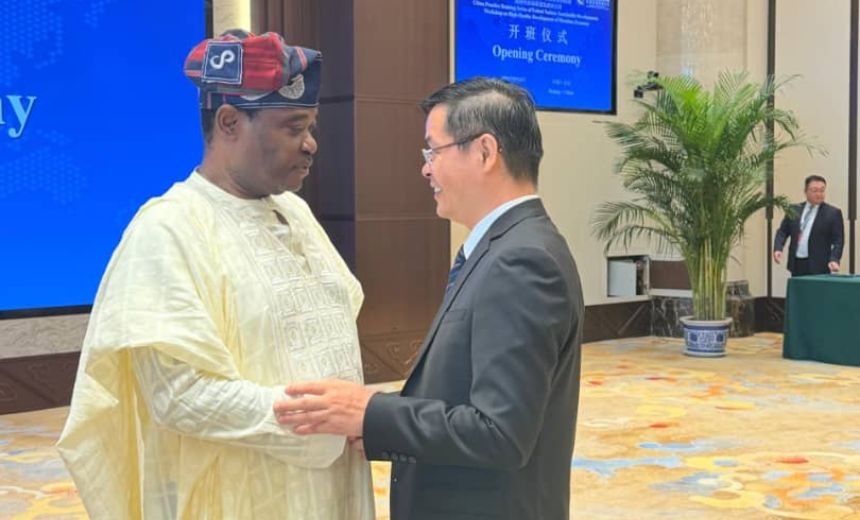
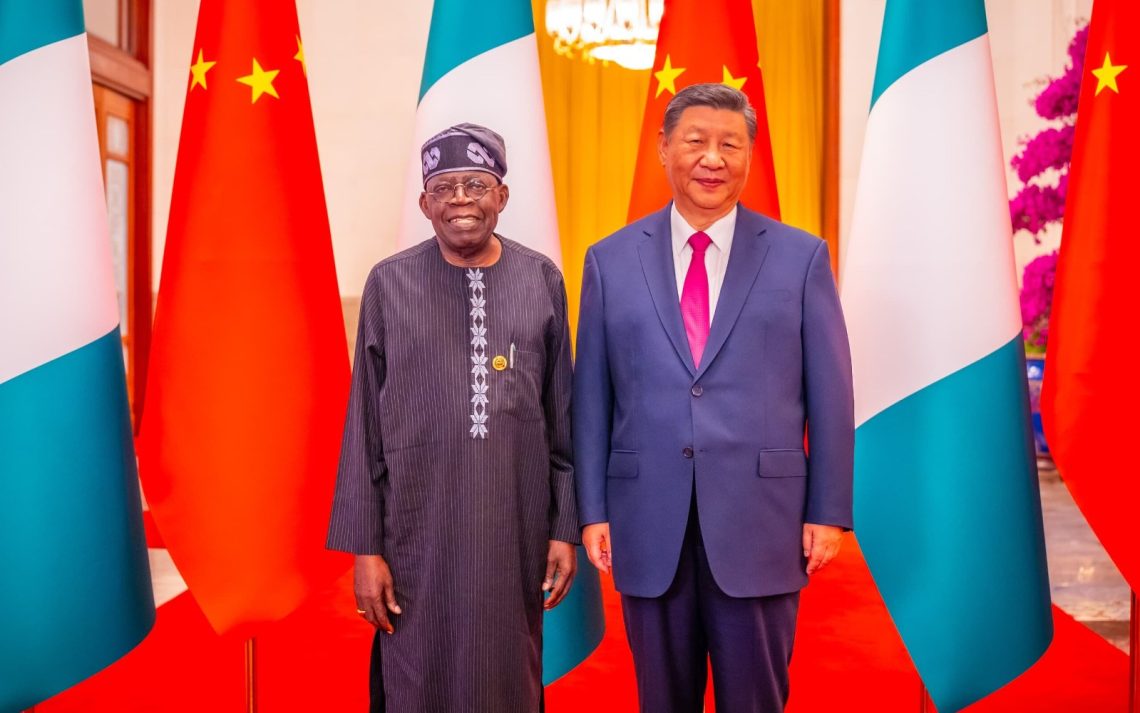
President Bola Ahmed Tinubu has invited the People’s Republic of China to partner with Nigeria through the sharing of geophysical data, advanced technology and technical expertise, rather than financial aid, as part of efforts to unlock the country’s vast marine resources and drive sustainable economic growth.
The invitation was conveyed by Nigeria’s Permanent Representative to the United Nations, Ambassador Jimoh Ibrahim, during a keynote address at the United Nations Sustainable Development Workshop on High-quality Development of the Marine Economy in Beijing. The workshop was held at the invitation of the Permanent Mission of China to the United Nations.
Speaking on behalf of President Tinubu, Ambassador Ibrahim commended China for its remarkable leadership in developing the global marine and blue economy, describing the Asian nation as a model of innovation and strategic investment in maritime development.
He reaffirmed Nigeria’s determination to emerge as one of the world’s leading blue economy nations, noting that the Tinubu administration had already laid the foundation for achieving that goal through the establishment of the Federal Ministry of Marine and Blue Economy.
According to Ibrahim, the creation of the ministry underscores the government’s recognition of the oceans as the next frontier for wealth creation, economic diversification and sustainable national development.
He stressed that the future of global prosperity lies beneath the oceans, urging nations to look beyond traditional economic indicators and embrace the immense opportunities presented by the blue economy.
The envoy explained that Nigeria’s priority is not financial assistance but strategic cooperation with China through access to geophysical and nautical data, technology transfer, innovation and investment that would enable the country to fully harness the economic potential of its marine resources.
“The hidden treasure that comes with it (ocean) calls for collective action to shift the narrative from poverty to prosperity,” Ibrahim said, adding that President Tinubu was extending an open invitation to China to deepen collaboration in the blue economy for the benefit of Nigeria, Africa and the wider global community.
He further called for stronger international cooperation to address pressing challenges confronting the marine sector, including climate change, weak cross-border governance and the unsustainable exploitation of ocean resources.
Despite these challenges, Ibrahim maintained that they should not deter countries from tapping into what he described as the “ocean of prosperity,” urging governments, development institutions and private sector stakeholders to work together in unlocking the sector’s enormous economic potential.
The ambassador also urged the international community to move beyond policy discussions and embrace practical solutions by leveraging innovation, artificial intelligence, circular economy models and data-driven approaches to ensure sustainable development of the blue economy.
In addition, he proposed that the International Monetary Fund (IMF) establish a zero-interest financing window for member states seeking to develop their blue economy sectors, arguing that such a facility would provide the financial support needed to accelerate investments in marine infrastructure and unlock new opportunities for economic growth.
Reaffirming Nigeria’s commitment to deeper cooperation with China and other global partners, Ibrahim said President Tinubu remains committed to building a strategic partnership anchored on knowledge sharing, innovation and sustainable development rather than dependence on aid.







Business and Economy
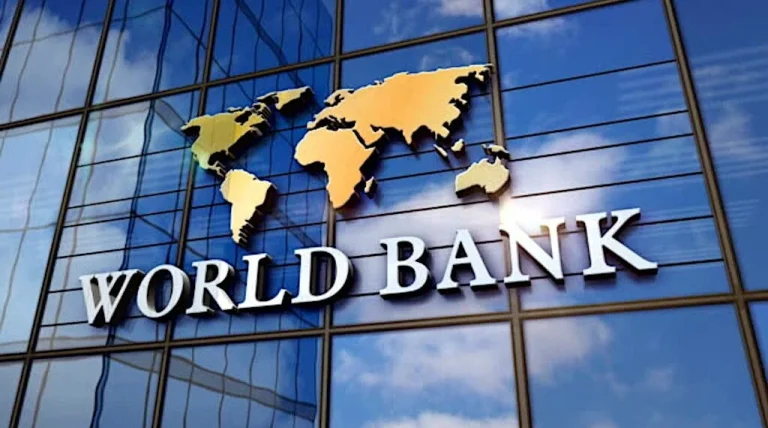
World Bank Urges Developing Nations to Adopt AI for Growth and Better Governance

By Abigail David
The World Bank has urged developing countries to embrace artificial intelligence (AI), saying the technology offers a major opportunity to improve public services, strengthen governance and boost economic growth. The warning came as the organisation launched its latest World Development Report on Tuesday.
According to the World Bank’s Chief Economist, Indermit Gill, developing economies do not need expensive AI models or massive data centres to benefit from the technology. Instead, they can adapt affordable AI solutions to improve healthcare, education, agriculture and justice systems.
The report says AI could help developing countries recover from years of weak economic growth by expanding access to essential services and improving productivity. It recommends investing in reliable electricity, computing infrastructure and locally relevant data to support AI adoption.
The World Bank also highlighted practical examples, including AI-powered diabetes screening in Bangladesh and advanced weather forecasting tools that help reduce costs for farmers in India. It noted that AI solutions should be designed to suit local needs, including voice-based services for people without smartphones or literacy skills.
However, the report cautioned that AI also presents risks. Without proper safeguards, it could widen inequality, reduce trust in public institutions, increase market concentration and threaten privacy. It also warned that AI could eventually replace some middle-income jobs if governments fail to prepare workers for the changing economy.
By Abigail David
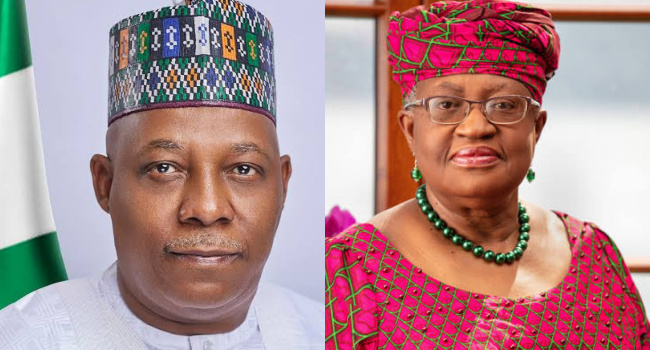
Vice President Kashim Shettima and the Director-General of the World Trade Organization (WTO), Dr. Ngozi Okonjo-Iweala, are among the dignitaries attending the Delta State Economic and Investment Summit in Asaba.
The summit has drawn local and international investors, including delegations from Brazil and China, alongside business leaders, development partners and government officials.
Held under the theme, “Harnessing Our Strengths, Unlocking Our Potentials,” the event is showcasing investment opportunities across key sectors, including the state’s special economic zone, blue economy, transport infrastructure, digital economy, innovation, agriculture, solid minerals, mining and the energy sector.
The Delta State Government, led by Governor Sheriff Oborevwori, said the summit is aimed at strengthening investor confidence, promoting economic growth and fostering strategic partnerships that will support the state’s development agenda.
Pan-African scholar, Professor Patrick Lumumba, is delivering the keynote address, while other government leaders and industry stakeholders are participating in discussions on investment and sustainable development.
According to the state government, Delta’s economy recorded an estimated Gross Domestic Product (GDP) of about ₦16.97 trillion in 2024, with a significant contribution from non-oil sectors, highlighting efforts to diversify the state’s economy.

By Abigail David
About 78 Ministries, Departments and Agencies (MDAs) of the Federal Government have allocated nearly N400 billion in the 2026 budget for community-based projects, including the construction and renovation of mosques, traditional rulers’ palaces, community halls, village market squares and civic centres, according to findings by The Press.
The report indicates that more than half of the allocation is earmarked for projects such as the supply of grains, motorcycles and tricycles, support for community thrift societies, mini-stadia and museums.
Several federal institutions, including the Ministry of Defence, the Nigerian Air Force, the Federal Ministry of Information and National Orientation, the Federal Ministry of Industry, Trade and Investment, the National Building and Road Research Institute and the National Productivity Centre, were listed among agencies with such budget provisions.
Some of the projects identified include the construction of traditional rulers’ palaces, community halls, market stalls, international markets, mosques and abattoirs in different states. The report also highlighted budget items that analysts say appear unrelated to the statutory responsibilities of some of the affected agencies.
Economic and public finance experts have questioned the allocations, arguing that scarce public funds should prioritise sectors such as healthcare, education, security, power and transport infrastructure, which they say could deliver broader economic and social benefits.
A consultant economist and former central banker, Chukwunonso Ihuma, attributed the situation to weak budget oversight, alleging that projects unrelated to agency mandates are often introduced during the appropriation process. He called for stricter budget scrutiny and greater adherence to zero-based budgeting principles.
Similarly, the Chief Executive Officer of the Centre for the Promotion of Private Enterprise, Dr. Muda Yusuf, urged more realistic budgeting and stronger fiscal discipline, noting that Nigeria is still implementing parts of the 2025 budget while planning for 2026.
The 2026 Appropriation Act, signed into law by President Bola Tinubu, provides for total spending of N68.32 trillion. The budget assumes N36.87 trillion in revenue, with the remaining funding expected to come largely through borrowing.


World Bank Urges Developing Nations to Adopt AI for Growth and Better Governance

Why accident victims beg for water—and why you shouldn’t give it to them, according to a nurse

Wike Says Rivers Crisis Ended Fubara’s Second-Term Ambition
-

 News12 hours ago
Nigeria Police Academy WhatsApp Channel Surpasses 50,000 Subscribers, Tops Security Agencies’ Digital Platforms
-
 News11 hours ago
Ogobiri Youths Seek Stronger Police Partnership to Enhance Community Security
-
Uncategorized23 hours ago
DSS Compensation Initiative Sets Standard for Security Agencies – Dantani
-

 News11 hours ago
Okonjo-Iweala Urges Delta State to Build Globally Competitive Investment Economy
-

 Opinion11 hours ago
Understanding the Rationale Behind New Guidelines for Hajj and Umrah Private Tour Operators
-
 News11 hours ago
FG Plans Multipurpose Dam to Improve Water Supply, Agriculture in Plateau Communities
-
 News11 hours ago
Shettima, Soludo Back Oborevwori’s Investment Drive at Delta Economic Summit
-

 Uncategorized12 hours ago
Gov. Kefas Signs Executive Orders to Combat Drug Abuse, Political Thuggery and Environmental Crimes
You must be logged in to post a comment Login