
News
ACF Leadership Dispute Deepens as Faction Warns Banks Over ₦3.88 Billion Fund


By Achadu Gabriel, Kaduna
The leadership dispute within the Arewa Consultative Forum (ACF) has intensified, with one faction warning financial institutions and individuals against what it described as unauthorized dealings involving about ₦3.88 billion belonging to the organisation. The warning was contained in a statement issued on Tuesday by the faction’s National Publicity Secretary, Prof. Tukur Mohammad-Baba, following a meeting it identified as that of the ACF National Executive Committee (NEC).
According to the statement, the faction expressed concern that the funds remain in a bank account earning an interest rate it described as low, despite claims that higher returns are available elsewhere. It warned that the organisation would pursue legal action against any institution or individual found to have improperly handled its funds.
Mohammad-Baba also maintained that the ACF’s NEC and National Working Committee (NWC) remain the recognised leadership organs under the forum’s constitution. He disputed the legitimacy of an online meeting reportedly held by some state chairmen and secretaries, arguing that such a body is not recognised by the ACF constitution.
The statement further questioned the inauguration of an Endowment Fund Management Committee by Alhaji Bashir Dalhatu, whom the faction said was suspended in May 2026 over allegations of misconduct. Those allegations have not been independently verified.
Responding, Mallam Burka Zarma, speaking for the opposing faction, rejected Mohammad-Baba’s claims and defended the legitimacy of the group’s actions. He also disputed assertions regarding membership of the organisation, saying the ACF constitution recognises any Northerner who registers with the forum. The dispute reflects the continuing leadership crisis within the ACF, with both factions maintaining competing claims over the organisation’s leadership and governance.



By Michael Onjewu, Beijing
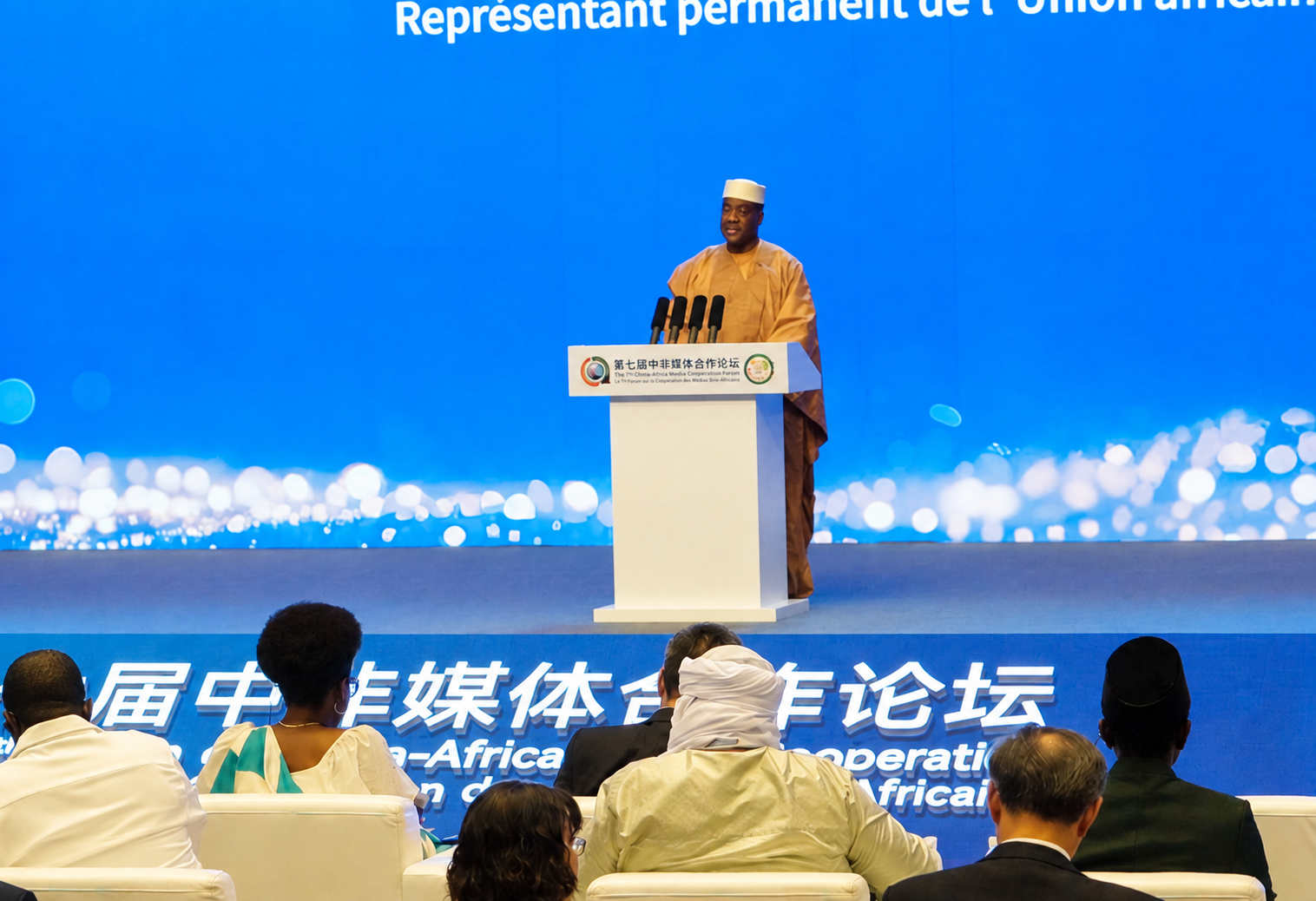
The African Union and the United Nations have called for deeper cooperation in the media and creative industries, saying stronger collaboration in content production, technology, professional exchanges and youth development can drive economic growth and strengthen people-to-people relations between Africa and China.
The call was made on Thursday at the opening ceremony of the 7th China-Africa Media Cooperation Forum in Beijing, attended by Chinese officials, African information ministers, journalists, media practitioners and members of the diplomatic community.
The forum, themed “Share Development Opportunities, Shape the Audio-Visual Future,” focuses on content innovation, cultural cooperation and technological development.
Speaking at the event, the African Union’s Permanent Representative to China, Alhaji Mohamed Sarjoh Bah, said the next phase of Africa-China media cooperation should focus on transforming the creative industries into engines of economic development, harnessing digital technology and artificial intelligence responsibly, and investing in human capital.
Bah said Africa’s creative industries should be treated as strategic sectors capable of creating jobs, attracting investment and stimulating innovation.
“Throughout history, stories have shaped civilisation. Today, the creative industries possess the power to connect cultures, create jobs, stimulate innovation and expand economic opportunity,” he said.
He urged Africa and China to move beyond traditional content exchanges and develop integrated value chains covering film production, broadcasting, animation, gaming, digital content and cultural entrepreneurship.
Bah also called for greater African ownership of the continent’s narratives, saying African stories should reflect its diversity, achievements, aspirations and realities.
“For too long, Africa has been viewed through lenses that do not reflect the aspirations, achievements and the realities of its people,” he said.
On technology, Bah urged both sides to harness artificial intelligence, big data, cloud computing and next-generation communication platforms while ensuring that innovation remains inclusive, ethical and people-centred.
“As we embrace artificial intelligence and emerging technologies, we must ensure they are guided by the principles of inclusivity, fairness, transparency and accountability,” the envoy said.
He called for stronger scholarship opportunities, collaboration among universities and research institutions, and mechanisms for knowledge transfer and skills development, describing Africa’s youthful population as a major strategic advantage.
“At the African Union, we firmly believe that empowering our youth is not merely a policy choice; it is a strategic necessity,” Bah said.
He urged the media to become a transformative force for development, solidarity and peace, rather than merely reflecting Africa-China relations.
UN Under-Secretary-General and Special Adviser on Africa, Ahunna Eziakonwa, said media professionals had a critical role in changing how Africa is perceived globally.
“Africa today is not a continent of scarcity. It is resource rich, it is idea rich, and above all, it is young,” she said.
Eziakonwa noted that by 2050, one in every four people globally would be African, with most under the age of 30. She said the continent’s young population was already creating, streaming and distributing content on a scale attracting growing global attention.
She cited Nollywood, Nairobi’s animation industry and productions emerging through Chinese partnerships as expressions of Africa’s creative economy and promising avenues for jobs, services trade and cultural exchange.
Eziakonwa urged African and Chinese broadcasters to co-create rather than merely transmit content, while encouraging young filmmakers to train together and apply technologies such as artificial intelligence to African languages and contexts.
“When African broadcasters and Chinese counterparts co-create rather than merely transmit, when young filmmakers train together, when new technologies, including artificial intelligence, are put to work in African languages and African contexts, we’re not simply exchanging content,” she said.
She noted that such cooperation represented an investment in Africa’s “narrative sovereignty” and the aspirations of Agenda 2063.
Delivering the keynote address, Cao Shumin, Deputy Head of the Publicity Department of the Communist Party of China Central Committee and Minister of the National Radio and Television Administration, called for stronger two-way media cooperation between China and Africa.
Cao said China-Africa media cooperation had developed over the years and contributed to advancing people-to-people bonds through high-quality content.
She called for greater two-way screening and content exchange, as well as stronger focus on technological development and the use of emerging technologies to improve media production.
Cao also urged China and Africa to consolidate their friendship through high-quality and more efficient media content, while expanding exchange programmes for journalists, broadcasters, producers and other media professionals.
She advocated regular professional exchanges to build stronger networks and create opportunities for long-term cooperation.
Cao noted that China and Africa had already co-produced a number of audiovisual contents and called for the partnership to expand into new areas, including artificial intelligence and AI-generated content, as both sides pursue common development.
The 7th China-Africa Media Cooperation Forum also features the China-Africa Audio-Visual Programme Exchange, the China-Africa Audio-Visual Youth Cooperation Initiative and a China visit programme for African media practitioners.
The activities are expected to strengthen professional exchanges, content cooperation and interaction among young media practitioners while using radio, television and audiovisual media to deepen China-Africa people-to-people ties and support economic and trade development.
Business and Economy
Julius Berger recommits to enduring quality as Buguma-Degema-Abonnema Road is commissioned

Julius Berger Nigeria Plc has reaffirmed its commitment to delivering infrastructure of enduring quality following the commissioning of the reconstructed Buguma-Abalama-Tema-Degema-Abonnema Road in Rivers State.
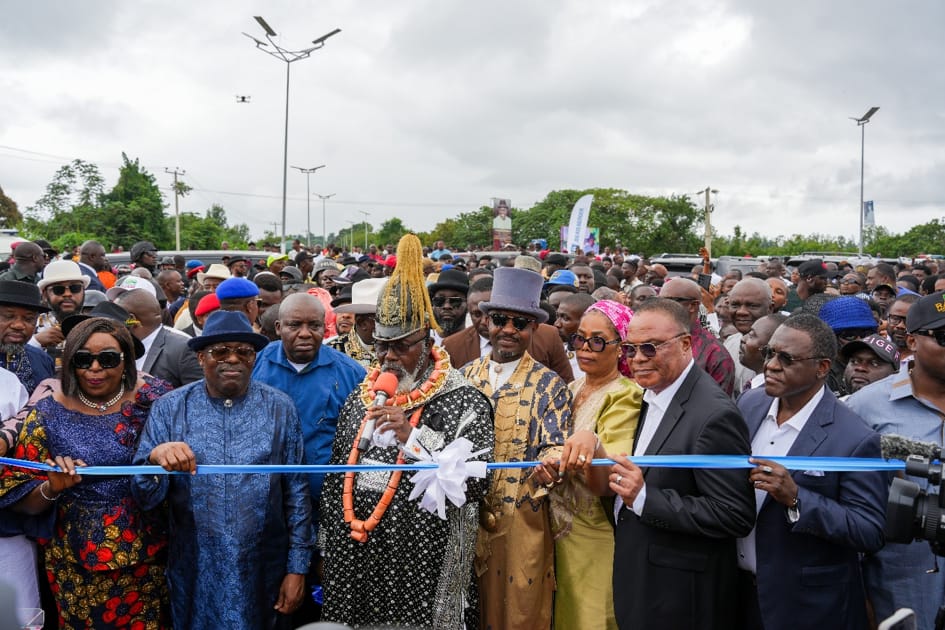
The landmark road project, which traverses the Asari-Toru, Degema and Akuku-Toru Local Government Areas, was formally commissioned on Monday amid jubilant celebrations by residents, traditional rulers, community leaders, government officials and other stakeholders, who turned out in large numbers to witness the historic event.
The atmosphere was reminiscent of a carnival as cultural groups dressed in colourful attire entertained guests with traditional music and dance performances. Cheers, singing and displays of gratitude echoed across the communities along the corridor as residents celebrated a project many described as transformative for the economic and social life of the area.
The commissioning was performed by the Amanyanabo and Paramount Ruler of Abonnema, His Royal Majesty King Dr. Disreal Gbobo Bob-Manuel II, marking the official opening of the vital transport link that is expected to significantly improve mobility, trade and access to economic opportunities across the region.
Speaking at the ceremony, the Director, Administration of Julius Berger Nigeria Plc, Dr. Abdulazziz Kaita, described the project as another demonstration of the company’s unwavering commitment to infrastructure development and engineering excellence.
“This project represents a significant contribution to the Rivers State Government’s infrastructure development agenda and will greatly enhance accessibility and connectivity among communities within the three local government areas,” Kaita said.
He noted that the successful completion of the road was achieved despite the exceptional circumstances surrounding the six-month period of Emergency Rule in Rivers State.
“The successful delivery of this project reflects the commitment, professionalism and efficiency of Julius Berger Nigeria Plc as a longstanding stakeholder and trusted partner in the infrastructural development of Rivers State,” he stated.
Reaffirming the company’s commitment to quality and sustainability, Kaita emphasized that Julius Berger remains focused on building infrastructure that delivers lasting value to communities.
“Over the years, Julius Berger has remained committed to delivering projects of enduring quality, applying the highest engineering standards and deploying the technical expertise and resources required to meet the expectations of our clients and the communities we serve,” he said.
Expressing confidence in the impact of the project, Kaita added: “We are confident that this road will enhance connectivity among the beneficiary communities, improve accessibility, stimulate economic activities and contribute positively to the overall development of Rivers State.”
According to him, Julius Berger remains proud to be associated with the state’s growth and development journey.
“Julius Berger Nigeria Plc remains proud to be associated with the development of Rivers State and remains committed to delivering sustainable infrastructure of the highest quality,” he said.
Governor Siminalayi Fubara, who attended the commissioning, commended Julius Berger for executing the project to the required standards and expressed appreciation to the host communities for their cooperation throughout the construction period.
Addressing the gathering, the governor highlighted the strategic importance of the road corridor and the transformative impact it will have on commerce and security in the area.
“This road is a critical gateway for the Abalama people and neighbouring communities. In the past, several challenges existed along this corridor, but today those concerns are being addressed. Goods and services can now move more freely, businesses can thrive, and our people can pursue opportunities that will improve livelihoods and positively impact their lives. I am truly delight
By Aga Samuel Imoter, Jalingo
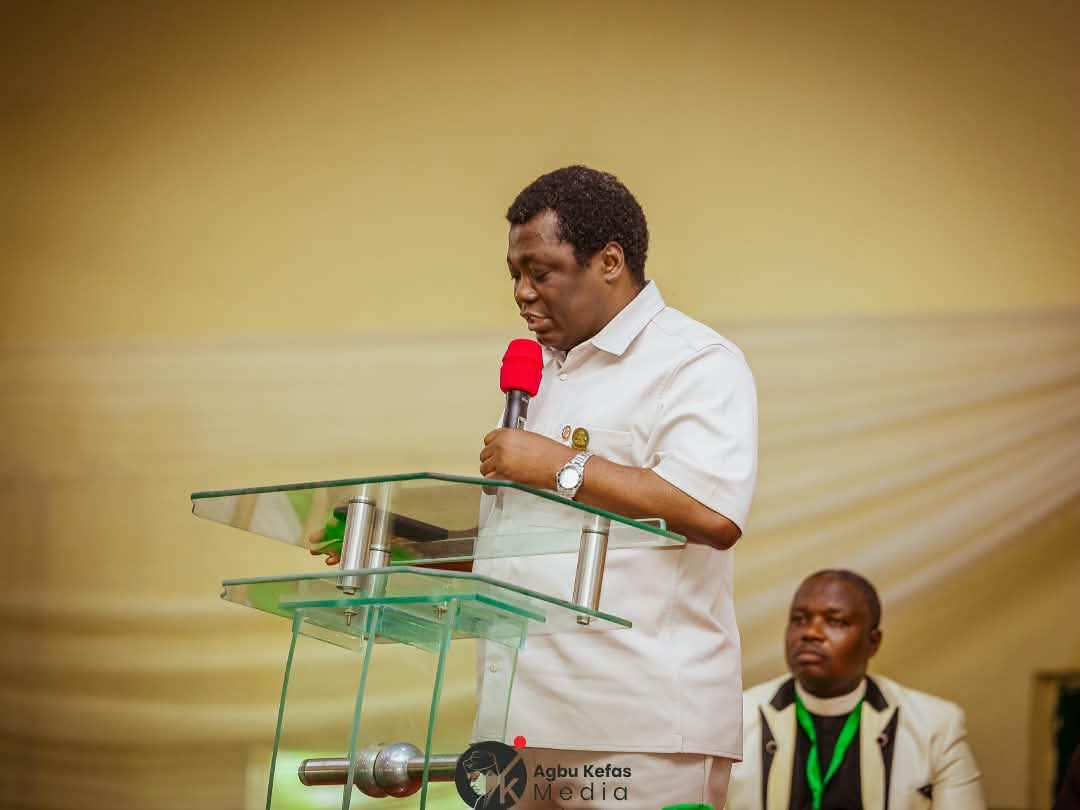
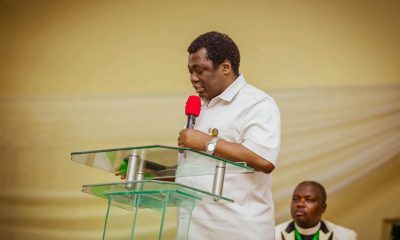
Taraba State Governor Agbu Kefas has urged Christian leaders to defend truth, speak to political authorities when necessary and promote peace and moral values amid the social, economic and security challenges facing the country. Kefas made the call on Wednesday, August 19, 2026, while addressing participants at the Ministers’ Conference organised by the Christian Association of Nigeria (CAN), Taraba State Chapter, in Jalingo.
The conference, themed “The Church and the State: Partners in God’s Plan in a Changing World,” brought together Christian ministers and leaders to discuss the role of the Church in nation-building, peacebuilding and good governance. The governor said government and the Church have distinct constitutional and spiritual responsibilities but could collaborate in areas that promote peace, development and social stability.
He urged Christian leaders to uphold truth, compassion, justice and moral discipline while advising political authorities without allowing partisan interests to compromise the Church’s independence. “The Church must not become an extension of any political party,” Kefas said, urging ministers to provide constructive guidance and resist divisions based on politics, ethnicity or personal interests.
Kefas also called on religious leaders to use their platforms to discourage corruption, drug abuse, violence, hatred and injustice, while encouraging young people to pursue legitimate opportunities. He assured residents that his administration would continue to promote fairness, justice and peaceful coexistence while protecting citizens’ rights and freedom of worship.
The governor also expressed readiness to deepen collaboration with religious institutions in education, peacebuilding, community development and efforts to address drug abuse. He appealed to citizens and religious leaders to embrace unity and forgiveness, saying the development of Taraba required collective responsibility.


AU, UN Seek Deeper Media Cooperation to Drive Africa-China Growth
Julius Berger recommits to enduring quality as Buguma-Degema-Abonnema Road is commissioned

ADP Presidential Candidate Aliyu Bin Abbas Signs National Peace Accord
-
News19 hours ago
24 Bandits Killed As Army, DSS, Vigilantes Foil Mass Kidnap in Katsina Community, Rescue Victims
-
News20 hours ago
KADSG Faults ADC Guber Candidate’s Criticism, Defends Sani’s Education Funding Records
-
 News13 hours ago
Middle Belt Forum Says 2031 Presidency Should Return to Region
-
 News13 hours ago
Jigawa Governor Namadi Deserves More Recognition, Says Dr Hafiz Muktar
-
 News13 hours ago
Kefas Urges Church Leaders to Defend Truth and Promote Peace in Taraba
-

 News13 hours ago
Benue Assembly Elects Peter Ipusu as New Majority Leader
-
 News13 hours ago
Kaduna Police to Hold Three-Day Youth Engagement Programme on Crime and Drug Abuse
-
 Uncategorized8 hours ago
ADP Presidential Candidate Aliyu Bin Abbas Signs National Peace Accord
You must be logged in to post a comment Login