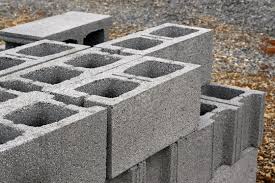

Rising cement prices, now exceeding ₦11,000 per bag, are forcing a rethink in Nigeria’s building sector, with growing attention on mud construction as a cheaper and climate-friendly alternative.
The sharp increase in construction costs has slowed housing projects and pushed home ownership further out of reach for many Nigerians. In response, builders and communities are revisiting traditional earth-based methods that rely on locally available materials.
Mud construction involves more than basic soil use. It typically combines site-excavated earth with natural additives such as straw or rice husk to improve strength and durability. Unlike cement, which depends on industrial production and supply chains, mud is readily available and reduces transportation and material costs.
Experts note that mud structures offer thermal advantages, particularly in hot climates. Thick earth walls absorb and release heat slowly, helping to maintain cooler indoor temperatures during the day and warmth at night. Roofing designs and ventilation further enhance comfort.
Contrary to common perception, properly built mud houses can be structurally sound. Traditional techniques, including raised foundations and extended roofs, help protect against rain and erosion. However, regular maintenance, such as replastering, is required to preserve durability.
Despite its benefits, mud construction faces challenges, including vulnerability to water damage, lack of standardisation, and negative public perception, especially in urban areas.
While not a complete replacement for cement, experts say integrating earth-based methods with modern materials could significantly cut building costs and expand access to affordable housing.