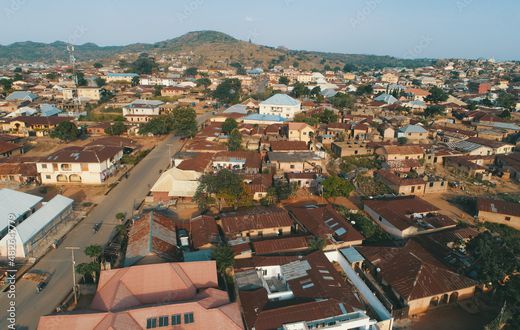

Northern Nigeria is a region rich in history, culture, and natural beauty, offering travelers an experience that is both unique and rewarding. From the bustling trade city of Kano to the tranquil hills of Jos, and from the historic walls of Zaria to the desert fringes of Sokoto, the North presents a side of Nigeria that is often misunderstood yet deeply fascinating. If you are planning a trip to this part of the country, here are some important things to know before you go.
1. Respect for Culture and Traditions
Northern Nigeria is predominantly Muslim, and religion influences everyday life, social interactions, and even governance. Modesty in dressing is expected, especially in conservative cities like Kano, Katsina, Sokoto, and Maiduguri. Women are encouraged to wear outfits that cover their arms, shoulders, and knees, while men should avoid overly casual or revealing clothing.
Greetings carry great significance. It is customary to greet elders first and often with both hands or a slight bow of the head as a mark of respect. Public displays of affection are discouraged, and during prayer times (especially Fridays), many businesses and streets may briefly close. Respecting these customs not only avoids misunderstandings but also earns visitors genuine warmth and acceptance from locals.
2. A Bold and Unique Food Scene
Food in the North is more than just sustenance—it is an expression of hospitality and identity. Street vendors and local kitchens serve delights like:
- Suya: grilled spicy beef skewers, often enjoyed with onions and pepper.
- Masa/Waina: fluffy rice cakes served with rich stews or soups.
- Tuwo Shinkafa: soft rice pudding typically eaten with groundnut or miyan kuka soup.
- Fura da Nono: a refreshing blend of fermented milk and millet balls, a favorite across the Sahel.
Sharing meals is seen as a gesture of friendship. If you are offered food during a visit, it is polite to accept, even if just a little. Meals are often eaten by hand from a communal bowl, so washing hands before and after is part of the ritual.
3. Security Awareness Is Essential
The North is vast, diverse, and beautiful, but some areas face security challenges linked to insurgency, banditry, or communal clashes. Before traveling, consult reliable sources, check updates from the Nigerian Tourism Development Authority, or follow local news outlets. Focus on well-visited cities like Jos, Kano, Kaduna, and Bauchi (home to Yankari Game Reserve).
When possible, move with trusted local guides who understand the terrain. Avoid traveling at night in remote areas and keep personal belongings secure in busy markets. With the right precautions, you can explore safely and enjoy all the region has to offer.
4. Extreme but Diverse Weather
The climate in Northern Nigeria can be unpredictable and extreme.
- Harmattan Season (November–February): Dry, dusty winds sweep from the Sahara, reducing visibility and causing skin dryness, cracked lips, and cold nights.
- Hot Season (March–June): States like Sokoto, Katsina, and Yobe can experience blistering heat, often exceeding 40°C during the day.
- Cool Highlands: Plateau State (Jos) and parts of Taraba provide cooler, temperate weather and are often seen as a refreshing escape from the intense heat elsewhere.
Pack accordingly—light cotton clothes, a hat, sunscreen, water bottles, and moisturizing lotion are essentials. If visiting during Harmattan, lip balm and warm night clothes are also advisable.
5. Language as a Bridge
While English is the official language, Hausa dominates communication across most of the North. Picking up a few basic phrases can transform your experience:
- “Sannu” – Hello
- “Nagode” – Thank you
- “Ina kwana?” – Good morning
- “Lafiya?” – Are you well?
Locals deeply appreciate when visitors make the effort to speak Hausa, even if imperfectly. It often sparks laughter, warmth, and instant friendships. In some rural communities, Hausa may be the only spoken language, so learning key words is more than just polite—it can make navigating the region much easier.
6. Rich Heritage and Attractions
Northern Nigeria is home to some of the country’s oldest and most fascinating landmarks:
- Kano City Walls and Emir’s Palace – a glimpse into centuries-old Hausa architecture.
- Durbar Festival (Kano, Katsina, Zaria): Colorful horse parades and royal displays marking Muslim festivals like Eid.
- Yankari Game Reserve (Bauchi): A premier safari destination with elephants, baboons, and natural warm springs.
- Jos Plateau: Scenic hills, waterfalls, and cool weather ideal for hiking and picnics.
- Gidan Makama Museum, Kano: Preserves pre-colonial artifacts and history.
These cultural and natural treasures reflect the North’s diversity and resilience.
7. Hospitality and Social Life
Northerners are known for their hospitality. Visitors are often welcomed with tea (shayi), kola nuts, or light snacks. Marketplaces are lively social hubs, filled with colors, sounds, and aromas. Bargaining is common, so don’t shy away from negotiating prices with a smile.
Friday prayers, weddings, and festivals often spill into public life, showcasing traditional music, drumming, and dances. If invited to join, it is considered a sign of respect and honor.
Final Thoughts
Northern Nigeria is a region of contrasts—ancient yet modern, traditional yet dynamic, challenging yet rewarding. A trip there requires cultural sensitivity, security awareness, and preparation, but the payoff is immense: breathtaking landscapes, unforgettable cuisine, historic architecture, and warm human connections.
With an open mind and a respectful approach, your visit to the North will not only broaden your understanding of Nigeria but also leave you with memories and friendships that last a lifetime.